Common Mistakes to Avoid During a Metal Fabrication Project
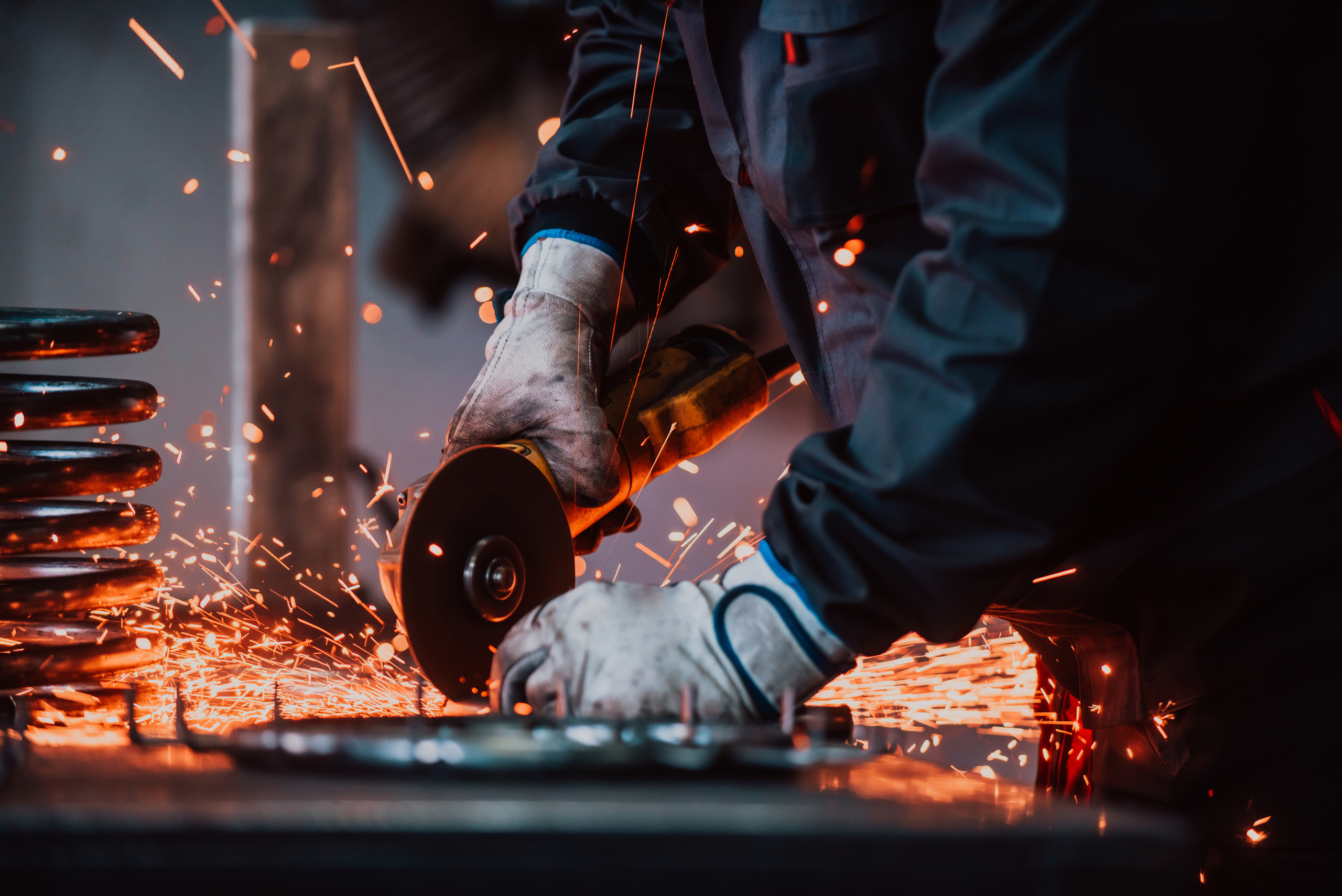
Metal fabrication is a critical process in manufacturing — shaping raw metals into strong, precise components for everything from construction frames to automotive parts. While modern technology such as CNC machines, CAD/CAM software, and laser cutting systems have made fabrication more accurate, even small mistakes in planning or execution can cause major setbacks.
Avoiding these errors is key to keeping your project efficient, cost-effective, and high-quality. Here’s a detailed look at the most common mistakes made during metal fabrication — and how to prevent them.
1. Incomplete or Inaccurate Design Plans
Every successful fabrication project starts with a clear, detailed design. A common mistake many manufacturers make is rushing this stage or relying on incomplete drawings. When the design lacks precise dimensions, tolerances, or material details, it can lead to alignment issues, misfits, and wasted materials.
How to avoid it:
Always verify that your CAD models and technical drawings include all critical data — such as thickness, hole placement, and joint types. Encourage collaboration between engineers and fabricators early on to identify potential problems before production begins.
2. Choosing the Wrong Material
Material selection has a direct impact on strength, weight, corrosion resistance, and cost. Using the wrong metal for the intended application is a costly mistake that may lead to product failure or reduced performance.
For example:
-
Using mild steel for outdoor structures can cause corrosion if it’s not properly coated.
-
Selecting aluminium for heavy load-bearing parts might lead to bending or deformation over time.
How to avoid it:
Match the material to the working environment and function of the product. Consider factors such as load capacity, exposure to moisture or chemicals, and weight limitations. Consult a fabrication expert or material engineer if unsure.
3. Poor Measurement and Cutting Accuracy
Metal fabrication depends heavily on precision. Incorrect measurements or poor cutting accuracy can lead to alignment errors, wasted material, and production delays. Even a small deviation can compromise the entire structure when components are welded or assembled later.
How to avoid it:
Double-check measurements before cutting or bending any metal. Use modern tools like laser cutters, CNC machines, and automated measuring systems to ensure consistent results. Always perform a trial fit before moving on to mass production.
4. Ignoring Material Tolerances
Every metal has its own set of physical properties, including tensile strength and elasticity. Overlooking these tolerances during fabrication can result in cracks, warping, or structural weakness.
How to avoid it:
Design parts within realistic manufacturing tolerances. Communicate with your fabricator to understand what tolerances are achievable based on the chosen process — for example, bending aluminium versus stainless steel will yield different outcomes.
Also read Understanding Industrial Greases for Machinery Performance.
5. Inadequate Welding Preparation
Welding mistakes are among the most common causes of fabrication failure. Dirty surfaces, incorrect joint angles, or incompatible filler materials can weaken the weld and compromise the integrity of the product.
How to avoid it:
Clean all metal surfaces thoroughly to remove rust, oil, or paint before welding. Choose the right welding technique (MIG, TIG, or stick welding) for the type of metal being used. If the design requires multiple weld passes, allow sufficient cooling time between them to avoid distortion.
6. Overlooking Quality Control
Quality control isn’t just a final step — it’s an ongoing process throughout fabrication. Skipping inspections or relying on visual checks alone can let small defects pass unnoticed until the assembly stage, where they become costly to fix.
How to avoid it:
Implement quality checks at every stage of production — cutting, forming, welding, and finishing. Use inspection tools like micrometers, calipers, and coordinate measuring machines (CMMs) to verify accuracy. Keep detailed documentation for traceability and future improvement.
7. Neglecting Surface Finishing
Surface finishing is often treated as an afterthought, but it plays a vital role in the appearance, durability, and corrosion resistance of the final product. Improper finishing or skipping the process altogether can lead to rusting, poor paint adhesion, or customer dissatisfaction.
How to avoid it:
Choose the right finish for the project’s purpose — for instance:
-
Powder coating for long-lasting colour and protection
-
Galvanising for rust prevention
-
Polishing or brushing for aesthetic appeal
Plan the finishing process alongside fabrication to ensure the metal surface is properly prepared.
8. Poor Communication Between Teams
Metal fabrication projects often involve multiple teams — designers, engineers, welders, and quality inspectors. Lack of coordination between these teams can lead to misinterpretation of drawings, missed deadlines, and inconsistent quality.
How to avoid it:
Use a clear workflow and shared documentation system. Encourage regular progress meetings and design reviews to keep everyone aligned. Good communication reduces rework and ensures that each stage of production meets the intended specifications.
9. Ignoring Maintenance and Tool Calibration
Tools and machines such as press brakes, cutting lasers, and CNC mills must be regularly maintained and calibrated. Neglecting this can result in uneven cuts, inaccurate bends, and wasted materials — even if your operators are skilled.
How to avoid it:
Schedule regular maintenance checks for all equipment. Keep calibration records and ensure operators are trained to identify early signs of wear or malfunction. Preventive maintenance saves both time and resources in the long run.
10. Underestimating Safety Standards
Metal fabrication involves heavy machinery, high heat, and sharp tools. Overlooking proper safety procedures not only risks injuries but also disrupts productivity and can result in legal penalties.
How to avoid it:
Ensure all personnel wear the correct personal protective equipment (PPE), such as gloves, goggles, and helmets. Provide safety training for machine handling and welding. Keep the workspace clean and organised to reduce accidents.
11. Skipping Prototyping and Testing
Moving straight to full-scale production without first testing a prototype is a major risk. Even well-designed parts may perform differently under real-world conditions.
How to avoid it:
Fabricate a prototype to evaluate the design’s performance, strength, and tolerance. Testing helps identify design flaws early, preventing costly rework later.
12. Failing to Account for Material Waste and Costs
A frequent oversight in fabrication projects is underestimating the total material required or failing to plan for off-cuts and waste. This can increase project costs and delay deadlines.
How to avoid it:
Use nesting software or advanced planning tools to maximise material usage. Always factor in a small buffer for waste when calculating costs and procurement.
Conclusion
Metal fabrication is a balance between precision, planning, and expertise. Avoiding these common mistakes helps ensure your project stays on schedule, within budget, and up to specification.
By focusing on design accuracy, material selection, quality control, and proper communication, you can achieve durable, high-performing results that meet both industrial and safety standards.
Whether you’re fabricating stillage components, structural supports, or custom assemblies, every detail matters — and taking the time to prevent these mistakes can make all the difference in your project’s success.