Healthy slow cooker recipes – nutritious & easy crock-pot meals
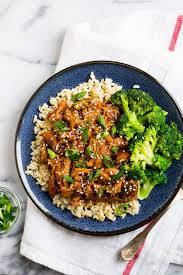
When you’re busy but still want wholesome meals, turning to healthy slow cooker recipes is a smart move. Using a slow cooker, you can prepare nourishing dishes — packed with vegetables, lean proteins, legumes, whole grains — that simmer slowly to bring out flavors while keeping cooking simple and hands-off.
Why Choose Healthy Slow Cooker Recipes for Your Meals
Slow cookers make it easy to cook balanced, nutritious meals without constant supervision. Whether you want a vegetable stew, chickpea curry, or a lean-meat casserole, healthy slow cooker recipes offer:
-
Convenience — you can set the cooker in the morning and come back hours later to a ready meal.
-
Efficient use of simple, natural ingredients — pulses, vegetables, herbs, lean meat or plant-based proteins.
-
One-pot cooking, which reduces cleanup and can help you manage portion sizes and nutritional balance.
Because of these advantages, healthy slow cooker recipes are ideal for busy families, people meal-prepping for the week, or anyone seeking comforting, nutrient-dense dinners with minimal fuss.
What to Cook in a Slow Cooker? — Great Ideas for Healthy Slow Cooker Recipes
Here are some of the best kinds of dishes to prepare in a slow cooker, especially if you want them to be healthy:
-
Vegetable stews / soups / curries: For example, a vegetable curry, lentil soup, or chickpea stew — rich in fiber, vitamins, and plant protein.
-
Legume-based meals: Beans, chickpeas or lentils simmered with spices, herbs, and vegetables — ideal for vegetarian or vegan diets.
-
Lean meat casseroles or stews: Using lean cuts of meat (or lean turkey mince) to make casseroles or meat-and-vegetable stews — slow cooking tenderizes the meat and reduces the need for added fats.
-
Mixed grain & bean dishes: Whole grains (like brown rice or barley) with vegetables and beans — great for fiber, sustained energy, and balanced nutrition.
-
Batch-cooked meals for freezing / meal prep: Soups, stews, or casseroles that you cook in bulk, divide into portions, then freeze for quick reheating.
These recipes show how versatile slow cookers are — from vegan curries to hearty stews — all fitting under the umbrella of healthy slow cooker recipes.
Is Cooking in a Slow Cooker Healthy?
That’s a common question — and the answer is: yes — when done thoughtfully, slow-cooker cooking can be a very healthy method.
Benefits for Health
-
Nutrient retention: The low temperature and moist cooking environment of a slow cooker help preserve nutrients, especially when cooking vegetables, legumes, and hearty stews.
-
Less need for added fats: Since slow cooking softens tough cuts of meat and extracts flavor over time, you often don’t need to add much oil or fat.
-
Encourages wholesome ingredients: Many slow-cooker recipes lean on whole foods — pulses, vegetables, lean proteins — rather than processed ingredients.
-
Convenience reduces reliance on unhealthy fast food: Having a nutritious meal ready at home can reduce dependence on fast food or takeout when you’re short on time.
Potential Drawbacks / What to Watch Out For
-
Nutrient loss for some vitamins: Prolonged cooking, even at low heat, can degrade some heat-sensitive or water-soluble vitamins (e.g. vitamin C, certain B vitamins) — especially in vegetables.
-
Food safety concerns if not used properly: For example, some legumes (like dried kidney beans) contain toxins that must be boiled properly before slow cooking; otherwise they can pose health risks.
-
Risk of monotony or overcooking: If you overcook vegetables, they may lose texture, flavor, and some nutrients.
So — overall, cooking in a slow cooker can be healthy, especially if you choose your ingredients carefully and follow safe cooking practices.
What Is the Healthiest Type of Slow Cooker?
Not all slow cookers are created equal. When choosing a slow cooker for healthy slow cooker recipes, consider the following:
-
Material of the pot: Slow-cookers come in ceramic, stoneware, or non-stick coated (like Teflon) pots. Many cooks prefer ceramic or stoneware because they are inert, unlikely to leach chemicals, and may help with even heat distribution.
-
A tight-fitting lid and good seal: This helps retain moisture, nutrients, and flavors, while ensuring even cooking.
-
Proper size for your needs: A cooker that’s too big may require more liquid than needed. One that’s too small may overflow or not cook evenly.
-
Safety and instructions compliance: Follow manufacturer instructions carefully — pre-soak or pre-boil certain ingredients (like dried beans), avoid frequent lid lifting, ensure proper cooking times.
In short: a ceramic or stoneware slow cooker with a good seal, appropriate size, and used properly is the “healthiest” type for preparing nutritious slow-cooked meals.
Recipes & Meal Ideas — Sampling Healthy Slow Cooker Recipes
Here are a few meal ideas that align with healthy slow cooker recipes:
-
Chickpea stew with vegetables — high in fiber and plant protein; good for vegan or vegetarian diets.
-
Vegetable curry or stew — mix seasonal vegetables, spices, and broth for a nutritious, balanced meal.
-
Lean-meat and vegetable casserole — use lean turkey or chicken, lots of vegetables, herbs; slow cooking tenderizes meat without heavy fats.
-
Whole-grain + legume + veggie soups — combine brown rice or barley, beans/lentils, carrots/cabbage/spinach to make a wholesome one-pot meal.
-
Batch-cooking soups/stews for meal prep — cook large pot of stew or soup, portion and freeze for easy reheating on busy days.
These options show how you can use healthy slow cooker recipes to support a balanced diet, whether plant-based, balanced omnivore, or meat-inclusive.
Frequently Asked Questions (Q&A)
What to cook in a slow cooker healthy?
You can cook a wide variety of healthy dishes in a slow cooker: vegetable stews, legume-based curries (like chickpea or lentil stew), mixed-grain soups, lean-meat casseroles with plenty of vegetables, whole-grain and bean dishes, and large-batch soups or stews that freeze well for meal prep. These are especially suitable when you aim for balanced, nutrient-dense meals with minimal added fats or processed ingredients.
Is cooking in a slow cooker healthy?
Yes — cooking in a slow cooker can be very healthy, especially when you choose nutritious ingredients (vegetables, legumes, lean meats, whole grains) and avoid overloading with fats or processed items. Slow cooking preserves many nutrients, reduces the need for added fat, and encourages wholesome, home-cooked meals. However, to maximize health benefits, be mindful of cooking times (don’t overcook vegetables), pre-soak beans if using dried, and avoid over-reliance on high-fat or overly processed ingredients.
What is the healthiest type of slow cooker?
The healthiest slow cooker is one with a ceramic or stoneware pot (rather than potentially reactive coatings), a tight-fitting lid to retain moisture and nutrients, and an appropriately sized pot for your intended meals. Also, use it properly: follow manufacturer guidelines, pre-soak or pre-boil dried beans if needed, and cook food thoroughly. This helps ensure nutrient retention, safe cooking, and delicious, healthy results.
Tips for Making Slow Cooker Meals Healthier & Safer
To get the most from your healthy slow cooker recipes:
-
Use plenty of vegetables, legumes, whole grains, lean meats — maximize fiber, vitamins, minerals, proteins.
-
Avoid over-cooking delicate vegetables; if possible, add softer veggies toward the latter half of cooking or use less time.
-
Pre-soak or pre-boil legumes like dried kidney beans to avoid potential toxins.
-
Use low-sodium broths, plenty of herbs and spices instead of heavy sauces, cream, or added fats.
-
Cook in bulk — prepare large portions and store leftovers for easy, healthy meals later.
Read more information:Visit here!
Conclusion
Using healthy slow cooker recipes is a great way to combine convenience, flavor, and nutrition. With the right ingredients — vegetables, legumes, lean proteins, whole grains — a good slow cooker, and mindful cooking practices, you can enjoy balanced, wholesome meals with minimal effort. Whether you’re preparing a hearty stew, a vegetable curry, or a nutritious soup, slow cooking offers a flexible, simple, and health-conscious approach to everyday cooking.