What Types of Construction Debris Can Be Removed (And When to Call a Pro)
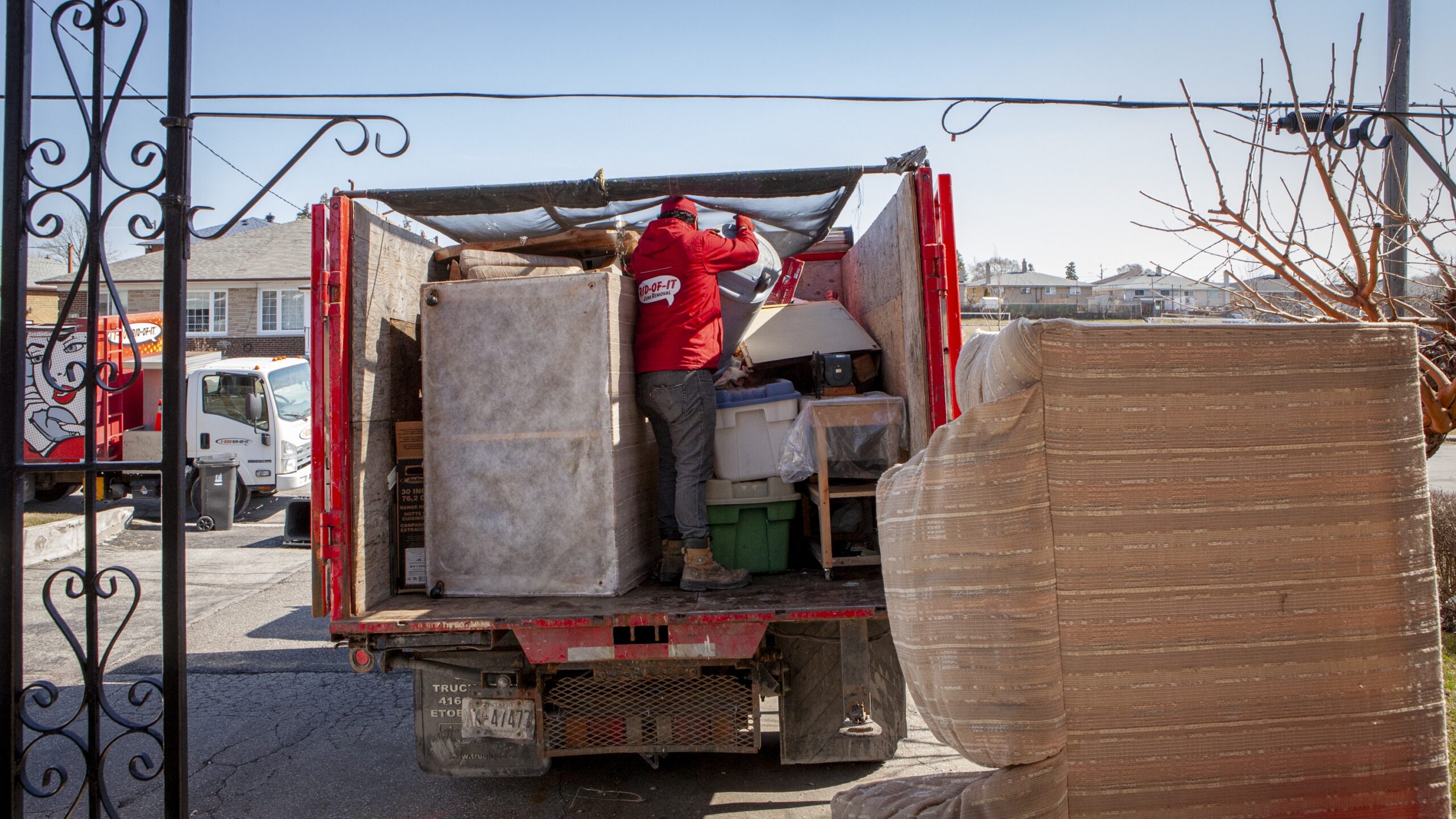
Whether you’re renovating a single unit or managing a multi-phase residential project, construction waste can accumulate quickly. From broken drywall to splintered wood, debris can become a hazard if left unattended. For property owners and contractors in Toronto, keeping sites clear isn’t just about cleanliness—it’s about maintaining a safe, functional, and efficient workspace.
Scheduling construction waste removal early helps prevent project slowdowns and ensures waste is handled responsibly as the work progresses. But what exactly can be removed during these pickups, and when should you consider outside help?
Types of Construction Waste Accepted
Most junk removal services in Toronto are equipped to handle a variety of light construction materials, particularly from residential renovations or small commercial projects. However, removal limits and service scope vary, so it’s essential to know which materials typically fall within acceptable boundaries.
Items that can often be removed include:
- Drywall (clean and bagged or boxed if possible)
- Small wood pieces or trim (e.g., offcuts, framing waste)
- Broken tiles or flooring sections (when limited in volume)
- Non-treated lumber
- Insulation (bagged)
- Cardboard or packaging from building materials
- Bagged dust and debris from interior work
Note that removal teams typically handle this work manually, so oversized, waterlogged, or exceptionally heavy materials may not be eligible. For example, large slabs of concrete, excessive gravel, or complete tear-down materials may fall outside the scope of regular construction waste removal services.
Always clarify acceptable materials at the time of booking to avoid surprises at pickup.
What to Prepare for Safe and Efficient Waste Pickup
A smooth pickup begins with preparation. Even when crews handle the loading, organizing the materials in advance helps reduce on-site time and ensures debris is removed safely and efficiently.
Here are some tips to help prepare:
- Group identical materials together. Keep drywall separate from wood or other waste types.
- Bag dust, insulation, or loose debris securely to prevent spreading during handling.
- Pile the materials in one accessible location near the front of the property, or in an open garage if available.
- Avoid mixing prohibited items such as concrete slabs, paint cans, or treated lumber unless confirmed with your provider.
Proper sorting can also make it easier for items to be recycled or diverted responsibly once they reach a construction waste disposal facility in Toronto.
Scheduling Construction Waste Removal in Toronto Job Sites
Construction waste disposal services in Toronto typically operate by appointment. If your job site produces recurring debris over several days or weeks, it’s a good idea to schedule pickups in stages rather than waiting until the end of the project.
This approach:
- Keeps your site safer for workers
- Prevents debris from obstructing key work areas
- Reduces trip hazards around sharp or dusty materials
Seasonal factors such as snow, rain, or extreme heat can also impact access to debris, so it’s advisable to book ahead when possible—especially during peak renovation months in Toronto.
Conclusion – Keeping Your Worksite Clear with Professional Support
Promptly handling construction waste disposal ensures your residential project stays efficient and secure. From light debris and drywall to bundled wood offcuts, most routine materials can be removed safely when sorted and prepared in advance.
When you’re ready to schedule construction debris removal, working with 1-800-RID-OF-IT helps simplify the process—without disrupting the pace of your project. Book your service now!