Fall Arrest System Inspection & Maintenance Requirements
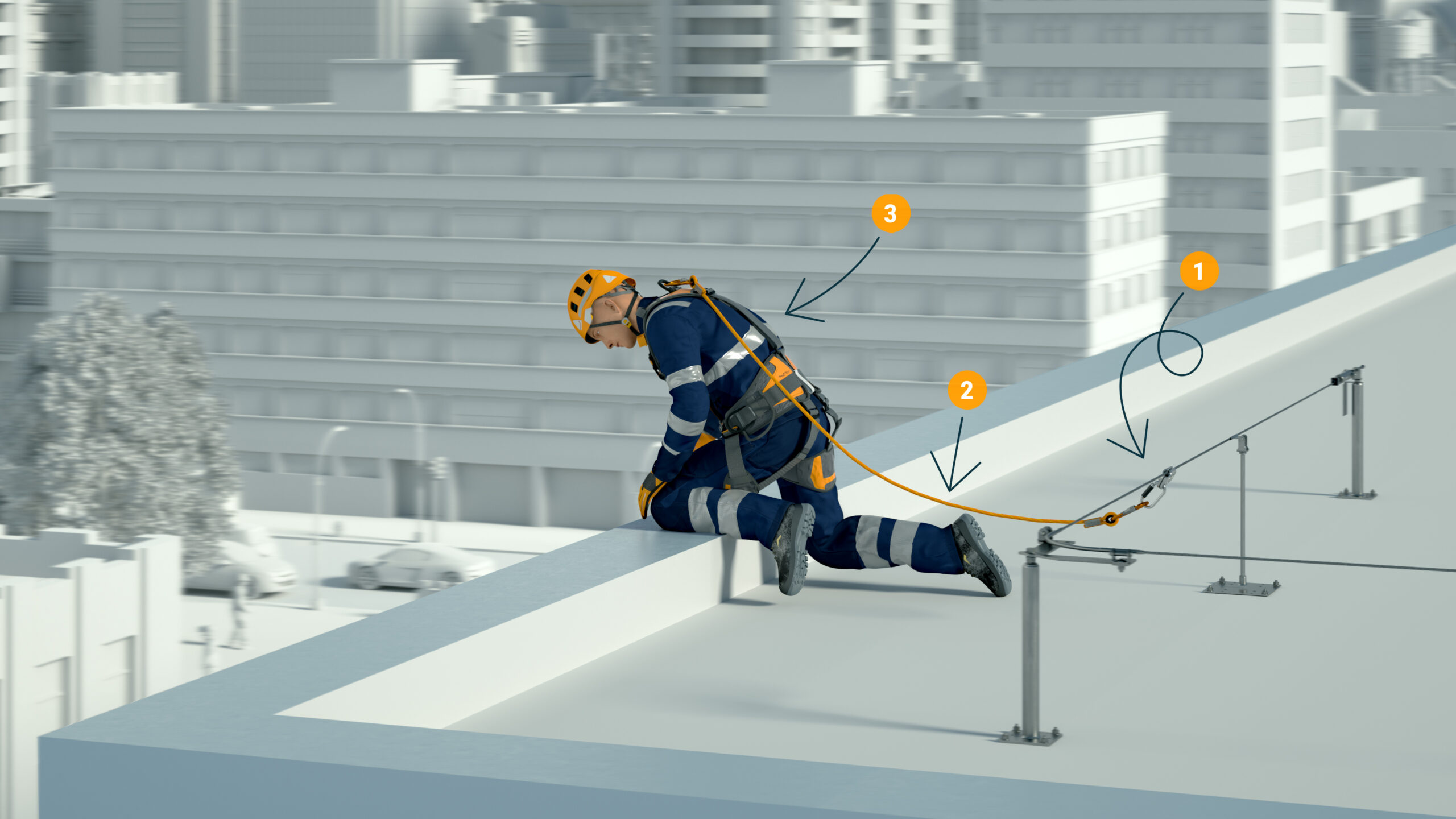
Working at height remains one of the leading causes of serious workplace injuries. Even the most advanced fall arrest system can fail if it is not inspected and maintained correctly. Many incidents occur not due to poor equipment design, but due to worn components, missed inspections, or improper handling. These failures expose organizations to safety risks, downtime, and regulatory action.
A structured inspection and maintenance process ensures that fall protection systems perform as intended during real fall events. Regular checks also help organizations stay aligned with safety regulations and project requirements.
Indian Inovatix, a trusted manufacturer, supplier, and specialist, designs fall protection systems with durability and inspection ease in mind. This guide explains the inspection and maintenance requirements every safety officer, EPC contractor, and compliance head must follow.
Why Fall Arrest System Inspection Matters
Fall arrest systems operate under extreme forces during a fall. Even when not actively engaged, they remain exposed to dust, heat, moisture, and mechanical stress. Over time, this exposure affects performance.
Inspection identifies early signs of wear, corrosion, or misuse before they turn into failures. It also supports legal compliance and protects workers who depend on these systems daily.
Key reasons inspection is mandatory
-
Prevent equipment failure during fall events
-
Identify damage not visible during normal use
-
Maintain compliance with safety standards
-
Extend equipment service life
-
Protect workers and project timelines
What Is Included in a Fall Arrest System
Before defining inspection steps, it is important to understand the components involved. A fall arrest system is not a single product. It is a combination of connected elements that must function together.
Typical components include
-
Full body harness
-
Lanyard or retractable fall arrester
-
Energy absorber
-
Anchorage point
-
Horizontal lifeline or vertical system, where applicable
-
Connectors such as hooks and carabiners
Each component has its own inspection needs and service conditions.
Types of Fall Arrest System Inspections
Inspection is not a one-time task. It follows a defined schedule based on usage and risk exposure.
Pre-Use Inspection
This inspection is carried out by the worker before every use. It focuses on visible damage and functional checks.
The worker should examine the system calmly and without rushing. Any doubt must lead to isolation of the equipment.
What to check during pre-use inspection
-
Cuts, fraying, or abrasion on webbing
-
Deformation or cracks in metal parts
-
Smooth operation of buckles and adjusters
-
Secure stitching and intact labels
-
Proper locking action of hooks
Pre-use inspection takes only a few minutes but prevents serious incidents.
Periodic Inspection by a Competent Person
This inspection is conducted at defined intervals, usually every three to six months, depending on usage and environment. It must be done by a trained and authorized person.
Periodic inspection is more detailed and documented. It includes checks that go beyond visual review.
Key focus areas
-
Structural integrity of all components
-
Wear patterns caused by repeated loading
-
Corrosion or chemical damage
-
Compatibility between connected components
-
Verification of serial numbers and records
Indian Inovatix systems are designed with inspection points that simplify this process.
Inspection After a Fall Event
Any fall arrest system involved in a fall must be removed from service immediately. Even if no visible damage is present, internal stress may have compromised performance.
The system must either be replaced or assessed by the manufacturer or an authorized inspection authority.
Mandatory actions after a fall
-
Tag the system as unusable
-
Remove it from the worksite
-
Record the incident
-
Replace with a certified system
Reusing a system after a fall puts lives at risk.
Maintenance Requirements for Fall Arrest Systems
Inspection identifies issues. Maintenance addresses them. A clear maintenance plan ensures that systems remain ready for use throughout their service life.
Cleaning and Storage Practices
Improper storage damages fall arrest equipment faster than regular use. Dust, moisture, and chemicals degrade materials over time.
Good storage practices include
-
Store in a dry, shaded location
-
Keep away from chemicals and sharp tools
-
Hang harnesses properly to avoid deformation
-
Avoid placing heavy objects on equipment
Cleaning should be gentle and regular. Use mild soap and water only. Never use solvents or abrasive materials.
Component Replacement Policy
Not all damaged components can be repaired. Some must be replaced immediately.
Components that require replacement when damaged
-
Webbing with cuts or burns
-
Hooks with deformation or locking failure
-
Energy absorbers showing deployment signs
-
Labels that are unreadable
Indian Inovatix supplies compatible replacement components to maintain system integrity.
Record Keeping and Documentation
Inspection without documentation has limited value. Records provide traceability and proof of compliance.
Records should include
-
Equipment identification details
-
Inspection dates and findings
-
Inspector name and signature
-
Actions taken or replacements made
These records support audits and help track equipment lifecycle.
Inspection Requirements for Different Fall Arrest Systems
Different systems face different stress patterns. Inspection must match the system type.
Personal Fall Arrest Systems
These systems are used frequently and closely interact with the worker.
Inspection focuses on harness fit, lanyard condition, and connector performance. Frequent movement increases wear, making regular checks essential.
Ladder and Vertical Fall Arrest Systems
Vertical systems face continuous friction during ascent and descent.
Inspection must check guide rails, cables, and locking devices. Any obstruction or corrosion affects performance during a fall.
Roof Fall Arrest Systems
Roof systems are exposed to weather throughout the year.
Inspection must focus on anchor points, corrosion protection, and system alignment. Seasonal inspection is strongly recommended.
Horizontal Lifeline Systems
Horizontal systems distribute load across multiple anchors.
Inspection must verify cable tension, anchor integrity, and energy absorber condition. These systems require inspection by trained specialists due to complexity.
Common Inspection Mistakes to Avoid
Many failures occur due to simple oversights.
Frequent mistakes include
-
Relying only on visual checks
-
Skipping inspection schedules
-
Allowing untrained personnel to inspect
-
Ignoring minor damage
-
Mixing incompatible components
Avoiding these mistakes improves safety and compliance.
Role of Indian Inovatix in Inspection Support
Indian Inovatix designs fall protection systems with long-term use in mind. Each product is engineered for durability, inspection access, and clear identification.
Support provided by Indian Inovatix
-
Manufacturer guidance for inspection intervals
-
Compatible replacement components
-
Technical documentation
-
Application support for EPC and industrial projects
This support helps organizations maintain safe work environments.
Mini Case Scenario: Maintenance Failure Prevented
An industrial plant scheduled shutdown maintenance involving roof access. During periodic inspection, a worn lanyard was identified and replaced.
Two days later, a worker slipped near the roof edge. The system arrested the fall safely. The replaced component prevented a potential failure.
This incident reinforced the value of structured inspection and maintenance.
Compliance and Legal Responsibility
Organizations are responsible for providing safe equipment. Inspection and maintenance are part of this responsibility.
Failure to inspect can lead to penalties, project stoppages, and loss of trust. Regular inspection protects both workers and organizations.
FAQ
How often should a fall arrest system be inspected?
Before every use and periodically every three to six months.
Who is allowed to inspect fall arrest systems?
A trained and competent person authorized by the organization.
Can a fall arrest system be reused after a fall?
No. It must be removed from service immediately.
What happens if labels are damaged?
The component should be replaced due to traceability loss.
Are inspection records mandatory?
Yes. They support compliance and audits.
Do roof systems need seasonal inspection?
Yes, due to weather exposure.
Can damaged components be repaired?
Only if approved by the manufacturer.
Does Indian Inovatix support inspection guidance?
Yes, with documentation and technical support.
What is the biggest inspection risk?
Ignoring small signs of wear.
Is inspection part of safety compliance?
Yes, it is mandatory for work at height.
Conclusion
Fall arrest system inspection and maintenance are not optional tasks. They are essential safety responsibilities that protect workers, projects, and organizations. Regular inspection identifies risks early, while proper maintenance ensures reliable performance during critical moments.
Indian Inovatix, a trusted manufacturer, supplier, and specialist, provides fall protection systems designed for durability, inspection ease, and long-term reliability. By following structured inspection and maintenance practices, organizations can maintain compliance and safeguard every worker at height.
Every worker deserves safety. Equip your team with certified fall protection today. Enquire now for bulk pricing, request a quote, or customize solutions.