What to Do if You Discover Bees While Landscaping
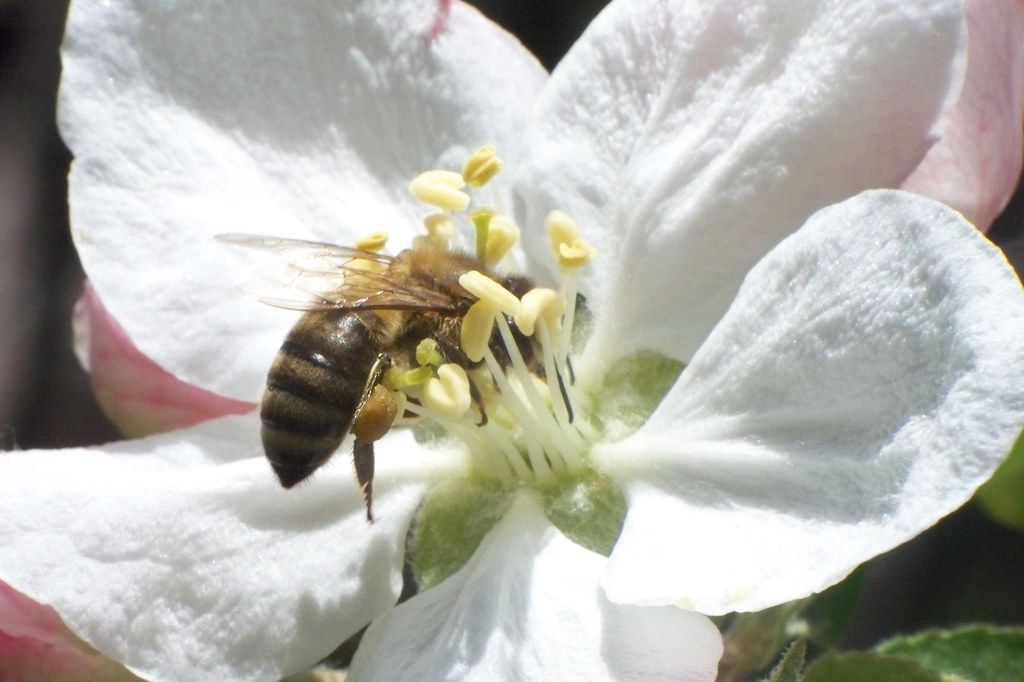
Landscaping often feels therapeutic, allowing homeowners to improve outdoor spaces while connecting closely with nature. However, these projects sometimes reveal unexpected wildlife activity beneath soil, wood, or dense vegetation. Discovering bees during landscaping can create concern, especially when safety and ongoing work timelines matter. Despite initial worry, calm and informed responses significantly reduce risks for people and pollinators alike. Bees are essential to ecological balance, supporting plant reproduction and environmental health across landscapes. Reacting impulsively may cause unnecessary harm or escalate defensive behavior. Instead, thoughtful awareness helps homeowners navigate encounters responsibly. Landscaping projects frequently intersect with natural habitats, making preparation essential. Understanding how to respond protects both personal safety and environmental responsibility.
This article outlines clear, practical guidance for managing such discoveries effectively. By learning appropriate steps, homeowners can continue landscaping while maintaining harmony with nature. Proper knowledge transforms unexpected encounters into manageable situations grounded in respect, safety, and long-term environmental stewardship.
Understanding Why Bees Appear During Landscaping
Landscaping activities often disturb natural environments that insects rely upon for shelter and stability. Digging soil, removing decayed wood, or trimming dense plants can expose hidden nesting areas. Bees seek protected locations offering warmth, security, and proximity to flowering resources. Gardens naturally provide these conditions, making encounters relatively common. Seasonal factors strongly influence visibility, with spring and early summer producing increased movement and colony expansion. During these periods, vibrations from tools or equipment may draw attention unintentionally.
Understanding these triggers reduces fear and promotes rational decision-making. Bees rarely behave aggressively unless they perceive direct threats to their colony. Observing calmly from a distance allows homeowners to assess behavior patterns safely. Recognizing that landscaping simply intersects existing habitats encourages respectful responses. Awareness of these ecological dynamics supports informed planning and reduces unnecessary conflict. When homeowners understand why bees appear, they are better prepared to respond thoughtfully without disrupting vital pollination processes.
Assessing Risk Before Taking Action
When bees are discovered, immediate evaluation of potential risk becomes the most important step. Observing activity from a safe distance helps determine whether a nest exists nearby. Protective clothing such as gloves and long sleeves adds an extra safety layer during assessment. It is essential to identify proximity to walkways, entrances, or play areas when determining urgency. Bees located far from high-traffic zones may not require immediate intervention. Weather conditions should also be considered, as warm sunlight increases activity levels significantly. Remaining calm prevents sudden movements that could provoke defensive behavior.
Homeowners should avoid loud noises, vibrations, or direct contact during observation. Taking time to assess ensures safer decision-making and prevents escalation. This measured approach prioritizes safety while respecting ecological importance. Proper risk assessment forms the foundation for responsible action and avoids unnecessary harm during landscaping efforts.
Safe Immediate Steps When You Encounter Bees
Once bees are identified, pausing landscaping activities reduces the likelihood of defensive reactions. Continuing work may cause vibrations that bees interpret as threats to their habitat. Marking the area clearly helps prevent accidental disturbance by others. Maintaining distance allows bees to remain calm while homeowners plan next steps carefully. Scheduling work during cooler morning or evening hours can further reduce interaction risks. Avoid using chemicals or spraying water, as these actions may provoke agitation. Allowing the area to remain undisturbed temporarily often encourages natural relocation. If landscaping must continue, controlled adjustments may minimize exposure. These immediate steps protect individuals while maintaining environmental responsibility. Thoughtful pauses often prevent injuries and unnecessary ecological disruption. Responding calmly reinforces coexistence and ensures safety without compromising project goals or pollinator well-being.
When Professional Support Becomes Necessary
Certain situations require expert assistance to manage bee encounters safely and effectively. Established nests within soil banks, walls, or wooden structures increase risk significantly. Attempting removal without proper training may result in injury or environmental damage. In such cases, contacting a trusted bee removal service in Fountain Valley ensures humane, professional handling. Specialists assess colony size, species behavior, and location before determining safe relocation methods. Their experience minimizes harm while protecting both people and property.
Professionals also identify environmental factors contributing to nesting activity. Guidance provided helps prevent future occurrences during landscaping. Seeking expert support reflects responsible decision-making rather than avoidance. Professional intervention complements preventive strategies already in place. This approach ensures safety while honoring the essential ecological role pollinators fulfill within local environments.
Preventing Future Bee Encounters During Landscaping
Long-term prevention relies on thoughtful planning, consistent observation, and environmentally conscious landscaping practices. Regular inspection of soil mounds, wooden structures, and dense vegetation allows early detection. Landscaping designs that reduce sheltered cavities discourage nesting near work areas. Strategic plant placement separates flowering zones from high-traffic spaces effectively. Scheduling major projects outside peak seasons further limits interaction likelihood. Educating household members encourages respectful behavior around natural habitats.
Over time, these habits establish safer outdoor environments without eliminating pollinator support. Preventive awareness transforms landscaping into a sustainable practice. Managing bees becomes part of responsible property care rather than an unexpected disruption. Through planning and observation, homeowners protect both safety and biodiversity. Balanced prevention strategies ensure landscaping remains enjoyable, productive, and environmentally respectful.