A Guide to Digestive Health from a Stomach Doctor in Dubai
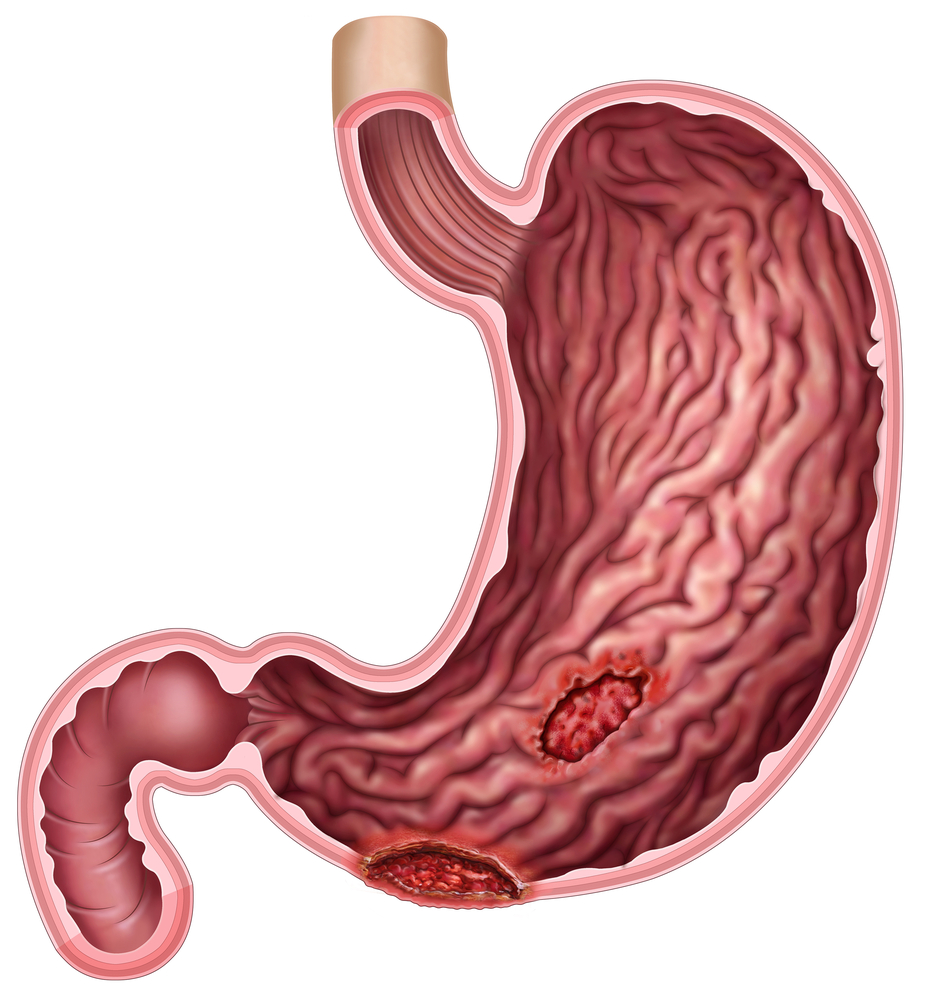
Digestive health plays a very important role in how we feel every single day. When our stomach and digestive system are working well, we feel energetic, comfortable, and focused. But when something is wrong, even simple daily activities can become difficult. Problems like acidity, bloating, constipation, diarrhea, or stomach pain are very common, yet many people ignore them for too long.
In a fast-paced city like Dubai, busy schedules, stress, eating out frequently, and irregular meal timings can easily disturb the digestive system. Many people experience stomach issues but are unsure when to seek medical help. This is where guidance from a stomach doctor in dubai becomes valuable, helping patients understand their symptoms and take the right steps toward better digestive health.
This guide is written in very simple language to help you understand how your digestive system works, common stomach problems, warning signs to watch for, and easy ways to improve and protect your gut health.
Understanding the Digestive System in Simple Words
The digestive system is responsible for breaking down the food we eat into nutrients that the body can use. It also removes waste from the body. Even though it sounds simple, digestion is actually a complex process involving several organs working together.
Main Parts of the Digestive System
- Mouth – Digestion starts here. Chewing breaks food into smaller pieces, and saliva helps begin digestion.
- Esophagus (Food Pipe) – This tube carries food from the mouth to the stomach.
- Stomach – The stomach mixes food with digestive juices and acids to break it down further.
- Small Intestine – Most nutrients are absorbed here.
- Large Intestine (Colon) – Absorbs water and forms stool.
- Liver, Gallbladder, and Pancreas – These organs help by producing enzymes and bile for digestion.
When any of these parts do not work properly, digestive problems can occur.
Common Digestive Problems People Face
Digestive issues are very common and can affect people of all ages. Some problems are mild and temporary, while others need proper medical care.
Acidity and Heartburn
Acidity happens when stomach acid flows back into the food pipe. This causes a burning sensation in the chest or throat.
Common causes:
- Spicy or oily food
- Eating late at night
- Stress
- Excess tea or coffee
Gas and Bloating
Gas and bloating make the stomach feel tight and uncomfortable. Many people feel their abdomen is swollen after meals.
Possible reasons:
- Eating too fast
- Drinking fizzy drinks
- Certain foods like beans or dairy
- Poor digestion
Constipation
Constipation means difficulty in passing stools or having hard stools.
Common causes:
- Low fiber diet
- Not drinking enough water
- Lack of physical activity
- Ignoring the urge to pass stools
Diarrhea
Diarrhea is frequent, loose, or watery stools. It can cause dehydration if not managed properly.
Common causes:
- Food infections
- Contaminated water
- Food intolerance
- Stress
Stomach Pain and Cramps
Stomach pain can range from mild discomfort to severe cramps. It may be due to indigestion, gas, infection, or more serious conditions.
Why Digestive Health Is Important
Many people think stomach problems are minor and will go away on their own. But long-term digestive issues can affect overall health in many ways.
- Poor digestion can lead to nutrient deficiency
- Ongoing stomach problems can cause weight loss or weight gain
- Digestive health affects immunity
- Gut health is linked to mental well-being and mood
- Chronic issues can reduce quality of life
Taking digestive symptoms seriously and seeking timely advice can prevent complications.
Warning Signs You Should Not Ignore
Some digestive symptoms need medical attention and should not be ignored.
- Persistent stomach pain
- Difficulty swallowing
- Frequent vomiting
- Blood in stools
- Black or tar-colored stools
- Unexplained weight loss
- Ongoing constipation or diarrhea
- Severe bloating that does not improve
If these symptoms last for more than a few days or keep coming back, consulting a specialist is important.
Lifestyle Habits That Harm Digestive Health
Modern lifestyles can put a lot of pressure on the digestive system. Being aware of these habits can help you make better choices.
Irregular Eating Timings
Skipping meals or eating at odd hours confuses the digestive system and can lead to acidity and indigestion.
Excess Fast Food
Fast food is usually high in fat, salt, and spices. Eating it often can slow digestion and irritate the stomach lining.
Lack of Physical Activity
Movement helps the intestines work better. Sitting for long hours can slow digestion and cause constipation.
High Stress Levels
Stress affects digestion more than most people realize. It can cause acidity, stomach pain, and bowel changes.
Poor Sleep
Lack of proper sleep affects hormone balance and digestion, leading to bloating and acidity.
Simple Ways to Improve Digestive Health
Good digestive health does not always require medicines. Small daily changes can make a big difference.
Eat Slowly and Mindfully
Chewing food properly helps digestion and reduces gas and bloating. Avoid distractions while eating.
Include Fiber in Your Diet
Fiber helps in smooth bowel movement and keeps the gut healthy.
Good fiber sources:
- Fruits
- Vegetables
- Whole grains
- Lentils
Drink Enough Water
Water helps break down food and prevents constipation. Try to drink water throughout the day.
Maintain Regular Meal Timings
Eating meals at the same time every day helps the digestive system work more efficiently.
Limit Oily and Spicy Foods
These foods can irritate the stomach and increase acidity. Enjoy them in moderation.
Stay Active
Even simple activities like walking after meals can improve digestion.
The Role of Gut Bacteria
Inside the digestive system, there are millions of good bacteria that help with digestion and immunity. This is called the gut microbiome.
Why Gut Bacteria Matter
- Help digest food
- Support immune system
- Produce vitamins
- Protect against harmful bacteria
How to Support Good Gut Bacteria
- Eat yogurt or fermented foods
- Include fruits and vegetables
- Avoid unnecessary antibiotics
- Reduce sugar intake
A healthy gut microbiome means better digestion and overall health.
Digestive Problems Related to Stress
The stomach and brain are closely connected. This is why stress often shows up as stomach pain, acidity, or bowel problems.
How Stress Affects Digestion
- Increases stomach acid
- Slows digestion
- Causes cramps or loose motions
- Worsens conditions like IBS
Managing Stress for Better Digestion
- Practice deep breathing
- Take short breaks during the day
- Get enough sleep
- Exercise regularly
Managing stress is an important part of digestive care.
When to See a Specialist
Occasional stomach discomfort is normal. But frequent or severe symptoms should be checked.
You should consider seeing a specialist if:
- Symptoms last for weeks
- Pain affects daily life
- Over-the-counter medicines do not help
- Symptoms keep coming back
Early diagnosis can prevent complications and long-term problems.
Digestive Health and Aging
As we grow older, digestion can become slower. Acid production may change, and bowel habits can shift.
Common Digestive Changes with Age
- Slower digestion
- Increased constipation
- Sensitivity to certain foods
- Reduced appetite
Maintaining a balanced diet, staying active, and regular health checkups become even more important with age.
Preventive Care for a Healthy Stomach
Prevention is always better than treatment. Taking care of your stomach daily can help avoid many issues.
- Eat balanced meals
- Avoid smoking and excess alcohol
- Do not ignore digestive symptoms
- Get regular medical checkups
- Follow medical advice properly
A healthy stomach supports a healthy body.
Final Thoughts
Digestive health is closely linked to overall well-being. Many stomach problems start quietly and worsen over time if ignored. Understanding your digestive system, recognizing early symptoms, and adopting healthy habits can make a big difference in your daily life.
If you experience ongoing digestive issues, professional guidance can help identify the cause and provide the right treatment plan. Seeking care from an experienced specialist like Dr. Neil Philip Galletly, the best stomach doctor in dubai, can help you manage and improve your digestive health with confidence. Taking the right steps today can lead to a healthier, more comfortable tomorrow.