Why Horizontal Lifeline Systems Are Crucial for Safe Fall Protection
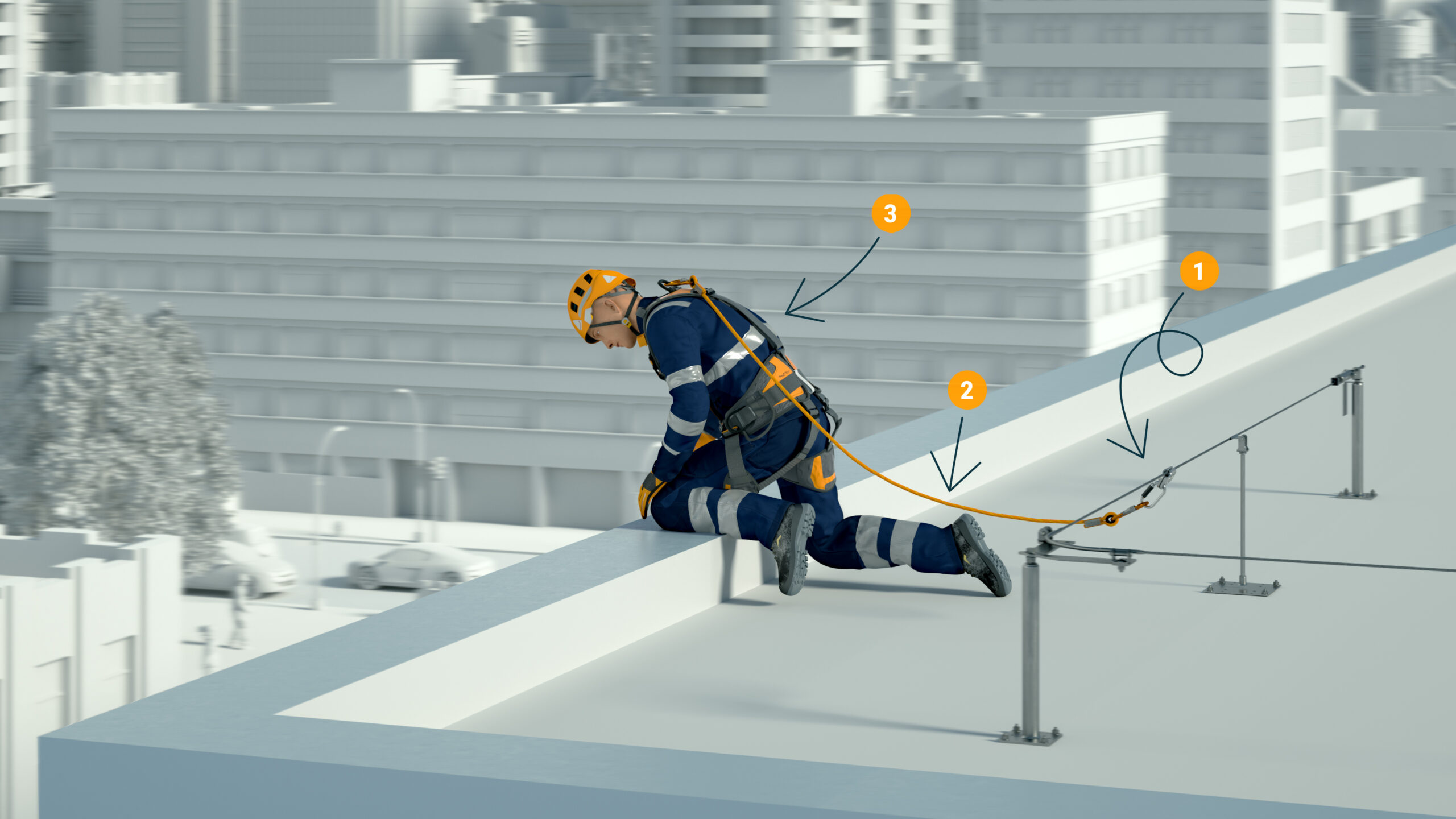
In industries where workers operate in elevated or expansive work environments, fall protection is a key component of workplace safety. One of the most effective solutions for providing consistent protection across large areas is the Horizontal Lifeline System. These systems are particularly valuable in sectors like construction, infrastructure, and energy, where workers frequently need to move across expansive rooftops, bridges, or open structures.
A horizontal lifeline system offers a versatile and reliable way to ensure that workers are protected from the risks of falling while maintaining the freedom to move efficiently throughout their work area. In this article, we’ll explore why horizontal lifeline systems are crucial for safe fall protection and how they contribute to improved safety, productivity, and compliance in high-risk work environments.
What is a Horizontal Lifeline System?
A horizontal lifeline system consists of a flexible line that runs horizontally across a work area, providing workers with fall protection while they move. The system is designed to allow workers to travel along the line without being exposed to fall hazards. The key components of a horizontal lifeline system include:
-
Anchor Points: Secure locations where the lifeline is attached to a building, structure, or other stable element.
-
Lifeline: A flexible rope or cable that runs horizontally between the anchor points.
-
Connecting Devices: These are used to link the worker’s personal fall arrest system (such as a harness) to the lifeline, allowing them to move freely while staying secure.
-
Tensioning Mechanism: Keeps the lifeline taut and ensures proper performance during a fall event.
The system is typically used in environments where workers need to move across large areas, such as rooftops, bridges, or scaffolds, providing fall protection while they work.
Key Reasons Horizontal Lifeline Systems Are Crucial for Fall Protection
1. Continuous Protection Over Large Areas
One of the primary advantages of horizontal lifeline systems is that they provide continuous protection over large work areas. Unlike traditional fall arrest systems that rely on fixed anchor points, horizontal lifelines can span wide areas, allowing workers to move from one section of the workspace to another without the need to constantly reattach themselves to new anchor points.
For example, in a roofing project, workers can move from one end of the roof to the other without having to re-anchor each time they move. This continuous protection ensures that workers are always secure, no matter where they are working on the site.
2. Freedom of Movement
In traditional fall protection systems, workers may need to attach and detach their harnesses to move around. This process can be cumbersome and time-consuming, potentially slowing down productivity. A horizontal lifeline system offers workers the freedom to move without stopping to reattach their fall protection equipment.
This freedom of movement is especially important in industries like construction, where workers need to be agile and efficient. Horizontal lifelines enable workers to travel across large areas with minimal disruption to their workflow while still ensuring their safety.
3. Increased Productivity
Safety and productivity go hand in hand. When workers feel secure in their environment, they can focus on their tasks without the constant worry of falling. Horizontal lifeline systems are designed to allow workers to move around freely while still being protected from falls, which helps improve their efficiency.
In large-scale projects, such as those in infrastructure, workers may need to travel long distances across rooftops or other elevated platforms. With a horizontal lifeline in place, workers can navigate these areas safely, completing tasks more quickly and without hesitation. This contributes to overall project timelines and helps businesses meet their objectives.
4. Versatility for Different Work Environments
Horizontal lifeline systems are incredibly versatile and can be used in various types of work environments. They are suitable for both large open spaces and complex areas where multiple workers need to be protected at once. Industries that benefit from horizontal lifeline systems include:
-
Construction: Workers on large building sites or high-rise structures can benefit from continuous protection when moving across rooftops, scaffolds, or other elevated surfaces.
-
Roofing: Roof maintenance and repair workers often work on expansive surfaces, making horizontal lifelines ideal for providing fall protection while moving across these areas.
-
Energy: In energy industries such as wind power and solar installations, horizontal lifelines are used to provide fall protection while workers access elevated platforms or equipment.
-
Infrastructure: Horizontal lifelines are crucial in large infrastructure projects such as bridges, highways, or pipelines, where workers need to navigate long stretches of elevated areas.
The adaptability of horizontal lifeline systems ensures that they can be implemented in various high-risk environments to meet specific needs.
5. Compliance with Safety Regulations
In many countries, fall protection is a mandatory safety requirement for workers operating at height. Regulatory bodies such as OSHA (Occupational Safety and Health Administration) and IS (Indian Standards) set strict guidelines for workplace safety, including fall protection measures.
By using horizontal lifeline systems, companies ensure they meet these regulatory requirements. These systems are designed to meet international safety standards, helping organizations maintain compliance and avoid costly fines. Implementing a horizontal lifeline system also demonstrates a commitment to worker safety, which can improve a company’s reputation and reduce legal liabilities.
6. Ease of Installation and Maintenance
Horizontal lifeline systems are relatively easy to install and maintain. The anchor points can be securely attached to existing structures, and the lifeline itself can be tensioned to ensure it remains taut and effective. The systems are also designed for ease of use, allowing workers to connect and disconnect from the lifeline without unnecessary delays.
Additionally, horizontal lifelines require minimal maintenance. Regular inspections ensure the system remains in top condition, with components such as cables, connectors, and anchor points being checked for wear and tear. This ease of installation and maintenance makes horizontal lifeline systems a reliable and cost-effective option for fall protection in a variety of industries.
Conclusion: The Importance of Horizontal Lifeline Systems
Horizontal lifeline systems are a crucial component of effective fall protection for workers in high-risk environments. They offer continuous protection across large areas, provide workers with the freedom to move, and help improve overall productivity. Additionally, these systems ensure compliance with safety regulations, reduce legal and financial risks, and can be used across a wide range of industries.
As a trusted fall protection solutions manufacturer and supplier, Indian Inovatix is committed to providing high-quality horizontal lifeline systems that are tailored to the specific needs of your workplace. Whether you need a solution for construction, roofing, infrastructure, or energy, our horizontal lifeline systems offer the safety, reliability, and efficiency required to protect your workers and ensure compliance.
If you’re ready to enhance the safety of your team with a horizontal lifeline system, reach out to Indian Inovatix today for more information or to request a quote. Your workforce deserves the best protection—invest in horizontal lifeline systems to safeguard their safety and boost productivity.