Residential Contractor: A Guide to Building, Remodeling and Renovation
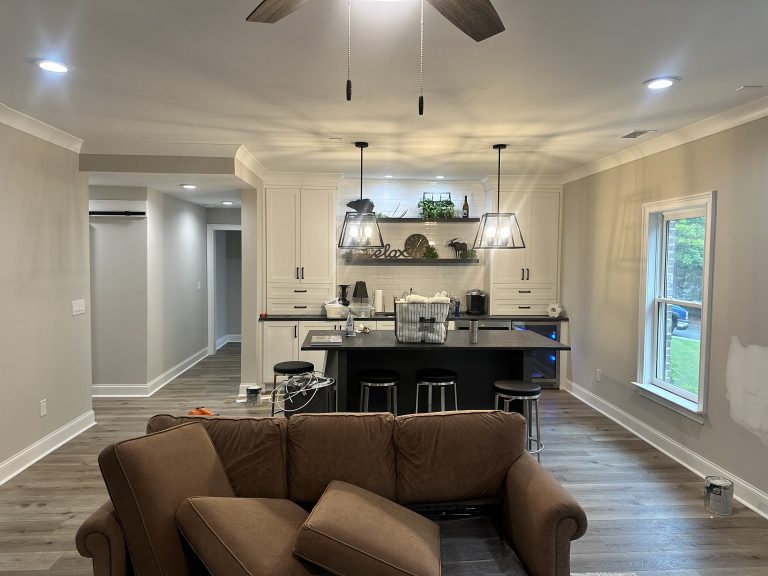
When homeowners plan construction or remodeling projects, one of the most important decisions they make is choosing the right residential contractor. This professional is responsible for managing the entire process—from planning and coordination to execution and final delivery.
Whether you’re building a new home, renovating an existing space, or adding square footage, a qualified residential contractor ensures the project is completed safely, efficiently, and to a high standard of quality.
What Does a Residential Contractor Do?
A residential contractor oversees construction and remodeling projects for homes. Unlike individual tradespeople, a contractor manages all aspects of the project and acts as the main point of contact for the homeowner.
Typical responsibilities include:
-
Reviewing plans and specifications
-
Coordinating subcontractors and suppliers
-
Managing schedules and budgets
-
Obtaining permits and scheduling inspections
-
Ensuring work meets building codes and safety standards
-
Overseeing quality control from start to finish
This centralized management reduces stress for homeowners and keeps projects organized.
When Should You Hire a Residential Contractor?
Many homeowners wonder whether they truly need a contractor. In most cases, hiring a residential contractor is essential when projects involve multiple trades, structural work, or code requirements.
Common projects that require a contractor include:
-
Home remodeling and renovations
-
Kitchen and bathroom upgrades
-
Home additions and expansions
-
New home construction
-
Structural modifications and layout changes
Attempting to manage these projects independently often leads to delays, budget overruns, and costly mistakes.
Why Experience Matters in Residential Construction
Residential construction involves more than tools and materials—it requires problem-solving, planning, and adaptability. Experienced contractors understand how homes function as complete systems.
Key benefits of working with an experienced residential contractor include:
-
Anticipating potential issues before they escalate
-
Making informed material and design recommendations
-
Managing unexpected conditions in older homes
-
Delivering consistent quality across all project phases
Experience translates directly into smoother projects and better results.
The Residential Construction Process Explained
Understanding the process helps homeowners feel more confident and informed.
Initial Consultation
Goals, budget, and timelines are discussed while evaluating the existing home or build site.
Planning and Design Coordination
Plans are reviewed for feasibility, structural integrity, and compliance with local codes.
Cost Estimation and Scheduling
Clear estimates and timelines help set realistic expectations.
Construction and Supervision
The contractor coordinates all trades, monitors progress, and maintains quality control.
Final Inspection and Completion
Completed work is reviewed to ensure everything meets agreed standards and expectations.
Quality, Safety, and Code Compliance
A professional residential contractor prioritizes safety and quality at every stage of construction.
This includes:
-
Adhering to building codes and regulations
-
Using proper construction methods and materials
-
Ensuring safe job-site conditions
-
Scheduling required inspections
These measures protect both the homeowner and the long-term value of the property.
Communication and Transparency
Clear communication is one of the most important aspects of a successful construction project. A reliable residential contractor keeps homeowners informed through:
-
Regular progress updates
-
Clear explanations of changes or challenges
-
Honest discussions about costs and timelines
Transparency builds trust and helps prevent misunderstandings.
How a Residential Contractor Adds Long-Term Value
Well-executed construction and remodeling improve more than just aesthetics. Professional work enhances durability, efficiency, and resale value.
Homes built or renovated under the supervision of a skilled residential contractor tend to:
-
Require fewer repairs
-
Meet modern safety and energy standards
-
Appeal more strongly to future buyers
This makes professional contracting a worthwhile investment.
How to Choose the Right Residential Contractor
Selecting the right contractor is critical to project success. Homeowners should look for:
-
Proven experience with similar residential projects
-
Proper licensing and insurance
-
Clear contracts and detailed estimates
-
Strong references or portfolios
-
A structured, professional process
Taking time to choose carefully helps avoid costly issues later.
Final Thoughts
A residential contractor plays a vital role in turning ideas into well-built living spaces. From planning and coordination to quality control and completion, their expertise ensures projects are handled professionally and efficiently.
For homeowners planning construction, renovation, or remodeling, working with a qualified residential contractor provides peace of mind and results that stand the test of time.