Indian Cricket Team Players Jersey Numbers Explained From 1 to 100
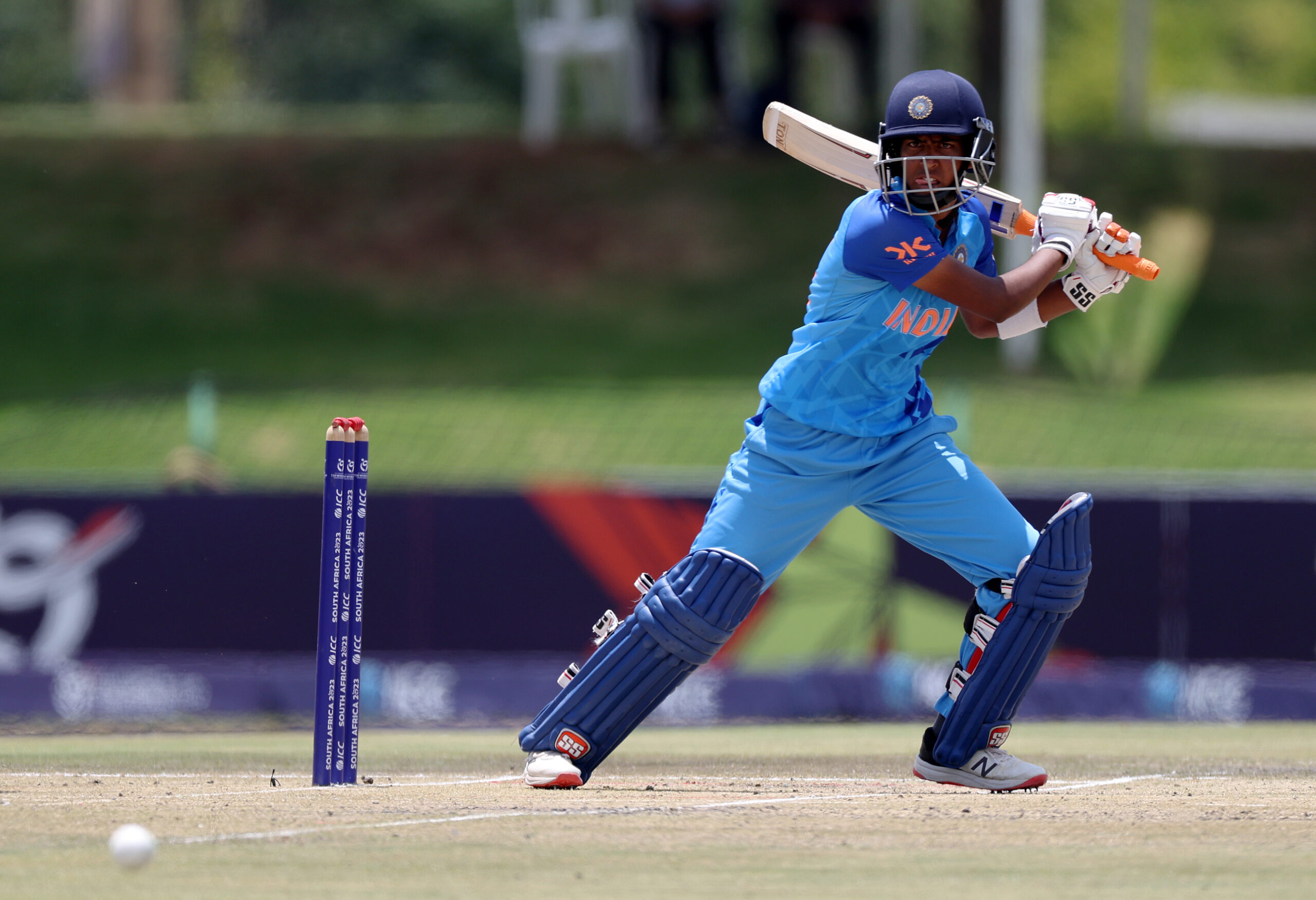
Jersey numbers in Indian cricket are more than kit details. Fans spot them from the stands, kids copy them on school grounds, and players often carry them for years across formats. With squad rotations rising and formats overlapping, understanding how jersey numbers from 1 to 100 are used helps fans track players faster and read team culture better.
This guide explains Indian cricket team players jersey numbers from 1 to 100 in a clear, current, and fan-first way. It focuses on why certain numbers matter, which Indian cricketers are linked with them, and how numbering trends have changed in modern cricket.
What jersey numbers mean in Indian cricket today
Jersey numbers in India are player-chosen, not position-based. Since the late 1990s, numbers became permanent identities rather than match-day markers. Today, a number often follows a player across Tests, ODIs, and T20Is.
Common reasons players choose a number include:
-
Birth dates or years
-
Numerology or personal beliefs
-
A number worn in junior or domestic cricket
-
Inspiration from senior Indian cricket team players
Because of this freedom, numbers from 1 to 100 appear across generations, formats, and roles. The meaning sits with the player, not the selector.
Jersey numbers 1 to 10 and their place in Indian cricket
Low numbers carry a classic feel and are often linked with early adopters of permanent jerseys in India. They stand out visually and are easy for fans to remember.
Well-known Indian cricketers with jersey numbers from 1 to 10 include:
-
7: MS Dhoni, one of the most recognized numbers in world cricket
-
10: Sachin Tendulkar, a number that became iconic across generations
-
1: KL Rahul in limited-overs formats
-
5: Gautam Gambhir during his India career
-
3: Harbhajan Singh for most of his international run
These numbers gained weight because of performance, not tradition. Over time, fans began to associate the number as strongly as the player’s name.
Jersey numbers 11 to 30 and the modern core
Numbers between 11 and 30 are the most common range in the current Indian cricket setup. Many active players fall here, especially those who debuted after 2010.
Popular examples from this range include:
-
18: Virat Kohli, now one of the most followed jersey numbers globally
-
25: Dinesh Karthik and later players in domestic-to-international transitions
-
12: Yuvraj Singh in parts of his career
-
23: Hardik Pandya, chosen for personal reasons
-
17: Rishabh Pant, widely recognized among younger fans
This range reflects the shift toward personal branding. Players entering the national side often retain the number they used in the IPL or domestic circuit.
Jersey numbers 31 to 60 and squad depth choices
Numbers from 31 to 60 are common among bowlers, all-rounders, and rotating squad members. As squads expanded across formats, this range filled quickly.
Indian cricket team players associated with this bracket include:
-
33: Jasprit Bumrah, now firmly linked with India’s fast-bowling identity
-
36: Ravindra Jadeja in early international phases
-
45: Rohit Sharma, one of India’s most recognizable limited-overs numbers
-
41: Shreyas Iyer
-
54: Washington Sundar
These numbers show how long-term selection cements identity. Once a player succeeds, the number becomes fixed, regardless of format or role.
Jersey numbers 61 to 100 and the new generation trend
Higher numbers were once rare in Indian cricket. That has changed. With IPL influence, youth squads, and faster debuts, numbers above 60 are now normal.
Recent and notable uses include:
-
63: Suryakumar Yadav, now closely tied to India’s T20 style
-
77: Shubman Gill, a number that stands out visually
-
93: Jasprit Bumrah briefly in domestic phases before settling on 33
-
99: Occasionally used in domestic and A-team tours
This range signals confidence and individuality. Younger players no longer feel pressure to pick a traditional number, especially when building their identity early.
Why Indian players rarely change jersey numbers
Once an Indian cricketer succeeds with a number, it usually stays for life. Changing numbers is uncommon and often linked to early-career uncertainty or format-specific experiments.
Players stick with one number because:
-
Fans identify them instantly
-
Branding and merchandise depend on it
-
Personal routines and beliefs play a role
This consistency helps fans track players across formats and tournaments without confusion.
How jersey numbers help fans read team culture
Jersey numbers quietly reflect Indian cricket’s shift from rigid systems to player-led identity. Seniors, youngsters, and format specialists all coexist without numbering rules.
From this pattern, fans can observe:
-
Stability when numbers stay unchanged for years
-
Transition phases when new numbers appear quickly
-
Format priorities through which players gain visual prominence
Numbers do not define performance, but they shape memory. That is why fans remember them long after matches end.
Frequently asked questions about Indian cricket team jersey numbers
Who decides jersey numbers for Indian cricket team players?
The player chooses their jersey number, subject to availability within the squad.
What is the most famous jersey number in Indian cricket?
Number 10, worn by Sachin Tendulkar, is widely seen as the most iconic.
Why is MS Dhoni associated with jersey number 7?
He chose 7 early in his career, and his success made the number inseparable from his identity.
Do Indian players use the same jersey number in all formats?
Yes, most players keep the same number across Tests, ODIs, and T20Is.
Are jersey numbers retired in Indian cricket?
No official jersey numbers are retired by the BCCI.
Can two Indian players have the same jersey number?
Not in the same squad or match. Numbers must be unique within the team.
Why are high jersey numbers now common in India?
IPL exposure and early personal branding made higher numbers acceptable.
Did Indian cricket always use permanent jersey numbers?
No, permanent numbers became standard in the late 1990s.
Do bowlers prefer certain jersey number ranges?
No fixed pattern exists, though many bowlers fall in the 30–60 range.
Will future Indian players use numbers above 100?
No, international cricket jersey numbers are limited to 1–100.
Key takeaways for fans
Indian cricket team players jersey numbers from 1 to 100 tell a story of change. What began as simple identifiers are now personal symbols carried across formats and careers. From Tendulkar’s 10 to Kohli’s 18 and Dhoni’s 7, numbers became part of cricket memory.
For fans, learning these patterns makes watching cricket richer. You recognize players faster, read team transitions better, and connect faces with moments that matter. Keep an eye on new numbers. Today’s unfamiliar jersey often belongs to tomorrow’s regular.