Why Is Supplemental Healthcare Staffing Important for Hospitals?
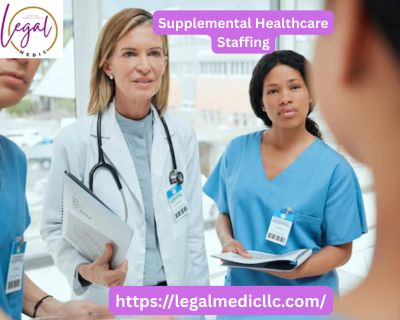
In today’s fast-paced healthcare environment, hospitals and clinics face constant challenges in providing high-quality patient care. One of the biggest issues they encounter is ensuring they have enough qualified staff at all times. This is where supplemental healthcare staffing comes into play. Organizations like Legal Medic are making a significant difference by offering solutions that help healthcare facilities meet staffing needs efficiently.
Why supplemental healthcare staffing is so important for hospitals and clinics, the benefits it provides, and how it ensures the smooth functioning of healthcare services.
What Is Supplemental Healthcare Staffing?
Supplemental healthcare staffing refers to the practice of hiring temporary or additional healthcare professionals to fill gaps in a hospital or clinic’s workforce. This can include registered nurses, medical assistants, therapists, laboratory technicians, and other healthcare professionals.
Unlike permanent staff, supplemental staff are flexible, allowing healthcare facilities to scale their workforce according to patient demand. Legal Medic, a leading provider of supplemental healthcare staffing, ensures hospitals and clinics have access to qualified professionals when they need them the most.
Why Do Hospitals and Clinics Need Supplemental Healthcare Staffing?
There are several reasons why supplemental healthcare staffing has become essential in modern healthcare:
1. Addressing Staff Shortages
Healthcare facilities often face staff shortages due to illness, vacations, or unexpected surges in patient demand. These shortages can compromise patient care and increase the burden on existing staff.
By using supplemental healthcare staffing, hospitals and clinics can quickly fill these gaps, ensuring patients receive timely and high-quality care.
2. Managing Patient Surges
Patient numbers can fluctuate due to seasonal illnesses, emergencies, or sudden health crises. During these times, having access to temporary healthcare staff helps facilities manage increased workloads without compromising care quality.
3. Reducing Burnout Among Permanent Staff
Healthcare professionals often work long hours, and high workloads can lead to burnout, stress, and job dissatisfaction. Supplemental staffing helps distribute the workload evenly, giving permanent staff the support they need to perform at their best.
4. Supporting Specialized Services
Some medical cases require specialized knowledge or skills. Supplemental staffing provides access to professionals with specific expertise, ensuring patients receive appropriate care without overburdening existing staff.
5. Flexibility in Staffing
Hospitals and clinics can adjust staffing levels according to patient needs without the long-term commitment of hiring permanent staff. This flexibility is especially valuable in dynamic healthcare environments.
Benefits of Supplemental Healthcare Staffing for Healthcare Facilities
Partnering with providers like Legal Medic for supplemental healthcare staffing brings several benefits:
1. Improved Patient Care
When hospitals and clinics have the right number of qualified staff, patient care improves. Supplemental staffing ensures that every patient receives attention promptly, reducing wait times and improving outcomes.
2. Cost-Effectiveness
Hiring permanent staff for temporary needs can be expensive. Supplemental healthcare staffing allows facilities to pay for professionals only when needed, reducing unnecessary overhead costs.
3. Faster Hiring Process
Finding qualified healthcare professionals can take time. Supplemental staffing agencies maintain a pool of vetted professionals ready to start work quickly, ensuring hospitals and clinics are never short-staffed.
4. Compliance and Credentialing
Healthcare staffing agencies ensure that all supplemental staff are fully licensed, trained, and compliant with regulations. This reduces administrative burdens and ensures high standards of care.
5. Increased Staff Morale
When staff members feel supported, morale improves. Supplemental staffing reduces stress on permanent employees, allowing them to focus on providing excellent patient care.
How Supplemental Healthcare Staffing Works?
Supplemental healthcare staffing works in a simple, yet effective way:
- Assessment of Staffing Needs: The hospital or clinic communicates their staffing requirements, including the number and type of professionals needed and the duration of their service.
- Matching with Qualified Staff: Staffing agencies like Legal Medic match the facility with qualified professionals from their pool of vetted candidates.
- Deployment: Supplemental staff are deployed to the healthcare facility, integrating seamlessly with the existing team.
- Monitoring and Support: Agencies monitor performance, ensuring that staff meet the facility’s expectations and comply with healthcare regulations.
This streamlined process allows hospitals and clinics to maintain quality care without disruptions.
The Role of Legal Medic in Supplemental Healthcare Staffing
Legal Medic specializes in providing supplemental healthcare staffing solutions tailored to the unique needs of hospitals and clinics. Here’s why they are a trusted partner:
- Experienced Professionals: Legal Medic ensures that all staff members are fully trained and experienced in their respective roles.
- Quick Deployment: Their large network allows for rapid staffing, even during emergencies or peak demand periods.
- Compliance Assurance: All professionals meet licensing and regulatory standards, ensuring legal and medical compliance.
- Cost-Efficient Solutions: Hospitals and clinics can save money by hiring only the staff they need, when they need them.
- Flexible Staffing Options: Legal Medic offers temporary, long-term, and per-diem staffing solutions to suit every requirement.
By partnering with Legal Medic, healthcare facilities can focus on what matters most: providing excellent patient care.
Key Challenges Addressed by Supplemental Healthcare Staffing
Healthcare facilities face several challenges that supplemental staffing can help solve:
1. Seasonal Patient Spikes
During flu season, holiday periods, or local health emergencies, patient numbers can surge unexpectedly. Supplemental staff ensures that facilities are prepared to handle increased patient flow.
2. Staff Turnover
High turnover rates are common in healthcare. Supplemental staffing fills immediate gaps, reducing the negative impact on patient care and operational efficiency.
3. Specialized Care Requirements
Certain departments, such as intensive care units or surgical wards, may require specialized skills. Supplemental staffing provides access to professionals with the necessary expertise.
4. Regulatory Compliance
Healthcare regulations are strict, and non-compliance can result in penalties. Staffing agencies ensure that all supplemental staff meet regulatory requirements, keeping hospitals and clinics compliant.
5. Maintaining Service Quality
Even with staffing challenges, hospitals must maintain high service quality. Supplemental healthcare staffing ensures patient care remains consistent and reliable.
Why Should Healthcare Facilities Prioritize Supplemental Staffing?
Healthcare is a demanding field where staffing challenges can directly affect patient outcomes. Prioritizing supplemental staffing ensures:
- Reduced risk of errors due to overworked staff.
- Continuity of care during staff absences or patient surges.
- Increased patient satisfaction and trust in the facility.
- Enhanced operational efficiency and reduced financial strain.
Legal Medic’s supplemental healthcare staffing services empower hospitals and clinics to overcome these challenges effectively.
Best Practices for Implementing Supplemental Healthcare Staffing
To maximize the benefits of supplemental staffing, healthcare facilities should follow these best practices:
- Assess Staffing Needs Regularly: Understand your staffing gaps and forecast future needs to ensure timely deployment of supplemental staff.
- Choose a Reliable Partner: Work with agencies like Legal Medic that have a proven track record in healthcare staffing.
- Provide Orientation: Even temporary staff should receive a brief orientation to integrate smoothly into existing teams.
- Monitor Performance: Regularly evaluate supplemental staff to maintain quality and compliance.
- Maintain Open Communication: Clear communication between permanent and temporary staff ensures smooth workflows and better patient care.
The Future of Supplemental Healthcare Staffing
As healthcare demands continue to grow, supplemental staffing will become increasingly important. Emerging trends include:
- Technology Integration: Using software platforms to match staffing needs with available professionals efficiently.
- Specialized Staffing Pools: Agencies maintaining pools of highly specialized staff to meet unique healthcare needs.
- Remote and Telehealth Support: Supplemental staffing for telehealth services to expand access to healthcare.
- Flexible Work Models: Professionals seeking temporary or flexible work options, which align well with supplemental staffing opportunities.
Legal Medic is at the forefront of these trends, ensuring hospitals and clinics are equipped to meet future healthcare demands.
About the Supplemental Healthcare Staffing
1. What is supplemental healthcare staffing?
Supplemental healthcare staffing is the practice of hiring temporary healthcare professionals to fill staffing gaps in hospitals or clinics. This ensures continuous patient care and reduces staff burnout.
2. How does supplemental staffing benefit hospitals and clinics?
It improves patient care, reduces burnout among permanent staff, provides specialized expertise, and offers flexibility in managing workforce needs.
3. Can supplemental staff handle emergencies or high patient volumes?
Yes. Supplemental healthcare staffing agencies like Legal Medic maintain a pool of qualified professionals ready to deploy during emergencies or peak patient periods.
4. Are supplemental staff fully qualified and licensed?
Absolutely. Reputable agencies ensure all supplemental staff meet licensing and regulatory requirements, maintaining healthcare compliance.
5. How can healthcare facilities choose the right staffing agency?
Look for agencies with a proven track record, experienced professionals, quick deployment capabilities, and flexible staffing options, like Legal Medic.
Supplemental healthcare staffing is no longer a luxury; it is a necessity for hospitals and clinics striving to provide high-quality patient care. By addressing staff shortages, reducing burnout, and providing access to specialized professionals, supplemental staffing ensures healthcare facilities operate smoothly and efficiently.
Partnering with a trusted provider like Legal Medic allows healthcare facilities to adapt to fluctuating patient needs, maintain compliance, and enhance overall care quality. Whether dealing with seasonal surges, staff absences, or specialized care demands, supplemental healthcare staffing is the solution modern healthcare cannot afford to ignore.
Investing in supplemental staffing is investing in better patient outcomes, healthier staff, and a stronger, more resilient healthcare system.