How to Choose the Right Engineer for Your Construction Project
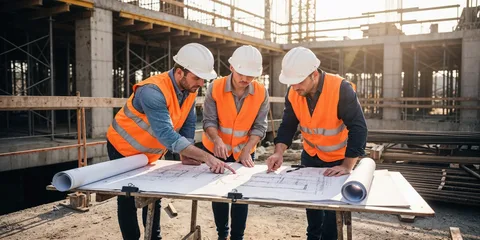
Choosing the right professional for a construction project can be the difference between a smooth build and a stressful, expensive experience. While many people focus heavily on hiring the contractor, the truth is that the Engineer you choose plays a major role in safety, design accuracy, cost control, and long-term durability. Whether you’re building a new home, expanding a commercial property, or renovating an older structure, engineering decisions affect everything from foundations to load-bearing walls.
A strong engineer doesn’t just “draw plans.” They evaluate risk, understand building codes, calculate structural loads, and help prevent issues that may not show up until months or years later. They also communicate with contractors and architects to ensure the design can actually be built properly. That’s why selecting the right engineer is a decision you should make carefully—not quickly.
Experienced firms like AL HARMAIN ASSOCIATES ENGINEER & CONSULTANT understand that engineering is not only technical work, but also responsibility. When a project is engineered correctly, it becomes safer, more efficient, and easier to manage. And when engineering is rushed or handled by someone inexperienced, the problems can be costly and sometimes dangerous.
If you want to choose the right professional for your build, this guide will walk you through the key things to check, the questions to ask, and the red flags to avoid.
Understand What Type of Engineer You Actually Need
One common mistake people make is hiring the wrong kind of engineer. Engineering has many specialties, and not every engineer is qualified for every type of work.
Depending on your project, you may need:
- A structural engineer for load-bearing walls, foundations, beams, and slabs
- A civil engineer for site work, drainage, roads, and land development
- A mechanical engineer for HVAC planning and ventilation
- An electrical engineer for power systems and load planning
- A plumbing/public health engineer for water supply and drainage systems
Before you hire anyone, be clear about your project needs. The right Engineer will also help you understand what services are required and what isn’t.
Look for Proven Experience With Similar Projects
Not all experience is equal. An engineer who has worked mostly on commercial towers may not be the best fit for a residential extension. Likewise, an engineer who handles small homes may not be prepared for industrial projects.
When reviewing experience, focus on:
- Similar building type (residential, commercial, industrial)
- Similar structure size and complexity
- Similar soil or site conditions
- Familiarity with your local building standards
- Experience with renovations vs new construction
A skilled Engineer should be able to explain past projects clearly and show you how they handled challenges like structural reinforcement, foundation design, or complex layouts.
Verify Credentials, Licensing, and Professional Standing
Credentials matter in construction. A qualified engineer should have proper education, certifications, and licensing required in your region. This protects you legally and ensures the engineer is accountable.
Ask for:
- Registration number or license proof (if applicable)
- Academic background
- Professional certifications
- Membership in recognized engineering bodies (optional but valuable)
A trustworthy Engineer will never hesitate to provide documentation. If someone avoids the topic or becomes defensive, it’s a strong warning sign.
Evaluate Communication Skills (This Matters More Than People Think)
A lot of construction delays happen because the engineer is slow to respond, unclear in their drawings, or difficult to coordinate with. Technical skills are important, but communication is what keeps the project moving.
A reliable engineer should:
- Answer questions clearly without confusing jargon
- Provide drawings and reports on time
- Coordinate with contractors when issues arise
- Explain changes and design decisions logically
- Be available during key project stages
A good Engineer is not only a designer, but also a problem-solver who supports the project when real-world challenges appear on-site.
Ask About Their Process and Deliverables
Before hiring, you should understand what the engineer will actually provide. This helps avoid misunderstandings later.
Deliverables may include:
- Structural drawings and calculations
- Soil investigation recommendations
- Site inspection reports
- Reinforcement details and specifications
- Design revisions (if needed)
- Support during approvals and permits
A professional Engineer will outline the full scope in writing and explain what is included in the fee.
Check Their Knowledge of Codes and Compliance
Engineering isn’t only about strength—it’s also about compliance. Building codes exist for a reason: safety, stability, and public protection.
Your engineer should be familiar with:
- Local building codes
- Seismic and wind load requirements (if applicable)
- Fire safety considerations
- Material standards and testing
- Approval procedures
A responsible Engineer designs with code compliance in mind from the beginning. This prevents approval delays and reduces the risk of rework later.
Ask How They Handle Site Visits and Construction Support
Some engineers provide drawings and disappear. Others stay involved through inspections, site visits, and coordination with contractors.
For best results, choose an engineer who offers:
- Scheduled site visits at key stages
- On-site support for unexpected conditions
- Quick revisions when needed
- Clear responses to contractor questions
A project is rarely perfect on paper. A good Engineer stays involved and helps solve issues like unexpected soil conditions, reinforcement conflicts, or design changes.
Compare Fees Carefully (Cheapest Is Often Risky)
Engineering fees can vary widely, and it’s tempting to choose the lowest option. But engineering is not an area where you want shortcuts. A cheap engineer may:
- Reuse generic designs
- Skip proper calculations
- Avoid site visits
- Provide incomplete drawings
- Delay revisions
A well-qualified Engineer may charge more, but they reduce long-term risks and help you avoid structural problems, approval issues, and expensive changes during construction.
Instead of comparing total price only, compare:
- Scope of services
- Number of site visits
- Timeline for deliverables
- Revision policy
- Level of involvement during construction
Look for Transparency and Documentation
Trustworthy engineers work with documentation. They don’t rely on verbal promises. They provide clear contracts, written reports, and organized drawings.
A reliable engineer will give you:
- A written proposal
- A clear scope of work
- Timelines and delivery dates
- Payment terms
- Professional drawings with proper formatting
A professional Engineer understands that clear documentation protects both the client and the project.
Watch for Red Flags Before You Sign
Here are common warning signs that you should take seriously:
- They rush you into signing without explaining details
- They offer unrealistic timelines or “instant” drawings
- They don’t ask questions about the project
- They avoid contracts or written proposals
- They give vague answers about safety or compliance
- They cannot show relevant past work
A qualified Engineer is careful, detail-oriented, and realistic—not overly confident without facts.
Conclusion
Hiring the right Engineer is one of the smartest investments you can make in any construction project. The right professional ensures your structure is safe, code-compliant, and designed to last. They also help prevent costly mistakes, support your contractor during construction, and provide clarity when unexpected challenges arise. By checking credentials, reviewing relevant experience, evaluating communication, and choosing someone who provides transparent documentation, you can confidently select an engineer who protects your project from the ground up.
FAQs
Do I need an engineer for a small construction project?
In many cases, yes—especially if you’re making structural changes like removing walls, adding a floor, or modifying foundations. An engineer ensures safety and compliance.
What’s the difference between an engineer and an architect?
An architect focuses on layout, design, and aesthetics. An engineer focuses on structural stability, safety, and technical performance. Most projects need both.
How early should I hire an engineer?
As early as possible. Hiring an engineer during the planning stage helps prevent design mistakes and saves money by reducing changes later.
Can an engineer help reduce construction costs?
Yes. A skilled engineer can optimize structural design, reduce material waste, and prevent expensive rework. Good engineering is cost control.
What documents should I receive from an engineer?
You should receive proper drawings, calculations (if required), and any supporting reports or recommendations. All should be clear and professionally presented.