Tongue-Tie vs. Lip-Tie: What’s the Difference?
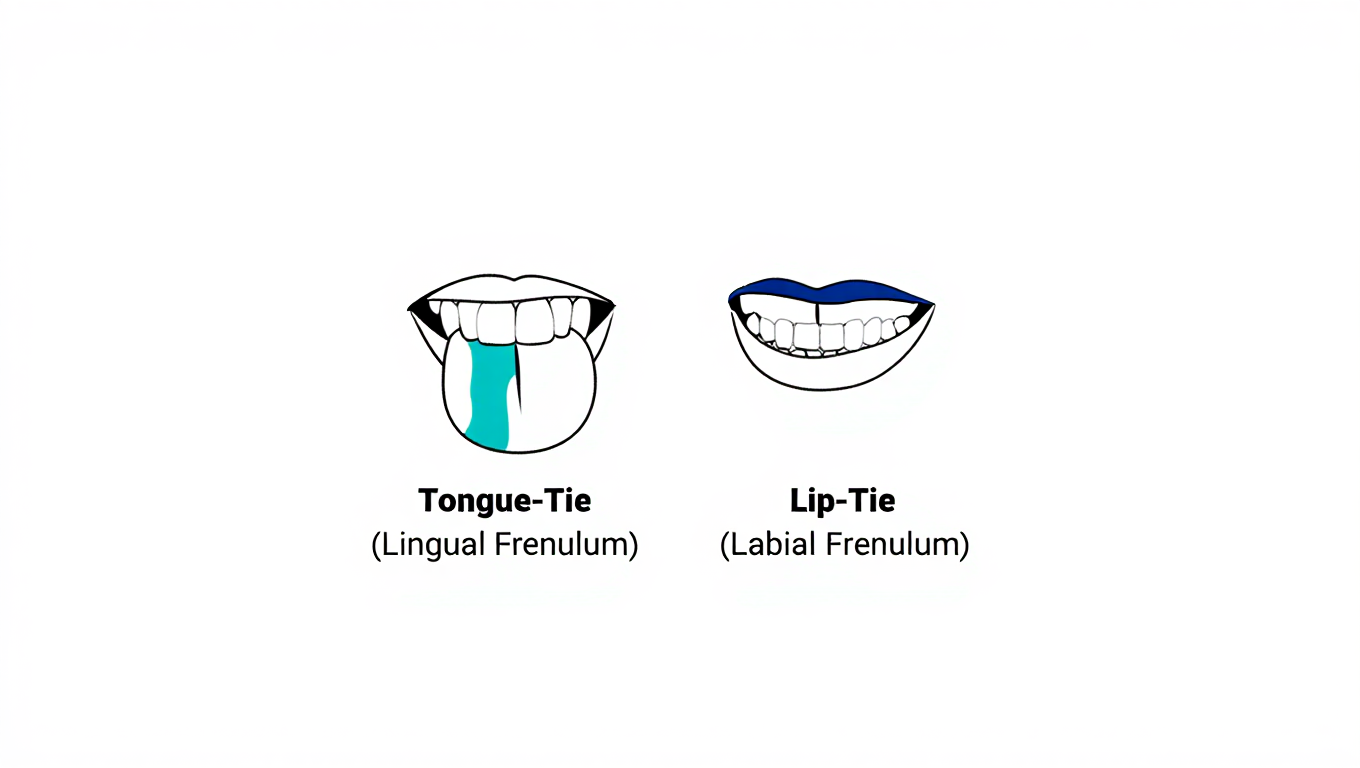
If your baby is struggling with feeding, latching, reflux, or even sleep, you may have heard the terms tongue-tie and lip-tie. While they sound similar, these two oral restrictions affect different parts of the mouth and can cause different — yet often overlapping — symptoms. Understanding the difference is the first step toward getting the right support from a Tongue Tie Surgery Specialist and professional pediatrics team.
At Alabama Tongue-Tie Center, families receive specialized, evidence-based care focused entirely on diagnosing and treating tongue-ties and lip-ties in infants and children.
What Is a Tongue-Tie?
A tongue-tie (ankyloglossia) occurs when the thin band of tissue under the tongue is too tight, short, or thick, limiting normal tongue movement. Because the tongue plays a critical role in feeding, swallowing, speech, and oral development, restrictions can lead to multiple challenges.
Common signs of tongue-tie include:
-
Difficulty latching or staying latched during breastfeeding
-
Clicking sounds while feeding
-
Poor weight gain
-
Excessive gas, reflux-like symptoms, or fussiness
-
Milk leaking from the sides of the mouth
-
In older children: speech clarity issues or picky eating
Early evaluation by a Tongue Tie Surgery Specialist can help identify functional restrictions that may not be obvious during routine exams.
What Is a Lip-Tie?
A lip-tie occurs when the tissue connecting the upper lip to the gums is too tight or thick, preventing the lip from flanging outward properly during feeding.
Common signs of lip-tie include:
-
Shallow or painful latch
-
Upper lip tucking inward during feeds
-
Increased air intake
-
Prolonged or inefficient feeding sessions
-
Milk dribbling
-
Spacing between the upper front teeth as a child grows
Lip-ties often occur alongside tongue-ties, which is why comprehensive evaluation in professional pediatrics is essential.
Tongue-Tie vs. Lip-Tie: Key Differences
| Feature | Tongue-Tie | Lip-Tie |
|---|---|---|
| Affects | Tissue under the tongue | Tissue connecting upper lip to gums |
| Main Impact | Tongue mobility | Upper lip movement |
| Feeding Issues | Inefficient milk transfer | Shallow latch, air intake |
| Speech Impact | Possible in older children | Rare |
| Often Occurs With | Lip-tie | Tongue-tie |
Many children have both, making a full oral assessment critical for accurate diagnosis.
How Oral Ties Affect Feeding and Development
Feeding requires coordinated movement of the tongue, lips, jaw, and cheeks. When movement is restricted:
-
Babies work harder to feed
-
Feeding sessions take longer
-
Parents may experience nipple pain
-
Babies may remain hungry or uncomfortable
Over time, unresolved oral restrictions can impact oral development, sleep quality, and speech patterns.
Diagnosis: Why Specialized Pediatric Care Matters
Not all tongue-ties and lip-ties are visible at birth. Some are posterior or hidden, requiring advanced training and functional assessment to diagnose. At the Alabama Tongue-Tie Center, evaluations focus on how the mouth functions, not just how it looks.
A comprehensive assessment includes:
-
Feeding history and parental concerns
-
Oral anatomy and mobility
-
Functional tongue and lip movement
-
Symptom patterns over time
This approach ensures accurate diagnosis and personalized treatment planning.
Treatment Options: Modern Tongue-Tie Surgery
When oral restrictions interfere with feeding or development, a frenectomy may be recommended. Today’s advanced techniques use precise laser technology, offering several benefits:
-
High accuracy
-
Minimal discomfort and bleeding
-
Fast healing
-
No general anesthesia for infants
Post-procedure guidance and follow-up care are essential to support optimal outcomes.
Treatment is led by Dr. Richard Baxter, an internationally recognized expert in tongue-tie and lip-tie treatment and a leader in professional pediatric care.
When Should Parents Seek an Evaluation?
Consider scheduling a consultation if:
-
Feeding feels painful or stressful
-
Your baby struggles to latch or stay latched
-
Reflux, gas, or colic-like symptoms persist
-
You’ve been told everything is “normal,” but concerns remain
Early intervention can reduce long-term feeding challenges and support healthy development.
Final Thoughts
Tongue-ties and lip-ties may involve small pieces of tissue, but their impact can be significant. Understanding the difference helps parents make informed decisions and seek care from experienced Tongue Tie Surgery Specialists in professional pediatrics.
For expert evaluation and treatment, contact Alabama Tongue-Tie Center:
📧 Official Email: info@tonguetieal.com
📍 Address: 2480 Pelham Pkwy, Pelham, AL 35124, United States