Does Grout Expire, and Can You Use Old Grout
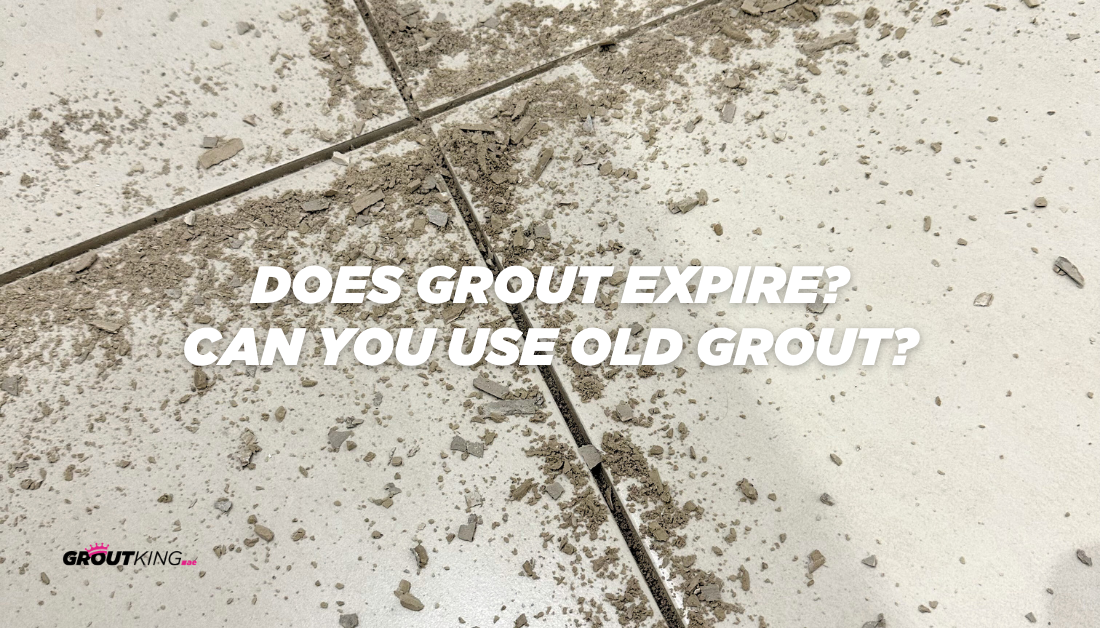
Many homeowners find themselves staring at a bag or container of grout that has been sitting in their garage or storage room for months or even years, wondering whether it is still usable or has passed its expiration date. Understanding how long grout remains viable, what factors affect its shelf life, and how to determine whether old grout is still safe to use can save you money, prevent project failures, and help you make informed decisions about your tiling work. This comprehensive guide explores everything you need to know about grout expiration and usability. https://groutking.ae/
Understanding Grout Shelf Life
Grout does indeed have a shelf life, though the specifics vary dramatically depending on the type of grout, storage conditions, and whether the package has been opened. Manufacturers typically print expiration or best-before dates on packaging that indicate how long the product will maintain its intended performance characteristics under proper storage conditions. These dates are conservative estimates that include safety margins, meaning grout may remain usable beyond the printed date if stored properly.
The distinction between expiration and degradation is important to understand, as grout does not suddenly become useless on a specific date but rather gradually loses effectiveness over time. Different components within grout formulations degrade at different rates, with some ingredients remaining stable for years whilst others deteriorate relatively quickly. Understanding what happens to grout as it ages helps you make informed decisions about whether older products are suitable for use. https://overlypost.com/
At Grout King, we maintain strict inventory rotation practices and only use grout products within their optimal performance windows. Our commitment to using fresh materials ensures that every installation benefits from grout performing at its engineered specifications. Our clients receive installations that cure properly, achieve intended strength, and deliver the longevity they expect from professional grouting services.
Powder Grout Shelf Life and Storage
Unopened bags of powder grout, when stored properly in dry conditions, can remain usable for extended periods, often well beyond their printed expiration dates. The dry ingredients in powder grout are relatively stable, with cement, sand, and pigments maintaining their properties for years if protected from moisture. Sealed bags stored off the ground in climate-controlled environments can last several years without significant degradation.
However, powder grout is highly susceptible to moisture contamination, which causes premature setting and clumping that renders the product unusable. Exposure to humidity can trigger partial hydration of cement particles, creating hard lumps throughout the powder that will not dissolve during mixing. Even sealed bags can absorb atmospheric moisture over time, particularly in humid climates like Dubai during certain seasons. Storage conditions dramatically affect how long powder grout remains viable.
Opened bags of powder grout have considerably shorter usable life, typically remaining good for only a couple of months even under ideal storage conditions. The exposure to air allows moisture infiltration and can cause loss of volatile additives that affect workability and performance. At Grout King, we purchase powder grout in quantities appropriate to our project schedules and store materials in controlled facilities that protect against moisture and extend usable life. This careful inventory management ensures we always work with grout at peak performance.
Pre-Mixed Grout Expiration Factors
Pre-mixed grout has a definite shelf life that is considerably shorter than powder grout, typically ranging from one to three years for unopened containers, depending on the specific formulation. The water content in pre-mixed grout creates an environment where biological growth can occur and where chemical ingredients may gradually separate or degrade. The polymer additives that give pre-mixed grout its desirable working characteristics can break down over time, affecting performance.
Temperature extremes during storage can accelerate degradation of pre-mixed grout, with freezing causing permanent damage to the product’s structure and extreme heat potentially triggering premature curing reactions. Once opened, pre-mixed grout has a very limited usable life, typically only weeks to months, even when resealed, as exposure to air begins drying and curing processes. Pre-mixed grout requires more attention to expiration dates and storage conditions than powder formulations.
Signs that pre-mixed grout has expired include separation of liquid and solids, formation of hard crusts or lumps, unusual odours indicating bacterial growth, or dramatic changes in colour or consistency. If any of these signs are present, the product should be discarded rather than used.
How to Determine if Old Grout Is Still Usable
Assessing whether old grout remains usable requires careful inspection and sometimes testing before committing it to an important project. For powder grout, start by checking the packaging for an expiration date and considering how far past that date the product is. Feel the bag for hard lumps or clumps that indicate moisture contamination, as these are warning signs that the grout may not perform properly.
Open the bag and inspect the powder visually, looking for uniform colour and texture without discoloured areas, hard chunks, or signs of moisture damage. Smell the powder for any unusual odours that might indicate contamination or degradation. If the powder appears uniform, dry, and free-flowing without lumps, you can perform a small test batch by mixing a cup of grout according to package instructions and observing whether it mixes smoothly and achieves proper consistency.
For pre-mixed grout, check for separation of components, surface crusting, unusual odours, or dramatic consistency changes that indicate the product has degraded. If the container has been frozen or exposed to extreme temperatures, the product should be considered suspect even if other signs are not obvious.
At Grout King, we never take chances with questionable materials, as the cost of fresh grout is minimal compared to the expense and disruption of a failed installation requiring removal and replacement.
Risks of Using Expired Grout
Using expired or degraded grout introduces significant risks that can compromise your entire tiling project and lead to failures requiring expensive correction. Firstly, expired grout may not achieve its intended strength, resulting in weak, crumbly grout lines that crack, deteriorate prematurely, or fail to provide adequate support for tiles. Improper curing due to degraded chemical components can leave grout that never fully hardens or remains permanently soft and vulnerable to damage.
Colour consistency becomes unreliable with old grout, as pigments may have degraded or separated, leading to blotchy, uneven results that look unprofessional and cannot be corrected without removing and replacing the grout. Expired grout may not mix properly, creating lumps, grittiness, or inconsistent texture that makes application difficult and results in unsatisfactory finishes. The money saved by using old grout is easily lost when the installation fails and must be redone.
Another significant risk involves adhesion and bonding, as degraded additives may prevent proper bonding between grout and tiles, leading to grout that pulls away from tile edges or falls out of joints entirely. This failure is particularly problematic in wet areas like showers, where compromised grout allows water infiltration that can cause extensive damage.
At Grout King, our policy of using only fresh, properly stored materials eliminates these risks and ensures that every installation performs as intended for years to come.
Specific Degradation Concerns for Different Grout Types
Different grout formulations experience distinct degradation patterns that affect their usability as they age. Cement-based powder grout primarily suffers from moisture contamination and hardening of cement particles, which is relatively easy to detect through visual inspection and feel. The cement itself remains viable almost indefinitely if kept completely dry, though additives may gradually lose effectiveness. Old cement grout that appears dry and free-flowing may still be usable, though testing is advisable.
Polymer-modified powder grouts contain additional ingredients that enhance flexibility and adhesion, and these polymer additives can degrade over time, even in sealed bags. The shelf life of polymer-modified grouts is typically shorter than that of basic cement grout due to these sensitive components. Epoxy grout systems, which consist of multiple components mixed before use, have specific shelf lives for each component and lose effectiveness if components degrade at different rates.
Pre-mixed grout formulations rely heavily on polymer additives and stabilisers that maintain the product in a workable condition within its container. These complex chemical systems are more vulnerable to degradation from temperature fluctuations, time, and storage conditions.
At Grout King, our expertise with diverse grout types means we understand the specific vulnerabilities of each formulation and select products that will deliver reliable performance throughout Dubai’s challenging climate conditions.
Storage Best Practices to Extend Grout Life
Proper storage significantly extends grout shelf life and maintains its performance characteristics near original specifications:
All grout products should be stored in cool, dry locations protected from temperature extremes and moisture exposure.
Powder grout bags should be kept off the ground on pallets or shelves where air circulation prevents moisture accumulation, and away from exterior walls where condensation might occur.
Opened bags of powder grout should be sealed tightly by folding the top multiple times and securing with tape or clips, or by transferring remaining powder to airtight containers or sealed plastic bags within the original bag.
Pre-mixed grout containers must be sealed completely after each use, with plastic wrap placed over the grout surface before replacing the lid to minimise air exposure. Taking a few moments to properly seal and store grout dramatically extends its usable life.
Temperature control is also crucial, with ideal storage temperatures ranging between 10 and 25 degrees Celsius. Extreme heat can cause premature reactions in some grout components, whilst freezing irreversibly damages pre-mixed grout and can cause moisture condensation in powder grout when temperatures fluctuate.
Economic Considerations of Using Old Grout
The economics of using old grout versus purchasing fresh material involve more than simply comparing product costs. Whilst using grout you already own eliminates the expense of buying new material, the risks of project failure create potential costs that dwarf any savings. If old grout fails after installation, you face not only the cost of new grout but also the labour cost of removing failed material, repairing any damage, and reinstalling, which can easily exceed 10 times the cost of fresh grout.
Time represents another economic factor, as discovering that old grout is unusable mid-project causes delays while you obtain replacement material. The peace of mind from knowing your grout will perform reliably has value, particularly for important areas like bathrooms and kitchens, where failures cause significant inconvenience. Viewed holistically, the modest cost of fresh grout represents excellent insurance against much larger potential losses.
For professional installers like Grout King, using fresh materials is simply sound business practice; callbacks for repairs and reputation damage from failed installations far exceed any savings from using questionable old grout. Our clients benefit from this professional approach, receiving installations backed by confidence that comes only from using materials within their optimal performance windows.
Testing Old Grout Before Use
If you decide to attempt using old grout, proper testing before committing it to your project can prevent disasters and wasted effort. For powder grout, mix a small test batch using precise measurements according to package instructions, observing whether the powder dissolves completely without leaving lumps or grit. Note whether the mixed grout achieves the expected consistency and workability, or whether it seems too thick, too thin, or difficult to work with despite correct proportions.
After that, apply the test batch to a small inconspicuous area or sample tiles, observing how it works during application and cleanup. Allow the test grout to cure fully, then evaluate the finished result for proper hardness, colour consistency, and absence of cracking or crumbling. If the test batch performs satisfactorily in all respects, the old grout may be acceptable for use, though you should remain vigilant throughout the actual project for any signs of problems.
For pre-mixed grout, testing involves mixing the container contents thoroughly to reincorporate any separated components, then checking consistency, colour, and workability. Apply a test area and observe curing behaviour. However, pre-mixed grout that shows any signs of separation, crusting, or odour changes should be discarded regardless of test results, as these indicate fundamental degradation that will likely cause problems.
At Grout King, whilst we maintain rigorous inventory practices that make testing unnecessary, our technicians are trained to identify any material issues immediately and would never proceed with questionable products.
Regional Factors Affecting Grout Shelf Life in Dubai
Dubai’s unique climate creates specific challenges for grout storage and shelf life that differ from temperate regions. The extreme heat experienced during summer months, particularly in non-air-conditioned storage areas, accelerates chemical reactions and degradation processes in both powder and pre-mixed grout. The dramatic temperature fluctuations between scorching outdoor temperatures and heavily air-conditioned interior spaces can cause condensation, introducing moisture contamination into powder grout.
While Dubai experiences high outdoor humidity, indoor environments can vary significantly depending on air conditioning usage, with some spaces maintaining lower humidity levels while others remain humid. However, regardless of humidity levels, the dust and fine sand prevalent in Dubai’s environment can easily contaminate opened grout packages and negatively affect grout performance. Additionally, indoor storage locations can experience fluctuating humidity levels throughout different seasons, especially in areas with inconsistent climate control, creating conditions where moisture damage may occur. Therefore, proper storage practices are particularly crucial in Dubai’s challenging and variable environmental conditions.
Grout King’s local expertise includes understanding these regional storage challenges and maintaining facilities that protect materials from Dubai’s environmental extremes. Our efficient inventory turnover means materials rarely remain in storage long enough for age-related degradation to become a concern, ensuring clients always receive grout at peak performance capability.
Manufacturer Warranties and Expired Grout
Using expired grout typically voids any manufacturer’s warranties or performance guarantees associated with the product, creating additional risk beyond the technical concerns about performance. Grout manufacturers base their warranty coverage on the assumption that products are used within specified timeframes and according to instructions, which includes respecting expiration dates. If problems arise with installations using expired grout, manufacturers will refuse warranty claims, leaving you solely responsible for all correction costs.
Professional installation warranties often specify that only fresh materials within the manufacturer-recommended shelf life will be used, and using expired grout would constitute a breach of warranty terms. Insurance coverage for water damage or other issues resulting from grout failure may be denied if investigations reveal that expired materials were used. The legal and financial implications of using expired grout extend beyond immediate performance concerns.
At Grout King, our commitment to professional standards includes using only materials within manufacturer-specified parameters, which protects client interests. We maintain detailed records of materials used on every project, including batch numbers and dates, ensuring complete traceability and supporting our quality coverage. This professional approach provides clients with genuine protection and peace of mind that extends years into the future.