Navigating Customs with Ease: A Guide to Bonded Warehouses
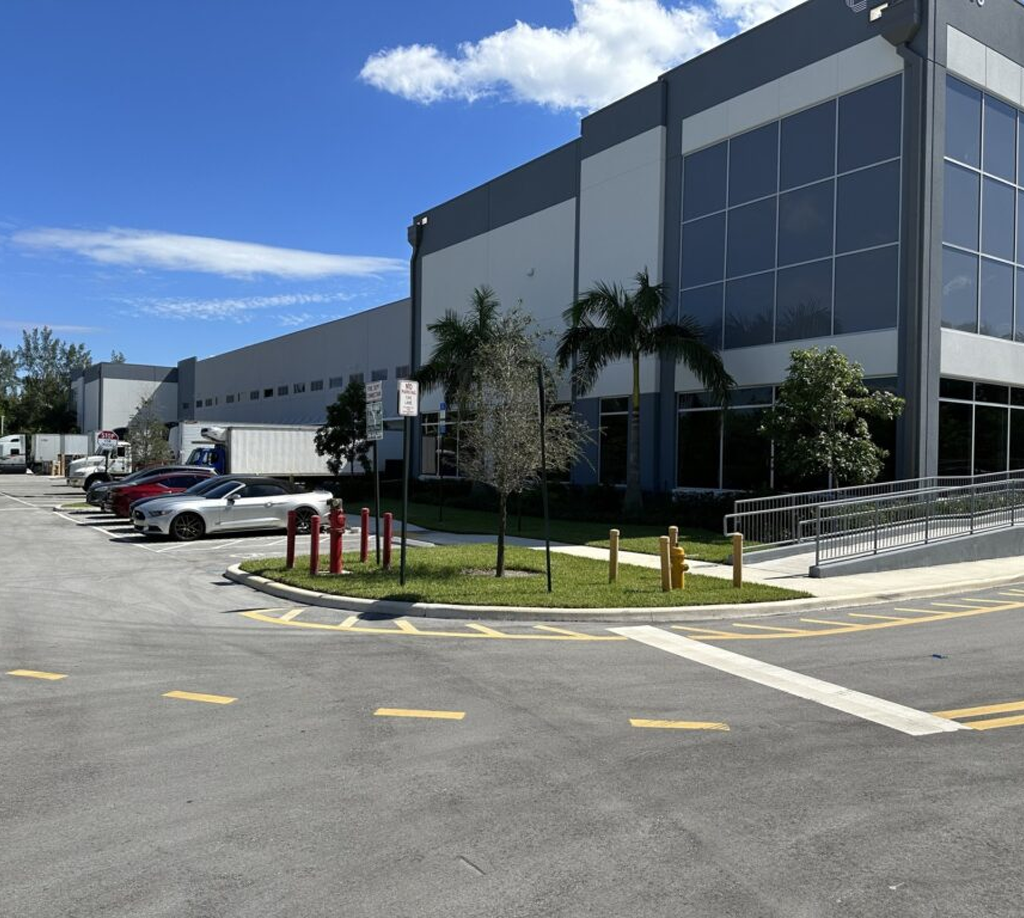
1. Introduction – Why Bonded Warehouses Matter
When global trade accelerates, businesses constantly juggle shipping schedules, inventory costs, and complex customs regulations. A bonded warehouse offers a strategic shortcut: it lets you store imported goods without paying duties and taxes upfront. By postponing or even eliminating these fees until the products are released for domestic consumption, companies gain cash‑flow flexibility, reduce storage expenses, and minimize the risk of non‑compliance. This guide walks you through the fundamentals, the step‑by‑step process, and the best practices for leveraging warehouses to smooth your customs journey.
2. What Is a Bonded Warehouse?
A bonded warehouse (also called a customs‑bonded warehouse or a customs‑controlled storage facility) is a secure, government‑approved location where imported goods can be held under customs bond. While the merchandise remains inside, it is considered “in transit” and is exempt from import duties, value‑added tax (VAT), and other levy until it is either:
- Released into free circulation – duties are paid at this point, and the goods can be sold locally.
- Re‑exported – no duties are ever levied, because the items never entered the domestic market.
- Processed under a customs‑approved scheme (e.g., assembly, packaging, or labeling) – duties may be calculated on the finished product rather than the raw material.
The bond itself is a financial guarantee—usually provided by a customs broker, insurance company, or the importer—that ensures the government will receive any duties due when the goods eventually leave the warehouse.
3. Core Benefits for ImportersBenefitHow It Helps Your Business
| Cash‑flow preservation | Pay duties only when you have a buyer or need to move the product into the market. |
| Inventory flexibility | Store large shipments in one location, then release smaller quantities as demand spikes. |
| Risk mitigation | If market conditions change, you can re‑export goods without incurring duties. |
| Customs compliance simplification | Consolidated reporting and documentation are handled through a single facility. |
| Value‑added processing | Perform labeling, quality checks, or repackaging under customs supervision, often at reduced tax rates. |
4. Getting Started – The Practical Setup4.1 Choose the Right Facility
- Location matters – Proximity to ports, airports, or major distribution hubs cuts intra‑national transport costs.
- Specialization – Some warehouses focus on perishables, hazardous materials, or high‑value electronics. Match the facility’s capabilities with your product profile.
- Reputation & compliance record – Verify the operator’s customs audit history and insurance coverage.
4.2 Secure a Customs Bond
- Surety bond – The most common form, issued by a licensed surety company.
- Cash deposit – An alternative for firms with substantial liquid assets.
- Broker‑facilitated bond – Many customs brokers bundle the bond with their filing services, simplifying paperwork.
4.3 File the Necessary Documentation
- Entry summary (CBP Form 7501 in the U.S., or its equivalent) – Declares the arrival of goods and requests bonded storage.
- Warehouse receipt – Issued by the bonded facility, confirming the quantity, description, and condition of the cargo.
- Bond guarantee form – Links the bond to the specific entry number and warehouse location.
Most customs administrations now support electronic filing (e.g., ACE in the U.S., CHIEF in the UK), which speeds up approval to a few hours instead of days.
5. Managing the Goods Inside the Warehouse5.1 Inventory Control
- Automated tracking – RFID tags and warehouse management systems (WMS) provide real‑time visibility and help avoid “ghost inventory.”
- Regular audits – Conduct monthly physical counts and reconcile them with the WMS to stay compliant with customs verification requests.
5.2 Processing Under Bond
If you intend to add value (e.g., assembly, repackaging, testing), submit a Customs‑Approved Manufacturing (CAM) or In‑Bond Processing application. This allows you to:
- Defer duty on the raw material and pay only on the final product’s declared value.
- Benefit from reduced rates if the finished good falls under a preferential tariff classification.
5.3 Re‑Export or Transfer
When you decide to send goods back out of the country:
- File a “export declaration” (or “in‑bond export”) indicating the items are leaving under bond.
- Obtain a release order from customs, which the warehouse uses to move the cargo to the outbound carrier.
6. Common Pitfalls and How to Avoid ThemPitfallConsequencePrevention
| Incorrect classification | Over‑ or under‑payment of duties, possible penalties. | Use a qualified customs broker and double‑check HS codes. |
| Missing inventory updates | Customs may deem the bond violated, leading to fines. | Implement daily WMS updates and schedule quarterly internal audits. |
| Improper handling of hazardous goods | Safety violations and customs seizure. | Verify the warehouse’s hazardous‑materials license and follow all handling protocols. |
| Failure to file export documentation | Bond may be voided, incurring immediate duty collection. | Set calendar reminders for export filing deadlines (usually within 30 days of removal). |
| Over‑reliance on a single warehouse | Supply‑chain bottlenecks if the facility experiences delays. | Maintain secondary bonded locations or negotiate flexible storage terms. |
7. Tips for Maximizing Efficiency
- Leverage “deferred duty” programs – Many customs agencies offer a short‑term duty deferment (30‑90 days) for bonded inventory; use it to cover temporary cash‑flow gaps.
- Bundle shipments – Consolidate smaller orders into larger batches before entering the warehouse to lower handling fees.
- Negotiate “pick‑and‑pack” services – Some bonded operators provide value‑added logistics (kitting, labeling) at competitive rates, reducing the need for external contractors.
- Stay abreast of tariff changes – A shift in free‑trade agreements can dramatically alter duty calculations; periodic tariff reviews keep your cost model accurate.
- Integrate customs data with ERP – Automatic import‑record syncing eliminates manual entry errors and speeds up the release process.
8. Conclusion – Turning Customs Complexity into Competitive Advantage
Bonded warehouses are more than just storage spaces; they are strategic customs tools that empower importers to control costs, manage risk, and respond swiftly to market demand. By selecting a reputable facility, securing the appropriate bond, and maintaining rigorous inventory and documentation practices, you can navigate customs with confidence and keep cash flowing where it matters most—into growth initiatives and customer service. Treat the bonded warehouse Miami as an integral component of your supply‑chain architecture, and you’ll transform what once felt like a regulatory hurdle into a powerful lever for global competitiveness.