Why Do Luxury Watches Need So Much Care in Shipping?
A luxury watch doesn’t usually look fragile. It has weight to it, a solid case, and often a scratch-resistant surface. But the part that matters most isn’t what’s visible. Inside, there’s a delicate mechanism that reacts to even the smallest disturbance. That’s where the real risk lies during shipping.
Damage rarely comes from a dramatic drop. It builds up slowly—small knocks, constant vibration, pressure from other parcels. That’s why packing a watch properly is less about adding layers and more about keeping everything steady.
What Actually Puts a Watch at Risk During Transit?
Movement is the biggest issue. If a watch shifts even slightly inside a box, it keeps moving every time the parcel is handled. Over a long journey, those small movements add up.
In busy dispatch environments, this is common. Items leave in perfect condition but arrive with minor marks or internal issues, simply because they weren’t held firmly in place.
A well-packed watch doesn’t rattle or shift. It feels secure the moment it’s picked up.
Why Is Internal Protection More Important Than External Layers?
It’s easy to focus on the outside of the parcel, but what happens inside matters more. If the watch is moving, the outer box won’t prevent damage on its own. The goal is simple—stop movement completely.
A secure inner layer does most of the work. Once that’s done properly, the outer layers only need to support it, not compensate for gaps.
Which Materials Are Actually Used to Protect Watches?
Soft Cushioning that Holds the Shape
The first step is to stabilise the watch itself. It needs to sit firmly without being squeezed.
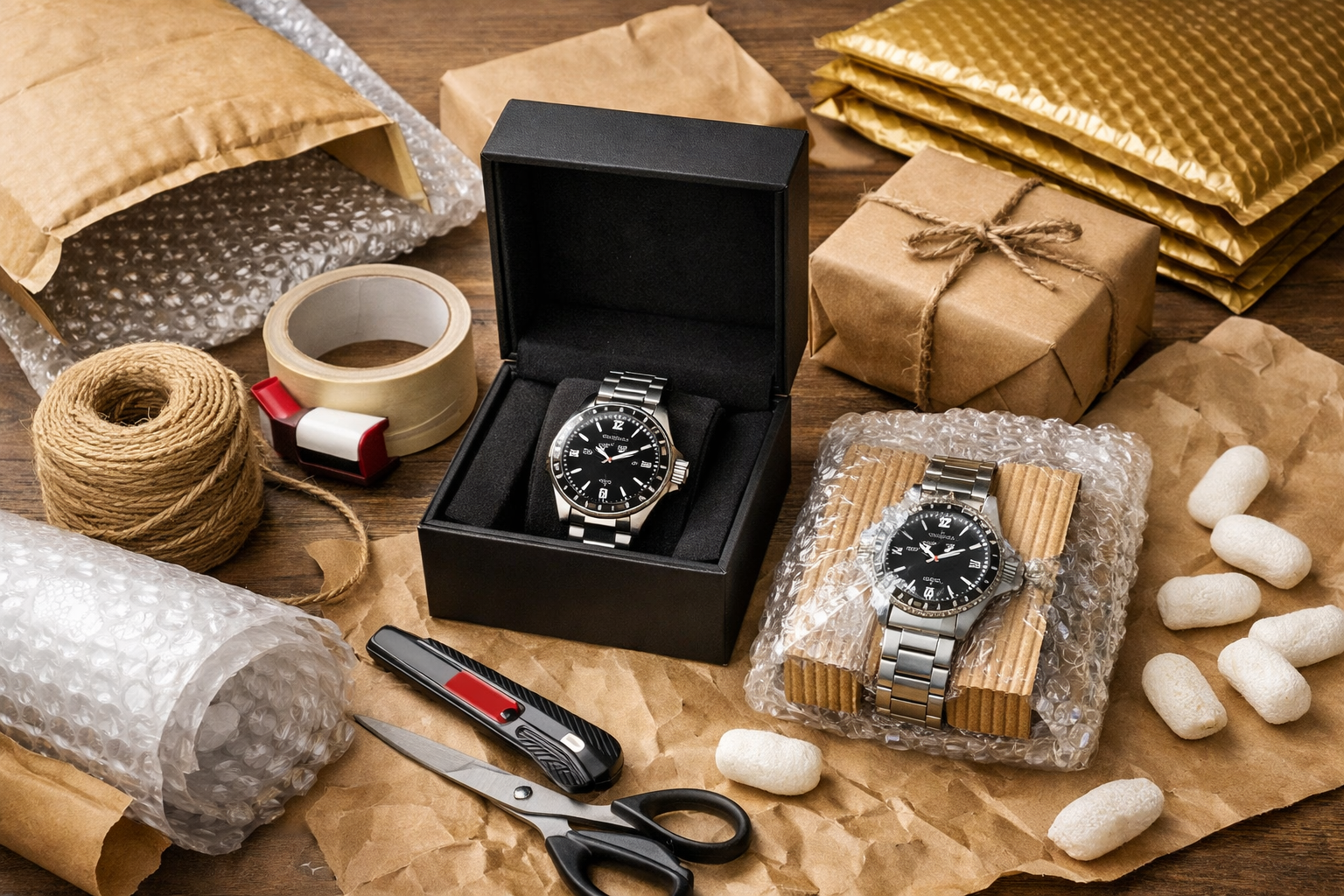
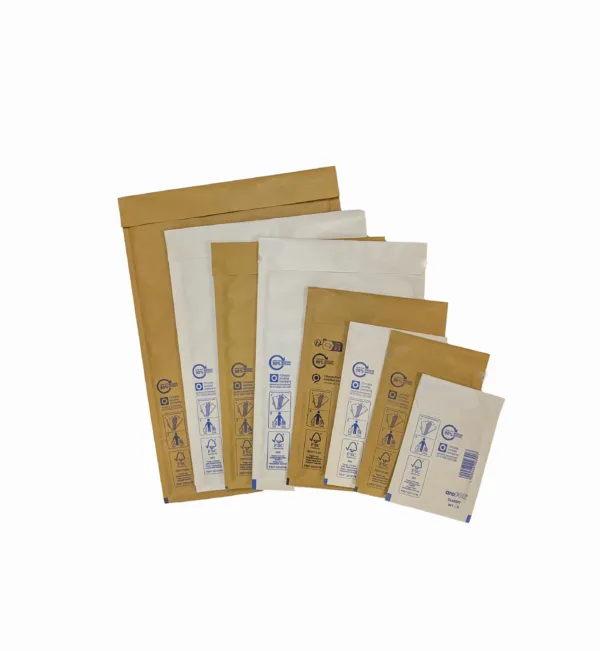
In many packing setups, a soft insert or wrap is used to keep the watch from shifting. For smaller shipments, bubble mailers are sometimes added as an extra layer. They help absorb light impact without making the parcel bulky.
This kind of cushioning works best when it fits closely. Too loose, and it won’t do much. Too tight, and it can put pressure on the watch.
Outer Wrapping That Keeps Everything Together
Once the inside is secure, the next step is to hold the entire parcel in place.
Parcel wrap is often used for this. It keeps the box compact and adds a slight buffer against handling. It’s not there to absorb heavy impact—it’s there to keep everything from loosening during transit.
In packing lines, this step is quick but consistent. It helps maintain the parcel’s structure from start to finish.
Paper Layers That Prevent Surface Wear
There’s also the risk of surface damage—marks, scuffs, or scratches caused by friction.
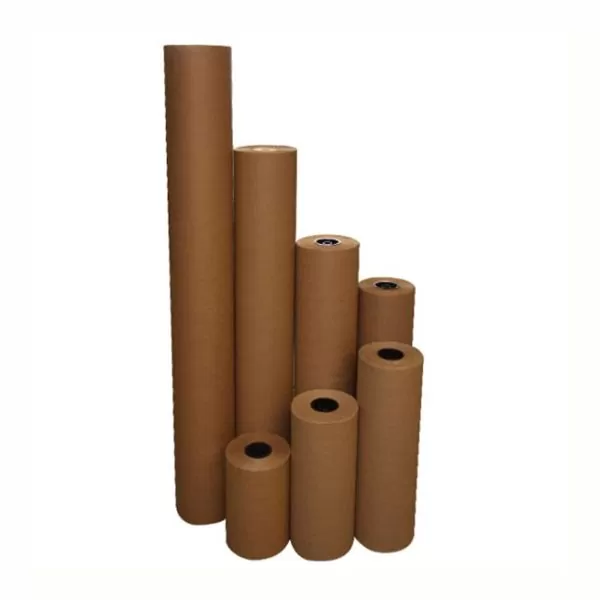
This is where brown parcel paper comes in. It’s simple, but it does the job. It adds a layer between the box and external contact, reducing the chances of visible wear.
It’s often used because it’s easy to apply and doesn’t interfere with how the parcel is handled or stacked.
Strong Outer Structure for transport
The final layer is the box itself. It needs to stay firm even when other parcels are stacked on top of it.
Reliable packaging materials are used to ensure the box doesn’t bend or lose shape. If the outer layer weakens, everything inside becomes more vulnerable.
In shipping operations, this is treated as a basic requirement rather than an upgrade.
Why Can Too Much Packaging Cause Problems?
It might seem safer to add more layers, but that can backfire.
Extra material often creates:
- More space inside the parcel
- Uneven pressure on the item
- Higher shipping weight without real benefit
In practical terms, overpacking usually means less control. A compact, well-fitted setup works better than a large box filled with unnecessary filler.
How Do Experienced Packing Teams Handle High-Value Items?
They follow a routine that doesn’t change much, regardless of the item.
The focus stays on a few key points:
- Keep the item completely still
- Use materials that fit properly, not loosely
- Make sure the outer box holds its shape
In facilities that handle electronics and precision goods, this approach is standard. It reduces guesswork and keeps results consistent.
What Mistakes Tend to Cause the Most Damage?
Most issues don’t come from poor materials. They come from small oversights.
Common problems include:
- Leaving empty gaps inside the box
- Using a carton that’s too large
- Skipping internal support
- Sealing the box too quickly without checking
These are easy to miss when packing in a hurry, but they make a noticeable difference during transit.
Does Packaging Really Affect How an Item Is Perceived?
Yes, especially with high-value products. When a watch arrives in secure, well-organised packaging, it reflects care. It suggests that attention was given not just to the product, but to the entire process.
On the other hand, loose or poorly packed parcels create doubt, even if the watch itself is intact.
In premium product handling, packaging is part of the experience, not just a protective step.
Conclusion
Shipping a luxury watch isn’t complicated, but it does require the right approach. The focus isn’t on adding more—it’s on doing the basics properly. When movement is controlled and materials are used with purpose, the risk of damage drops significantly. Using practical solutions like parcel wrap, brown parcel paper, bubble mailers, and dependable packaging materials helps keep everything secure without overdoing it. In the end, it’s careful packing—not excessive packing—that makes the difference.