Emerging Trends in Commercial Trucks Service Management
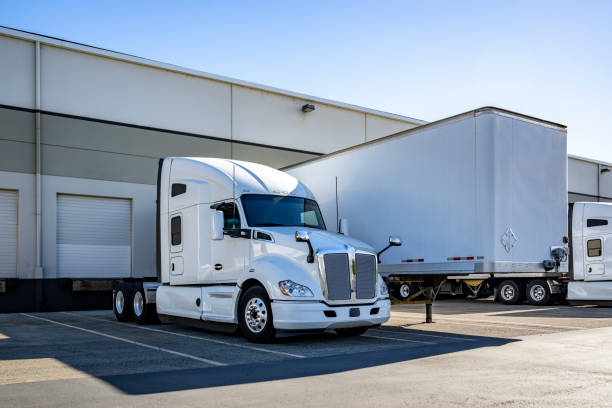
The commercial trucking industry is undergoing significant transformation as technology, data analytics, and proactive maintenance strategies reshape service management practices. Fleet operators today face increasing pressure to maximize uptime, improve vehicle performance, reduce operational costs, and meet evolving safety standards. As a result, service management has become a critical component of successful transportation operations.
Modern service management extends beyond routine maintenance. It now includes predictive diagnostics, fleet monitoring, digital service records, and real-time communication systems designed to improve efficiency and reliability. Industry professionals continue to adopt innovative solutions that support better decision-making and long-term asset management.
Businesses such as 24/7 Truck & Trailer Road Service understand that effective service management requires a combination of technical expertise, advanced tools, and a commitment to preventive maintenance. These factors help ensure that commercial vehicles remain operational while minimizing costly breakdowns and unexpected repairs.
Industry experts consistently emphasize that organizations investing in modern service strategies gain a competitive advantage through improved fleet performance, enhanced safety, and lower maintenance expenses. Understanding these emerging trends is essential for transportation companies seeking sustainable growth in a demanding market.
The Shift Toward Data-Driven Service Management
Technology is changing how maintenance decisions are made across the trucking industry. Data-driven systems provide valuable insights into vehicle performance and service requirements.
Real-Time Fleet Monitoring
Advanced telematics systems continuously collect information about engine performance, fuel consumption, vehicle location, and driver behavior. This data allows fleet managers to identify maintenance needs before serious problems develop.
Digital Maintenance Records
Paper-based service logs are rapidly being replaced by digital maintenance platforms. These systems improve record accuracy, simplify compliance tracking, and provide instant access to vehicle histories.
Performance Analytics
Service managers now rely on analytics tools to evaluate repair trends, maintenance costs, and component performance across entire fleets.
Predictive Maintenance Is Becoming the Industry Standard
Predictive maintenance has emerged as one of the most important developments in commercial truck service management.
Early Fault Detection
Sensors and diagnostic software monitor critical systems such as engines, brakes, transmissions, and electrical components. Early warnings allow repairs to be completed before breakdowns occur.
Reduced Downtime
Predictive maintenance helps prevent unexpected failures, keeping trucks on the road and reducing service interruptions.
Better Resource Allocation
Fleet operators can schedule repairs strategically, improving labor utilization and reducing emergency maintenance expenses.
The Growing Role of Telematics Technology
Telematics systems have become a valuable asset for fleet maintenance programs.
Vehicle Health Monitoring
Connected technologies provide continuous updates on engine condition, battery performance, fuel efficiency, and other operational metrics.
Remote Diagnostics
Technicians can access fault codes remotely, helping identify issues before a vehicle arrives at a service facility.
Improved Decision-Making
Real-time information supports more informed maintenance planning and operational management.
Advances in Truck Diagnostic Systems
Modern diagnostic technology has significantly improved service accuracy and efficiency.
Enhanced Fault Code Analysis
Today’s diagnostic tools provide detailed information about system malfunctions, helping technicians identify root causes quickly.
Faster Repairs
Accurate diagnostics reduce troubleshooting time and allow maintenance teams to focus directly on the affected components.
Increased Vehicle Reliability
Routine diagnostic evaluations help prevent recurring mechanical issues and support long-term vehicle performance.
Mobile Service Solutions Are Expanding
The demand for mobile maintenance services continues to increase throughout the trucking industry.
On-Site Repairs
Mobile service units can perform many repairs directly at breakdown locations, reducing towing requirements and downtime.
Roadside Assistance Integration
Service management programs increasingly include roadside support to address unexpected issues quickly and efficiently.
Greater Operational Flexibility
Mobile maintenance solutions provide convenience for fleets operating across large geographic areas.
The Importance of Compliance and Safety Management
Safety remains a top priority for commercial transportation companies.
Regulatory Compliance Tracking
Digital service management systems help ensure vehicles meet inspection requirements and maintenance standards.
Improved Brake and Tire Monitoring
Regular monitoring of critical safety components helps reduce accident risks and improve vehicle reliability.
Driver Safety Support
Well-maintained vehicles contribute to safer operating conditions and better driver confidence on the road.
Sustainability Influencing Service Strategies
Environmental considerations are becoming an important factor in fleet management decisions.
Fuel Efficiency Improvements
Proper maintenance improves engine efficiency and reduces fuel consumption.
Reduced Emissions
Modern service practices help ensure emissions systems operate effectively and comply with environmental regulations.
Extended Equipment Lifespan
Preventive maintenance reduces unnecessary component replacement and supports sustainable asset management.
Workforce Development and Technician Training
As vehicle technology advances, technician expertise becomes increasingly important.
Continuous Education
Technicians require ongoing training to understand new diagnostic systems and vehicle technologies.
Specialized Skill Development
Modern commercial vehicles include advanced electronic systems that demand specialized repair knowledge.
Improved Service Quality
Well-trained technicians contribute to more accurate diagnostics, faster repairs, and higher customer satisfaction.
Future Trends Shaping Service Management
Industry experts expect continued innovation in commercial truck maintenance and service operations.
Artificial Intelligence Applications
AI-powered systems are being developed to predict maintenance needs with greater accuracy and efficiency.
Connected Vehicle Networks
Future vehicles will share performance data automatically, improving maintenance planning and service coordination.
Automated Maintenance Scheduling
Advanced software platforms will increasingly automate maintenance scheduling based on vehicle condition and operational data.
Why Professional Service Management Matters
Effective service management requires more than simply repairing vehicles when problems occur. It involves proactive planning, accurate diagnostics, skilled technicians, and strategic maintenance scheduling. Organizations that embrace modern service management practices can improve fleet reliability, control operating costs, and enhance overall business performance.
Professional service providers understand the complexities of commercial vehicle maintenance and use proven methods to keep fleets operating efficiently. Their expertise supports long-term operational success while helping businesses navigate an increasingly competitive transportation environment.
Conclusion
Emerging technologies and data-driven strategies are transforming the future of fleet maintenance. From predictive diagnostics and telematics systems to mobile repair solutions and advanced analytics, modern service management continues to improve operational efficiency and vehicle reliability. Businesses seeking dependable maintenance solutions can benefit from professional commercial trucks service in Anaheim CA to support long-term fleet performance and minimize downtime.
FAQs
What is commercial truck service management?
It involves planning, monitoring, and maintaining commercial vehicles for optimal performance.
Why is predictive maintenance important?
It helps identify problems early and reduces unexpected breakdowns.
How do telematics improve fleet maintenance?
They provide real-time vehicle data for better maintenance decisions.
What are the benefits of mobile truck service?
It reduces downtime by performing repairs directly on-site.
How does service management improve fleet efficiency?
It supports proactive maintenance, lowers costs, and increases vehicle reliability.