Why Emotional Intelligence Is a Life Skill
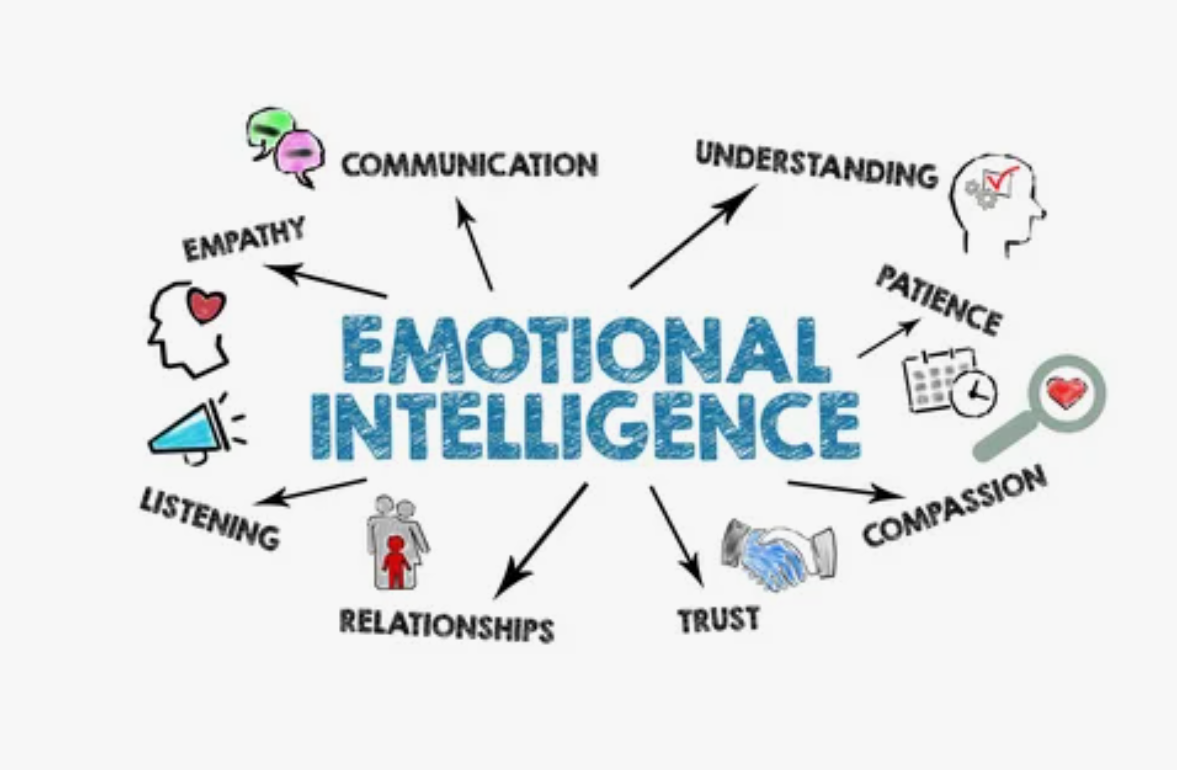
Traditional intelligence gets most of the attention. IQ scores, academic achievement, and standardized tests dominate how we talk about ability. But research over the past three decades has consistently shown that another kind of intelligence often matters more for how life actually goes. Emotional intelligence, sometimes called EQ, has become one of the most studied predictors of success in relationships, at work, and in leadership.
The framing of EQ as a life skill matters. It is not a personality type. It is a set of skills that can be built at any age.
What Emotional Intelligence Actually Is
The concept was popularized by psychologist Daniel Goleman in the 1990s, though the underlying ideas go back further. Goleman identified five main components of emotional intelligence, and each remains a useful frame for the skill.
Self-Awareness
The ability to recognize your own emotions as they happen, name them accurately, and see how they influence your thinking and behavior. This is the foundation. Without it, the other components cannot develop.
Self-Regulation
The ability to manage your emotional responses rather than being managed by them. This is not about suppressing feelings. It is about having space between feeling and action.
Motivation
Not just wanting things, but being able to sustain effort toward long term goals in the face of setbacks. This includes optimism, drive, and follow through.
Empathy
The ability to sense what other people are feeling and to see situations from their point of view. Empathy is not the same as agreeing. It is being able to accurately perceive the emotional reality of someone else.
Social Skills
The ability to build and maintain relationships, work well with others, and handle conflict. This ties the other components together and turns them into visible behavior.
Why It Matters More Than IQ in Many Contexts
Research from organizations like the Consortium for Research on Emotional Intelligence in Organizations has consistently found that EQ is a stronger predictor of workplace success than IQ, especially in leadership roles.
The reason is not that intelligence does not matter. It does. The reason is that above a certain baseline of intelligence, what sets people apart is their ability to work with others, manage themselves under pressure, and read situations accurately.
The same holds for relationships. Two smart people can have a terrible marriage if they cannot manage their emotions or hear each other. Two average IQ people with strong EQ can build something that lasts.
Where EQ Shows Up in Real Life
The application of emotional intelligence is broad. It shows up in places people do not always recognize.
At Work
The person who can deliver hard feedback without damaging the relationship. The manager whose team stays through hard quarters. The colleague everyone wants to work with. These are not accidents. They are EQ in action.
In Parenting
The parent who can stay calm when their kid loses it. The parent who can see the feeling behind the behavior rather than reacting to the behavior alone. The parent who can repair after a conflict rather than pretending nothing happened.
In Marriage & Long-Term Relationships
The partner who can sit with their own disappointment without turning it into blame. The partner who can hear something hard without going on defense. The partner who apologizes without conditions.
In Friendship
The friend who notices when something is off and asks about it. The friend who can be honest about their own limits. The friend who can hold your bad day without needing to fix it.
In Yourself
The person who can spend time alone without spiraling. The person who can face a hard truth about themselves and stay in the room. The person who can be sad without shutting down and happy without hiding it.
The Good News: It Can Be Built
Unlike IQ, which is relatively stable across life, emotional intelligence is highly trainable. People who work on it, in any of the five areas, tend to see real gains.
Building Self-Awareness
Pay attention to what you feel in the moment, especially in reactive situations. Name the feeling. Notice how it affects what you say and do. Writing helps. So does slowing down.
Building Self-Regulation
Practice the pause between feeling and action. Even a few seconds of space changes what happens next. Slow breathing helps. So does knowing your triggers so you can plan around them.
Building Motivation
Work on the internal narrative you carry about difficulty. Do you frame setbacks as personal failure or as information? Do you keep going after a bad day or shut down? These patterns can be adjusted with awareness and practice.
Building Empathy
Practice curiosity about other people’s inner worlds. When someone reacts strongly, ask yourself what might be under the reaction. Read widely, watch carefully, and stay with people whose experience is different from yours.
Building Social Skills
Practice hard conversations rather than avoiding them. Learn to give and receive feedback. Notice how you land in group settings and adjust when needed.
Where Support Fits
For people who want to build emotional intelligence but keep running into the same patterns, working with counselors can help. Practices such as Artisan Counseling in Virginia often see clients whose emotional patterns were set by early experiences and who are now trying to build skills that were not modeled for them growing up.
Counselors provide both the language and the safe practice space that emotional intelligence work requires. Skills that are hard to learn from a book become easier to build when someone is helping you notice your patterns in real time.
Key Takeaway
Emotional intelligence is one of the highest leverage skills you can develop. It affects how you work, how you love, how you parent, and how you experience being alive. It is not fixed at birth. It is built through attention and practice, and it pays back into every relationship and every situation you find yourself in.