Best Doctors in Dubai: Sculptra Fillers and Body Skin Differences
Body skin differs significantly from facial skin in thickness, elasticity, underlying tissue structure, and response to ageing. These differences influence how aesthetic treatments should be planned, particularly when considering collagen-stimulating injectables such as Sculptra. The Best Doctors in Dubai approach treatment planning by considering the intended area, skin condition, individual anatomy, medical history, and realistic expectations rather than applying one technique to every body region.
Sculptra contains poly-L-lactic acid (PLLA), a biocompatible material that stimulates the body’s collagen production over time. Unlike conventional fillers that primarily provide immediate volume, sculptra fillers are designed to encourage gradual changes in tissue support. However, results vary according to the treatment area, individual response, product suitability, and injection technique.
Understanding these factors is essential when exploring sculptra in dubai, where patients may seek facial rejuvenation, improved skin quality, or changes in selected body contours. At Perfect Doctors Clinic, Dr Perfect Celebrity can assess individual goals and explain whether Sculptra is appropriate, including its potential benefits, limitations, risks, and alternatives.
Understanding Body Skin Differences Before Sculptra Treatment
Body skin is not uniform. The face, neck, buttocks, hips, abdomen, and thighs each have different structural characteristics. Consequently, an approach suitable for one area may not be appropriate for another.
Skin Thickness and Tissue Structure
Skin thickness varies across the body. Facial areas contain different amounts of fat, connective tissue, and supporting structures, while the buttocks and hips have distinct patterns of subcutaneous fat and muscular support. The abdomen may also experience stretching following pregnancy, significant weight changes, or ageing.
These differences influence aesthetic planning because the same injectable product may behave differently depending on tissue characteristics and injection depth. A qualified medical professional must understand the anatomy of the intended area before recommending treatment.
Elasticity and Collagen Changes
Collagen helps provide structural support and firmness. As collagen production changes with age, skin may gradually lose some of its resilience. Sun exposure, smoking, weight fluctuations, genetics, and hormonal changes can also influence skin quality.
Sculptra aims to stimulate collagen production rather than simply conceal surface changes. Nevertheless, it cannot completely reverse advanced skin laxity, remove excess skin, or replace surgical procedures when substantial structural correction is required.
Why Individual Assessment Matters
Before recommending sculptra injections, a practitioner should evaluate:
- Skin thickness, elasticity, and existing laxity.
- The amount and distribution of underlying fat.
- Previous cosmetic procedures and any resulting complications.
- Medical history, medications, allergies, and relevant risk factors.
- The patient’s goals and expectations.
- Whether another treatment or no treatment would be more suitable.
This assessment helps establish a plan based on individual anatomy instead of assumptions about a particular age group or body type.
How the Best Sculptra Fillers Doctors in Dubai Personalize Sculptra Fillers
Personalization involves more than selecting an injection site. Best Sculptra Fillers Doctors in Dubai consider whether the product is suitable, define realistic goals, choose an appropriate technique, and plan follow-up care for each patient.
Evaluating the Treatment Area
The Best Doctors in Dubai consider the differences between facial and body tissue before recommending collagen-stimulating treatment. A facial area may require careful attention to delicate structures and subtle proportions, whereas body contouring requires consideration of broader tissue distribution and movement.
A consultation should explain the intended treatment area, the product’s approved uses, and whether the proposed application is supported by appropriate evidence and local regulations.
Selecting Appropriate Treatment Goals
Different concerns require different solutions. Someone seeking gradual improvement in selected aspects of skin quality may have different needs from someone seeking substantial volume enhancement or correction of excess skin.
A treatment plan should distinguish between:
- Improving selected aspects of skin firmness and texture.
- Addressing volume loss in an appropriate treatment area.
- Creating changes in body contour.
- Managing significant skin laxity.
- Treating surface pigmentation or textural concerns that may require other methods.
Sculptra is not a universal solution for these concerns. Choosing the correct objective helps prevent unrealistic expectations and unnecessary treatment.
Planning Gradual Results
Collagen stimulation takes time. Changes generally develop progressively over weeks and months rather than appearing immediately after an injection. Depending on the indication and individual response, a treatment course may involve multiple sessions.
The number and spacing of sessions should be determined by a qualified practitioner. Additional injections should not be automatic; each follow-up should consider the patient’s response, safety, and whether further treatment is justified.
Sculptra Face and Body Applications: Important Differences
Although Sculptra is associated with facial rejuvenation, some patients also ask about its potential use in selected body areas. These applications should be evaluated separately because evidence, product authorization, injection techniques, and risks may differ.
Sculptra Face for Facial Tissue Support
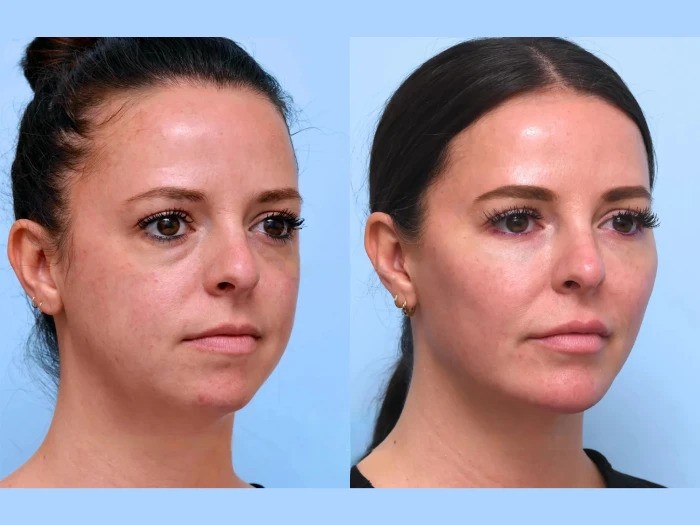
sculptra face treatments are intended to stimulate collagen in appropriately selected facial areas. Facial assessment considers proportions, existing volume, skin quality, and the relationship between different features.
For example, sculptra cheeks may be discussed when a patient is concerned about selected forms of facial volume loss or reduced tissue support. However, facial anatomy requires precise treatment planning, and not every cheek concern is best addressed with Sculptra.
A consultation should also consider whether skin care, another injectable treatment, or a different procedure would better match the desired result.
Sculptra for Buttocks and Body Contouring
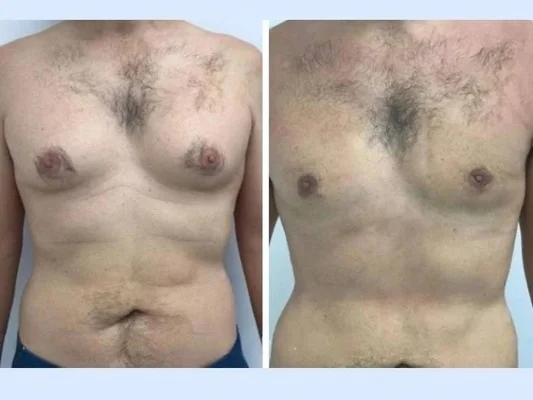
sculptra for buttocks is a phrase patients may use when researching non-surgical approaches to buttock contouring. The treatment objective may involve improving selected aspects of tissue quality or contour, but expectations must remain realistic.
Sculptra does not produce the same type of predictable, substantial enlargement as surgical buttock augmentation. It also cannot guarantee correction of cellulite, major asymmetry, or significant skin laxity.
Before considering buttocks sculptra,sculptra buttock injections, sculptra filler for buttocks patients should discuss the evidence supporting the proposed use, the product’s authorization for that area, the practitioner’s relevant training, and the possibility of complications.
Sculptra for Hip Dips
sculptra for hip dips,is another search term associated with body contouring. Hip dips are natural indentations around the transition between the hips and thighs. Their appearance is influenced by pelvic anatomy, muscle distribution, and the pattern of underlying fat.
These indentations are not necessarily a medical or aesthetic problem. When a patient wishes to alter their appearance, an assessment should establish whether the concern relates to anatomy, volume distribution, skin quality, or expectations that an injectable treatment cannot reliably meet.
Any proposed treatment should be discussed in terms of evidence, suitability, potential risks, and alternatives rather than promises of a particular contour.
Sculptra for Neck Skin
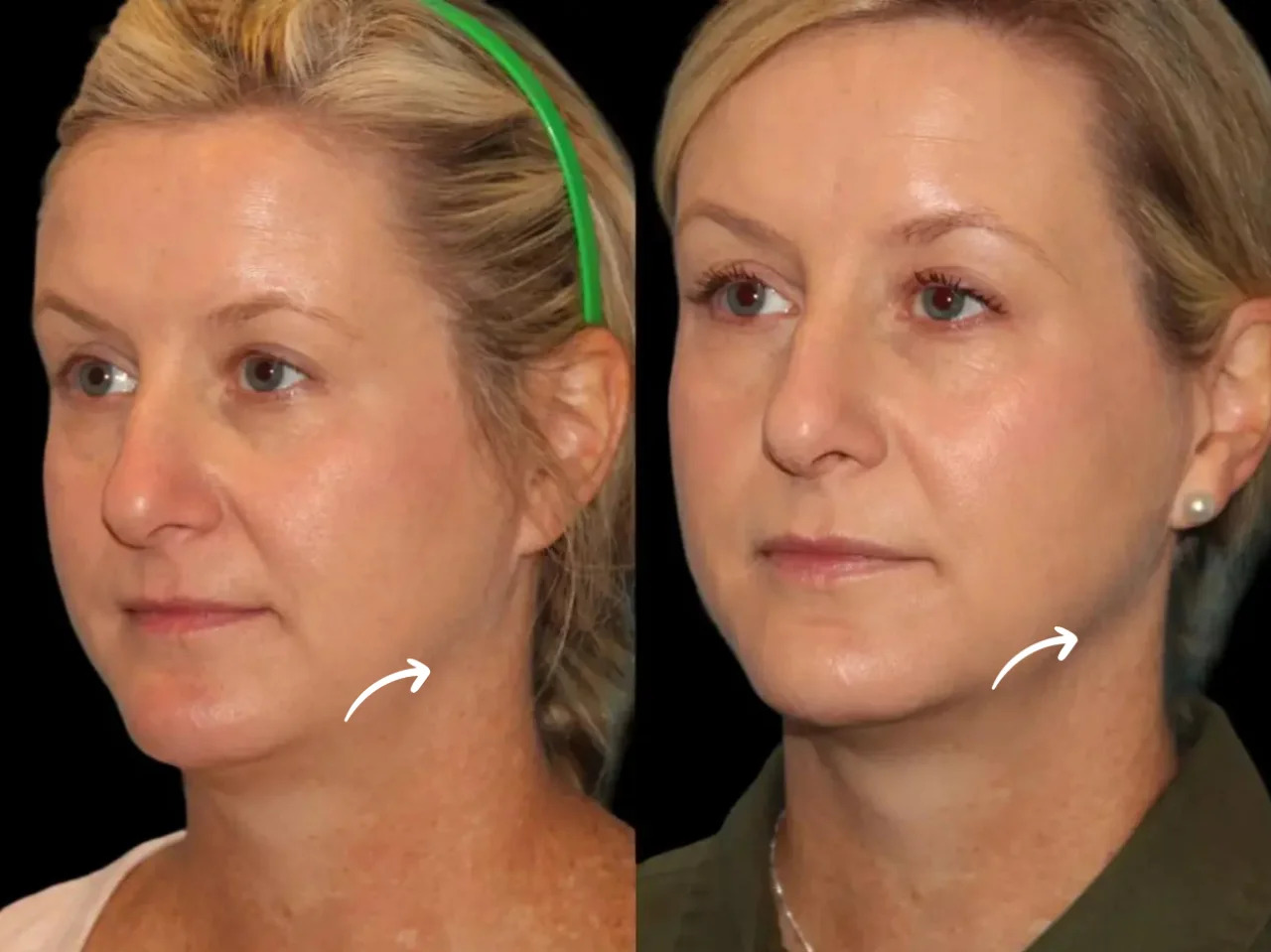
sculptra for neck concerns require separate evaluation because the neck has delicate structures and may develop fine lines, laxity, or textural changes for different reasons.
Sun protection, appropriate skincare, and selected medical treatments may help address certain neck concerns. Sculptra should only be considered when the proposed application is appropriate and supported by suitable clinical guidance. It should not be assumed to correct pronounced loose skin or every type of neck line.
Sculptra Dermal Filler and Collagen Stimulation
The term sculptra dermal filler is commonly used to describe Sculptra, but its collagen-stimulating action distinguishes it from many conventional hyaluronic acid fillers.
How PLLA Works
After appropriate administration, PLLA stimulates a controlled biological response that encourages collagen production. Over time, this may contribute to changes in tissue support and selected aspects of skin quality.
The outcome depends on factors such as the treated area, individual collagen response, treatment technique, and adherence to aftercare instructions.
Sculptra is not a skincare product and should not be treated as an interchangeable substitute for every type of dermal filler.
What Results Can Patients Expect?
Patients should understand that:
- Improvements develop gradually rather than immediately.
- Several sessions may be recommended when clinically appropriate.
- Results vary between individuals and treatment areas.
- Some concerns may respond better to other procedures.
- No practitioner can guarantee a particular aesthetic outcome.
A careful consultation should establish how success will be assessed and when the result should be reviewed.
Safety Considerations for Sculptra Injections
Safety is central to choosing any injectable treatment. Even when a patient is suitable for treatment, complications may occur.
Possible Side Effects and Complications
Common short-term effects can include swelling, tenderness, redness, bruising, and discomfort around injection sites. More significant complications may include infection, persistent lumps, nodules, inflammatory reactions, or other tissue changes.
The risk profile depends partly on the anatomical area, the technique used, and the patient’s individual circumstances. Incorrect placement or inappropriate use can increase the likelihood of complications.
Patients should seek prompt medical assessment if they develop worsening pain, spreading redness, fever, unusual skin discoloration, or other concerning symptoms after treatment.
Medical History and Treatment Eligibility
A thorough assessment should cover relevant medical conditions, allergies, previous injections, current medications, and any history of abnormal reactions to cosmetic procedures.
Pregnancy, breastfeeding, active infection, and certain medical conditions may affect treatment eligibility or timing. Patients should disclose all relevant information and follow individualized medical advice.
Aftercare and Follow-Up
Aftercare instructions should be specific to the treatment performed. Patients should not assume that recommendations for facial injections automatically apply to body procedures.
A responsible follow-up plan may include:
- Written instructions about expected reactions and warning signs.
- Guidance on activity restrictions, if applicable.
- Clear directions for contacting the treating professional.
- A scheduled review to evaluate progress.
- Advice on whether further treatment is appropriate.
Patients should follow the practitioner’s instructions regarding massage or other aftercare measures rather than applying generic advice to every treatment area.
Understanding Sculptra Cost and Price in Dubai
The sculptra cost varies according to the treatment area, the number of sessions recommended, the amount of product required, the complexity of the procedure, and the professional care involved.
Factors That Influence Sculptra Price
The sculptra price may depend on:
- The size and anatomical characteristics of the treatment area.
- The treatment objective and degree of correction sought.
- The number of sessions included in the plan.
- The practitioner’s qualifications and relevant experience.
- Consultation, follow-up, and aftercare arrangements.
- The need for additional assessment or alternative procedures.
Patients comparing prices should ask for a clear breakdown of what is included. A low initial quote may not reflect the total cost of a multi-session treatment course.
Questions to Ask Before Treatment
During a consultation at Perfect Doctors Clinic, patients can ask Dr Perfect Celebrity about product suitability, treatment planning, expected outcomes, possible complications, and the total anticipated cost.
It is also reasonable to ask about product traceability, practitioner credentials, the evidence supporting treatment in the intended area, and the arrangements for managing complications.
Choosing the Right Sculptra Clinic in Dubai
Choosing a provider requires more than comparing marketing claims. Patients researching Celebrity Clinics in Dubai or Celebrity Doctors In Dubai should apply the same standards of medical evaluation and informed decision-making that they would use for any aesthetic procedure.
What to Evaluate in a Provider
Consider whether the clinic:
- Conducts a detailed medical and anatomical assessment.
- Explains realistic benefits and limitations.
- Discusses alternatives, including no treatment.
- Provides transparent pricing and treatment information.
- Uses appropriately sourced products.
- Explains risks and offers a clear follow-up process.
The phrase Best Sculptra Fillers Doctors in dubai may be useful when researching providers, but promotional descriptions alone cannot establish clinical suitability or treatment quality.
Consultation at Perfect Doctors Clinic
At Perfect Doctors Clinic, Dr Perfect Celebrity can discuss the differences between facial and body skin, review the patient’s objectives, and explain whether Sculptra is appropriate for the proposed treatment area.
The consultation should help patients understand what the treatment can realistically achieve, which concerns may require another approach, and what risks must be considered before proceeding.
Patients should feel comfortable asking questions, requesting time to consider their options, and declining treatment if they are uncertain.
Conclusion
Body skin differences play an important role in planning collagen-stimulating treatments. Variations in thickness, elasticity, underlying fat, anatomy, and tissue support mean that facial rejuvenation and body contouring cannot be approached in exactly the same way.
The Best Doctors in Dubai should assess these differences before recommending Sculptra, establish realistic treatment goals, and explain the evidence, limitations, costs, and risks associated with the proposed application. Whether patients are researching sculptra face, sculptra cheeks, sculptra for buttocks, sculptra for hip dips, or sculptra for neck, the suitability of treatment must be evaluated individually.
At Perfect Doctors Clinic, Dr Perfect Celebrity can help patients explore appropriate options through an individualized consultation. Informed decisions, careful anatomical assessment, appropriate product use, and ongoing follow-up are essential to responsible aesthetic care.
Frequently Asked Questions
1. Why do body skin differences matter when planning Sculptra fillers?
Body skin varies in thickness, elasticity, underlying fat, and structural support. These differences influence treatment suitability, injection planning, expected outcomes, and potential risks. An individualized assessment is therefore essential.
2. How do the Best Doctors in Dubai assess Sculptra suitability?
They should review the treatment area, medical history, skin condition, previous procedures, medications, allergies, and desired outcome. They should also explain the evidence, limitations, alternatives, and possible complications before treatment.
3. Is Sculptra suitable for every body area?
No. Suitability depends on the anatomical area, product authorization, available clinical evidence, and individual circumstances. A treatment that is appropriate for one area may not be suitable for another.
4. Can Sculptra for buttocks create substantial enlargement?
Sculptra should not be presented as a guaranteed method of substantial buttock enlargement. Its potential effects differ from those of surgical augmentation, and any proposed body application requires careful evaluation of evidence, authorization, and safety.
5. Can Sculptra for hip dips change the shape of the hips?
It may be discussed in selected body-contouring consultations, but results are not guaranteed. Hip dips are influenced by natural skeletal and soft-tissue anatomy, and an injectable may not achieve the contour a patient expects.
6. How does Sculptra face treatment differ from body treatment?
Facial treatment focuses on facial anatomy, proportions, and tissue support. Body applications involve different structures, treatment areas, and safety considerations. Product suitability and technique must be assessed separately for each area.
7. When do Sculptra fillers show results?
Results develop gradually as collagen production changes over time. The timing and degree of improvement vary between individuals, and some patients may require multiple sessions when clinically appropriate.
8. What factors affect Sculptra cost in Dubai?
Cost can depend on the treatment area, product quantity, number of sessions, practitioner expertise, consultation fees, and follow-up arrangements. Patients should request a transparent estimate of the complete treatment plan.
9. What side effects can occur after Sculptra injections?
Temporary swelling, redness, bruising, tenderness, and discomfort may occur. Lumps, nodules, infection, and other complications are also possible. Patients should receive clear aftercare instructions and know when to seek medical attention.
10. What should I ask before choosing a Sculptra clinic in Dubai?
Ask about practitioner qualifications, product authorization, evidence for the intended treatment area, expected outcomes, risks, alternatives, total cost, and follow-up care. A responsible consultation should provide clear answers without pressuring you to proceed.