Localised Fat Concerns: Lemon Bottle Fat Dissolving in London
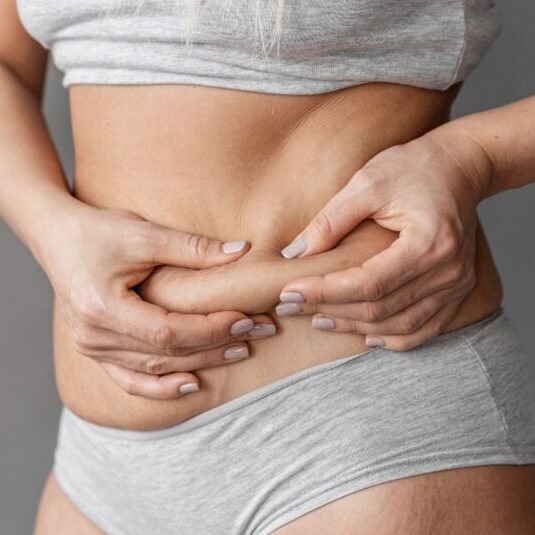
Body confidence is often connected to how comfortable people feel with their natural proportions. However, certain areas of localised fat can attract attention even when someone maintains a balanced lifestyle and feels generally happy with their appearance. Small pockets around the chin, jawline, abdomen, upper arms and thighs may create differences in body contours that people find difficult to understand.
In London, interest in non-surgical aesthetic procedures has encouraged more people to explore the options associated with targeted fat reduction. Among the treatments discussed online is Lemon Bottle Fat Dissolving in London, a procedure marketed for addressing specific areas of localised fat. Its popularity has also created an important conversation about treatment suitability, product safety, clinical evidence and realistic expectations.
Understanding these considerations is essential before making any aesthetic decision. Rather than focusing entirely on changing a particular area, individuals should consider their natural body structure, the reasons behind their concerns and whether an appropriate, evidence-supported option exists.
What Does Localised Fat Actually Mean?
Localised fat describes fat deposits that appear more noticeable in particular areas of the body. These deposits are influenced by several factors, including genetics, body composition, natural ageing and individual fat distribution.
Importantly, localised fat is not necessarily an indication of poor health or an unhealthy lifestyle. People with different body shapes can experience similar concerns, and the distribution of fat varies considerably between individuals.
Some commonly discussed areas include:
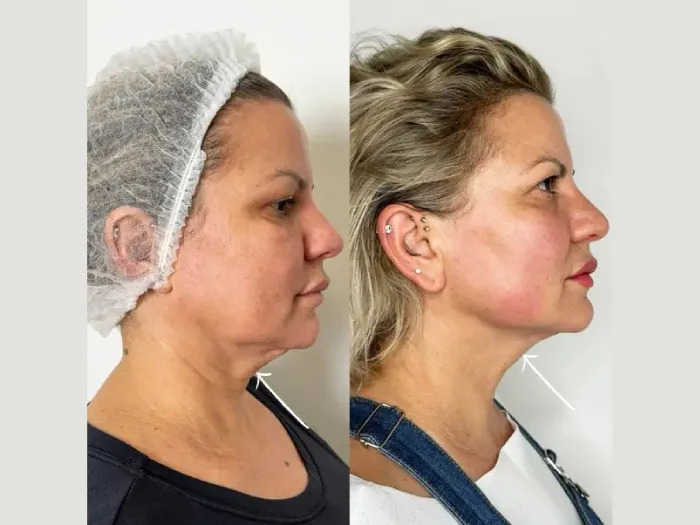
- Under the chin: A fuller appearance beneath the chin can influence the definition of the jawline and side profile.
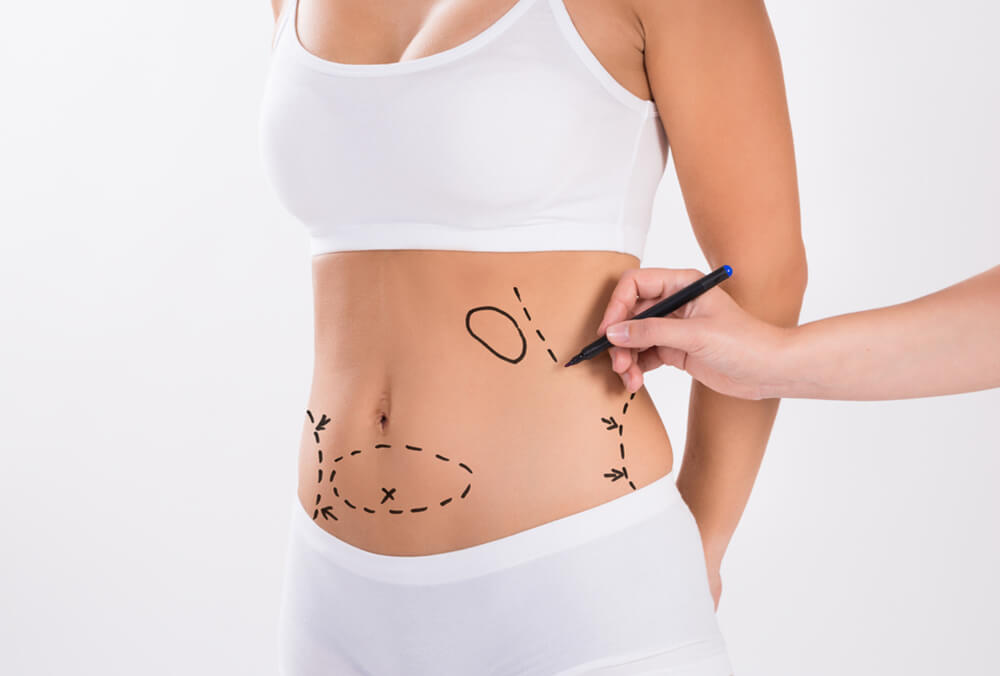
- Lower abdomen: Some individuals notice a concentrated area of fullness around the lower stomach.
- Upper arms: Localised fullness can affect how the upper arm appears in different clothing.
- Inner thighs: Differences in fat distribution can influence the natural contour of the thighs.
- Flanks: Areas around the waist and sides may appear more prominent depending on individual body proportions.
Recognising these differences helps establish a more realistic understanding of personal aesthetic concerns. Not every area of fullness represents the same underlying issue, and different concerns require different assessments.
Why Understanding the Cause Matters Before Considering Treatment
One of the most important steps in aesthetic planning is identifying what contributes to the appearance of a particular area.
For example, fullness beneath the chin may be associated with subcutaneous fat, skin laxity, natural facial anatomy or a combination of factors. Similarly, abdominal fullness can relate to several different elements, including fat distribution, posture and abdominal structure.
This distinction matters because a treatment marketed for localised fat concerns may not address every possible cause.
Before considering any injectable procedure, a qualified healthcare professional should assess:
- The precise location and characteristics of the concern.
- Whether the fullness is actually caused by subcutaneous fat.
- The condition and elasticity of the surrounding skin.
- Existing anatomical features and natural proportions.
- Relevant medical considerations and potential contraindications.
- Whether a non-invasive or alternative approach would be more appropriate.
A personalised assessment should prioritise suitability rather than assuming that every visible fat deposit requires an injectable treatment.
Understanding Lemon Bottle Fat Dissolving in London
Lemon Bottle has attracted attention through social media and aesthetic marketing, particularly for claims relating to targeted fat reduction.
The product is marketed as a fat-dissolving solution and is associated with areas such as the chin, abdomen, arms and thighs. However, popularity should never be confused with established clinical effectiveness.
Anyone researching Lemon Bottle Fat Dissolving in London should understand an important distinction: a product’s marketing description does not establish that it is clinically proven, authorised for injection or appropriate for cosmetic use.
There have also been significant international safety concerns. In March 2024, Swissmedic, Switzerland’s medicines regulator, warned against the injectable Lemon Bottle lipolysis solution. Laboratory testing of samples obtained from different sources identified differences between the declared and detected composition. The Finnish authorities also issued a warning about the product’s safety and composition.
These findings highlight why product verification and regulatory checks are essential before considering an injectable procedure.
Consumers should not rely solely on promotional videos, testimonials or claims of rapid results when evaluating any aesthetic product.
The Importance of Evidence and Product Safety
Safety should be the starting point of every cosmetic treatment discussion. This is particularly important when a product is administered through injections rather than applied externally.
An ingredient described as natural does not automatically make an injectable product safe. Its quality, formulation, sterility, manufacturing standards and suitability for the intended method of administration all matter.
Before considering a fat-dissolving product, individuals should seek clear answers to the following questions:
- Is the exact product intended and authorised for the proposed method of administration?
- Can its composition and manufacturing quality be independently verified?
- Is there reliable clinical research supporting its safety and effectiveness?
- What complications and adverse reactions are associated with its use?
- Is the practitioner appropriately qualified and insured?
- What arrangements are available for managing complications?
The evidence surrounding Lemon Bottle deserves particular attention. Swissmedic reported that its laboratory findings did not match the ingredients declared for the samples it examined. This is a significant reason to approach claims about the product cautiously.
The UK Advertising Standards Authority also requires health, beauty and slimming-related efficacy claims to be supported by appropriate evidence. Marketing statements should not create unrealistic expectations or present unproven outcomes as established facts.
Natural Body Proportions Should Guide Aesthetic Decisions
Aesthetic planning should not be based on the assumption that every individual needs a slimmer or more defined appearance.
Natural body proportions differ from person to person. The same area may appear different depending on posture, skeletal structure, skin quality and the distribution of surrounding tissue.
For example, someone concerned about the appearance of their jawline may benefit from understanding the role of facial anatomy before considering any procedure. Another individual concerned about abdominal fullness may need an assessment that distinguishes between skin laxity and subcutaneous fat.
A balanced approach involves looking at the complete area rather than focusing on one isolated feature.
Some important considerations include:
- Maintaining naturally balanced body contours.
- Understanding the relationship between skin quality and underlying tissue.
- Avoiding unnecessary cosmetic interventions.
- Recognising when an individual’s expectations may not be achievable.
- Choosing an approach based on medical suitability rather than social media trends.
The objective of responsible aesthetic planning should be informed decision-making, not pressure to achieve a particular body shape.
Consultation: The Foundation of Responsible Treatment Planning
A consultation is an opportunity to discuss concerns, understand available options and establish whether a proposed procedure is appropriate.
For people exploring Lemon Bottle Fat Dissolving in London, a consultation should go beyond discussing the appearance of a particular area. It should include an honest conversation about the product itself, available evidence, potential risks and the limitations of any proposed intervention.
A responsible consultation should address several areas.
1. Understanding individual concerns
The practitioner should listen carefully to the individual’s concerns and identify the specific area they wish to discuss. This helps distinguish personal preferences from assumptions created by online beauty trends.
2. Reviewing suitability
A proper assessment considers anatomy, skin condition, relevant medical history and potential contraindications. Not everyone is suitable for injectable cosmetic procedures.
3. Discussing available evidence
Individuals should receive clear information about what is scientifically established and what remains uncertain. Unsupported promises should never replace an honest explanation.
4. Explaining potential risks
Every injectable procedure requires an understanding of possible complications. These may include swelling, bruising, infection, allergic reactions and tissue damage, depending on the product and procedure.
5. Considering alternatives
Where an injectable treatment is unsuitable or insufficiently supported, discussing alternative approaches is an important part of responsible care.
Common Misconceptions About Fat-Dissolving Treatments
Online discussions can sometimes make aesthetic procedures appear simpler than they are. Understanding common misconceptions helps people make more informed decisions.
Misconception 1: All localised fat can be treated in the same way.
Different areas have different anatomical characteristics. A procedure that may be considered for one concern cannot automatically be applied to another.
Misconception 2: Natural ingredients guarantee safety.
The safety of an injectable depends on its complete formulation, manufacturing quality, intended use and clinical evidence, not simply whether its ingredients are described as natural.
Misconception 3: Popular treatments are always clinically established.
Social media attention and positive testimonials do not demonstrate medical effectiveness. Reliable research and appropriate regulatory oversight remain essential.
Misconception 4: Fat reduction and weight loss are identical.
Targeted cosmetic fat-reduction procedures are not general weight-management solutions. They should never be presented as substitutes for appropriate healthcare or sustainable lifestyle practices.
Misconception 5: Every individual is a suitable candidate.
An individual’s anatomy, skin condition, expectations and medical circumstances all influence whether a procedure is appropriate.
Choosing an Aesthetic Provider in London
London offers a wide range of aesthetic services, making it particularly important to evaluate providers carefully.
The quality of an aesthetic experience should not be judged entirely by promotional images or attractive treatment descriptions. Professional standards, transparent communication and responsible clinical decision-making deserve greater attention.
When researching an aesthetic provider, consider the following:
- Check the practitioner’s relevant qualifications and professional registration.
- Ask about their experience with the specific procedure being discussed.
- Verify the exact product and its intended use.
- Request clear information about potential risks and limitations.
- Understand how complications would be recognised and managed.
- Avoid providers who guarantee results or dismiss legitimate safety concerns.
- Ensure that consent and aftercare arrangements are explained clearly.
These considerations are particularly relevant when researching injectable procedures that have attracted international regulatory concerns.
Making Informed Choices About Body Contouring
Aesthetic treatments should always be approached with realistic expectations and an understanding of individual suitability. There is no single procedure that addresses every concern, and choosing not to undergo an injectable treatment can also be an appropriate decision.
People researching cosmetic options in London should take time to understand their concerns before making a commitment. An informed approach allows individuals to distinguish between marketing claims, established evidence and treatments that require further investigation.
Most importantly, responsible aesthetic care should respect natural body proportions and prioritise safety over trends.
Discover a Personalised Approach with My Pure Aesthetics
At My Pure Aesthetics, understanding individual aesthetic concerns is an important part of discussing suitable treatment options. People researching localised fat concerns can make enquiries to understand the importance of professional assessment, realistic expectations and informed choices.
If you are exploring aesthetic treatments in London, contact My Pure Aesthetics to discuss your concerns and obtain further information about available services and suitability.
Contact My Pure Aesthetics:
- Address: Putney Dental Surgery, 353 Upper Richmond Road, London SW15 5QJ
- Mobile: 020 3488 3020
- Email: info@mypureaesthetics.com
Making an informed decision begins with understanding your individual needs. A thoughtful, safety-conscious approach can help ensure that aesthetic choices are guided by reliable information, professional advice and respect for natural proportions.
For More Topics: https://overlypost.com/