A Manufacturer’s Guide to UHMW Plastic and Its Key Advantages
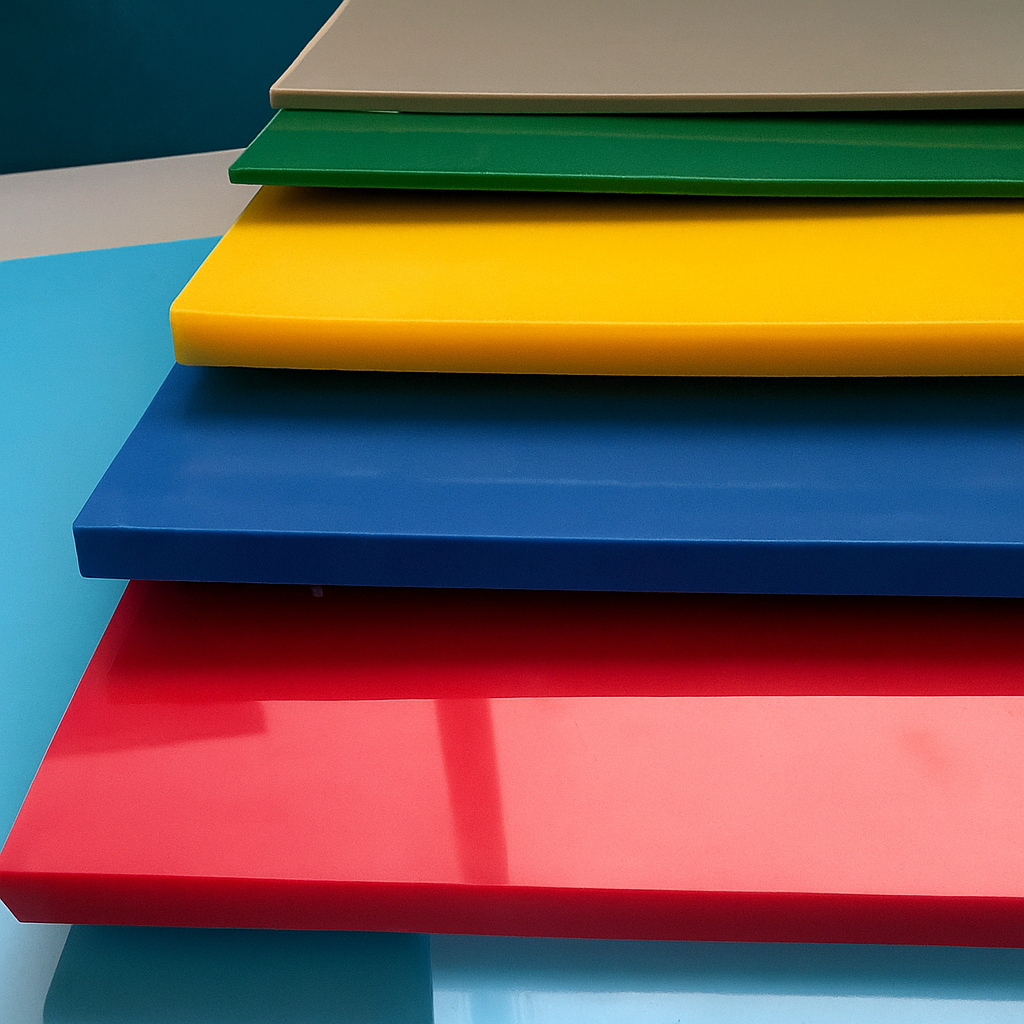
Many manufacturing teams face challenges such as equipment wear, component failures, and materials failing to withstand the demands of industrial environments. These issues lead to downtime, maintenance costs, and avoidable production delays. Ultra-high molecular weight polyethylene (UHMW) plastic offers a practical and dependable solution to these concerns. Its unique properties support long-term performance, reduce material failures, and enhance reliability across multiple sectors.
UHMW sheets have become a trusted material for manufacturers that need strength, wear resistance, and consistent performance. Its durability makes it a preferred choice for components exposed to continuous friction, impact, and movement. Understanding how UHMW functions and where it excels helps industrial teams select the right material for demanding operations.
What Makes UHMW Plastic Different?
UHMW is a polyethylene with an extremely high molecular weight. This structure gives the material several important characteristics:
- Low friction for smooth movement
- High impact resistance
- Strong resistance to chemical exposure
- Excellent abrasion and wear resistance
- Non-toxic and suitable for food-related use
- Stability across a wide temperature range
These advantages allow UHMW sheet and UHMW components to replace metal in many industrial applications. This is especially evident where friction and wear are concerns.
Key Advantages of UHMW Plastic
- Superior Wear and Abrasion Resistance
UHMW offers outstanding resistance to abrasion. It tolerates repeated contact, movement, and scraping without significant wear. This makes it suitable for:
- Conveyor guides
- Chain wear strips
- Hopper liners
- Sliding components
Its ability to withstand harsh contact helps reduce maintenance interruptions and extends the part’s lifespan.
- Reduced Friction for Smoother Operation
Low friction is one of UHMW’s core advantages. These components maintain smooth, consistent operations, even under heavy loads or constant movement. This supports quieter, more efficient operation in:
- Material handling equipment
- Packaging systems
- Conveyor assemblies
Low friction with UHMW plastic sheets also reduces lubrication requirements, thereby lowering operational costs.
- Strong Impact Resistance
UHMW absorbs impact without cracking or breaking. This strength helps prevent part failure in harsh settings, such as:
- Mining operations
- Industrial chutes
- Agricultural equipment
- Food processing machinery
The material maintains dimensional stability even under repeated impact.
- Chemical and Moisture Resistance
UHMW resists many industrial chemicals, moisture, and corrosion. As a result, it works well in environments such as:
- Cleaning and sanitation systems
- Water treatment equipment
- Chemical processing facilities
Its resistance helps maintain long-term reliability.
- Food-Safe and Hygienic
UHMW polyethylene meets industry requirements, making it suitable for food and beverage facilities. Common applications include:
- Cutting boards
- Star wheels
- Conveyor components
- Food-processing contact surfaces
Its non-porous structure prevents moisture absorption and supports hygienic operation.
Common Industrial Applications of UHMW Sheet
UHMW sheet has wide applications in manufacturing and material-handling industries. Common applications include:
- Wear pads and guides
- Conveyor system parts
- Liners for hoppers and chutes
- Gears, sprockets, and rollers
- Dock fenders and marine bumpers
- Noise-reduction components
Its adaptability makes it valuable across food processing, agriculture, logistics, mining, packaging, and industrial automation.
Why UHMW is a Practical Alternative to Metal
Manufacturers often replace metal components with UHMW rod because it offers several operational advantages:
- Lower weight reduces strain on equipment
- No rust or corrosion
- Less noise during operation
- Better resistance to chemical exposure
- Reduced friction without lubrication
- Lower overall maintenance costs
These benefits support efficient system performance and predictable maintenance schedules.
Selecting the Right UHMW Material
Manufacturers typically consider several factors when selecting UHMW sheet or machined UHMW components:
- Required thickness and dimensions
- Exposure to temperature changes
- Type of friction or abrasion involved
- Contact with food or chemicals
- Load-bearing requirements
- Expected impact or stress levels
Working with a supplier that carries a wide range of UHMW grades helps ensure consistency and availability across multiple projects.
Johnston Industrial Plastics Limited supplies UHMW sheet and related materials for a wide range of industrial requirements. The team can assist in identifying appropriate options for upcoming projects.