CT Coronary Angiography Near Me: Guide to Test & Preparation
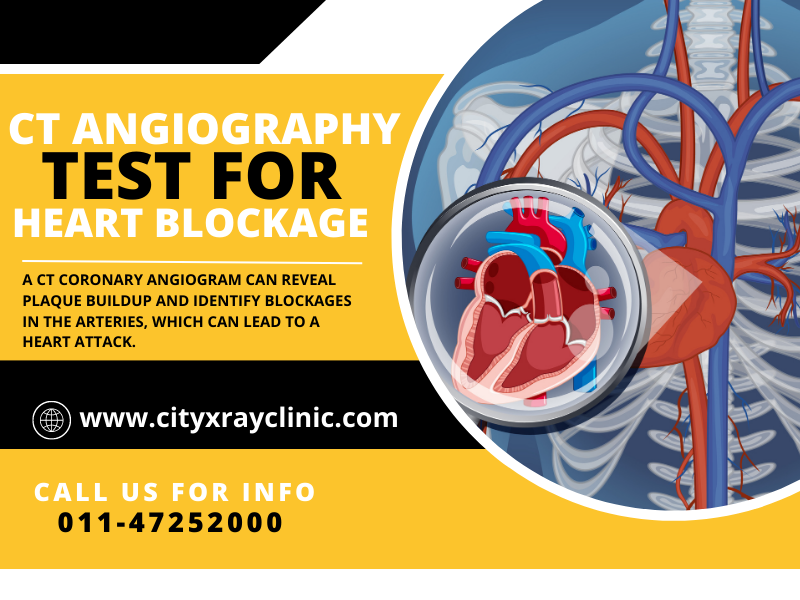
Heart health has become one of the most critical priorities in modern life. With increasing stress, lifestyle changes, high cholesterol, and rising cases of heart disease, early detection has become essential. Many people experience symptoms like chest discomfort, shortness of breath, or unexplained fatigue, but delay getting tested. CT coronary angiography near me is one of the most advanced and accurate imaging tests for checking heart health and coronary artery blockages.
What Is CT Coronary Angiography?
CT Coronary Angiography (CTCA) is a non-invasive imaging test that uses advanced CT scan technology to capture detailed images of your coronary arteries. This helps detect blockages, narrowing (stenosis), plaque buildup, and other cardiac abnormalities with high accuracy.
Unlike conventional angiography, CTCA does not require inserting a catheter into your artery. Instead, it uses a special dye (contrast material) injected into your bloodstream and advanced CT imaging to create clear 3D images of the heart.
Who Needs CT Coronary Angiography?
Doctors may recommend this test if you have:
- Chest pain or discomfort
- Shortness of breath
- High cholesterol or diabetes
- Family history of heart disease
- Previous abnormal ECG or stress test results
- High blood pressure
- Unexplained fatigue or dizziness
It is also helpful for people who want a proactive assessment of their heart health, especially those above the age of 40.
How Does CT Coronary Angiography Work?
CTCA works by combining computed tomography (CT) imaging with a contrast agent. The contrast dye helps highlight the coronary arteries and blood flow, making it easy to detect any blockage or narrowing.
The Basic Process Includes:
- You are asked to lie down on the CT scanner table.
- Electrodes are attached to monitor your heart rate.
- A contrast dye is injected through a vein in your arm.
- The CT scanner rotates around your chest to take multiple images.
- A computer processes these images to create a detailed 3D view of your arteries.
The entire test typically takes 10–15 minutes, although preparation may add another 20–30 minutes.
Why Is CT Coronary Angiography Done?
Doctors use CTCA to diagnose and monitor:
- Coronary artery disease (CAD)
- Plaque buildup in arteries
- Narrowing or blockage of the coronary vessels
- Congenital heart abnormalities
- Stent or bypass graft evaluations
- Heart structure and function
It is also recommended when traditional tests are unclear or when patients want quick and reliable results.
Benefits of CT Coronary Angiography
CTCA has become popular due to its accuracy, speed, and non-invasive nature. Here are some key benefits:
1. Non-Invasive Test
No catheter insertion, making it safer and more comfortable than traditional angiography.
2. Quick and Highly Accurate
Results are available fast, often within a few hours, with very high image clarity.
3. Early Detection of Heart Disease
CTCA helps detect blockages at an early stage—even before symptoms become severe.
4. Helps in Treatment Planning
Doctors can plan lifestyle changes, medication, angioplasty, or surgery based on detailed reports.
5. Evaluates Risk in Asymptomatic Individuals
Even without symptoms, people with risk factors can identify underlying issues early.
Preparation for CT Coronary Angiography
Proper preparation ensures precise and accurate results. Here’s what you need to know:
1. Fasting
You may be asked to avoid eating for 4–6 hours before the test.
2. Avoid Caffeine
Caffeine increases heart rate, which can affect image quality. Avoid tea, coffee, energy drinks, and chocolate for 24 hours before the test.
3. Medication Instructions
Some patients may need to:
- Take beta-blockers to reduce heart rate
- Avoid certain medications temporarily
- Inform the doctor about kidney problems, diabetes, or thyroid issues
4. Inform About Allergies
If you have had allergic reactions to contrast dye or iodine in the past, inform your doctor.
5. Wear Comfortable Clothing
Avoid metal accessories as they may interfere with the scan.
What to Expect During the Test?
Many patients feel anxious before the test, but the procedure is painless and straightforward.
During the Test:
- You will lie on a comfortable table.
- The technologist will insert an IV line for contrast dye.
- You will be asked to hold your breath for a few seconds while the scan takes images.
- A warm sensation in the body is normal when the dye is injected.
After the Test:
- You may resume normal activities immediately.
- Drink plenty of water to help flush out the dye.
- Results are usually ready the same day.
Risks and Safety Considerations
CTCA is generally safe, but some considerations include:
- Mild exposure to radiation
- Possible allergic reaction to contrast dye
- Temporary increase in heart rate
- Not recommended for pregnant women
For most individuals, the benefits outweigh the risks.
How to Choose the Best Centre for CT Coronary Angiography Near You?
Selecting the right diagnostic centre ensures accuracy and safety. Look for:
- Advanced multislice CT scanners (64-slice, 128-slice, or higher)
- Experienced radiologists and cardiologists
- NABL/NABH-approved centres
- Accurate, precise, and fast reports
- Good patient care and hygiene
- Affordable pricing and transparent billing
Choosing a reputed clinic ensures high-quality cardiac imaging and peace of mind.
Conclusion
CT Coronary Angiography is a robust and highly accurate test that helps detect heart issues early and guides effective treatment. Whether you are experiencing symptoms or want a preventive checkup, this test provides clarity and confidence about your heart health. When searching for reliable and advanced cardiac imaging, choosing the best CT coronary angiography near me ensures accurate diagnosis and expert care. Early detection can help protect your heart and prevent serious complications, so always prioritize your cardiac health.