Hijama Therapy for High BP: Myths vs. Facts
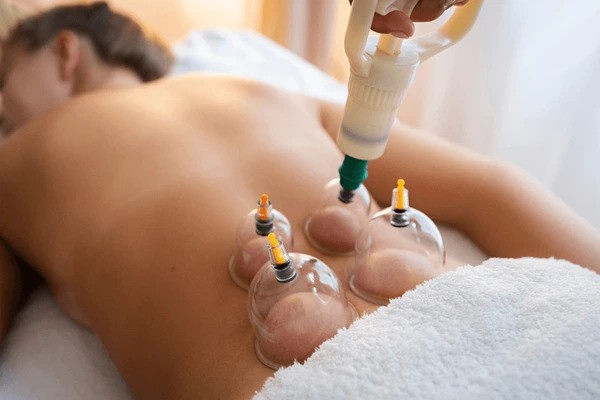
High blood pressure is a silent but serious health issue. Many people explore Hijama as a complementary approach, but misinformation can create confusion. Understanding what is fact and what is myth is key to safe and effective use.
Quick Facts about Cupping Therapy and Blood Pressure:
-
Cupping is ancient: It has been practiced for thousands of years in cultures like Chinese, Egyptian, and Middle Eastern medicine.
-
Helps with circulation: Cupping is believed to stimulate blood flow and help relax tight muscles, which may lower blood pressure.
-
Reduces stress: The relaxation from cupping might help calm the nervous system and lower stress-related blood pressure spikes.
-
Mild evidence on BP: While cupping has anecdotal evidence supporting its effectiveness in reducing blood pressure, clinical research on its role in hypertension management is still limited.
-
Not a standalone treatment: Cupping should not replace traditional medical treatments for high blood pressure, but may be used as a complementary therapy.
-
Common side effect: Bruising is common after cupping, but these marks usually fade within a few days.
-
Duration of effects: The effects of cupping (such as reduced muscle tension and improved circulation) are often temporary, so regular sessions might be necessary for long-term benefits.
-
Not for everyone: People with certain conditions, like skin disorders, blood clotting issues, or cardiovascular disease, should avoid cupping or seek advice before trying it.
Myth 1: Hijama Cures High Blood Pressure
Fact:
Hijama may help reduce stress, improve circulation, and temporarily lower BP in some people, but it cannot cure hypertension. Long-term BP control requires medical management, lifestyle changes, and regular monitoring.
Myth 2: You Can Stop BP Medications If You Do Hijama
Fact:
Hijama is a complementary therapy (هل الحجامة مفيدة لضغط الدم), not a replacement for prescribed medications. Stopping medication without a doctor’s guidance can be dangerous and may lead to life-threatening complications.
Myth 3: Any Part of the Body Can Be Cupped for Blood Pressure
Fact:
Only specific points are traditionally used for hypertension, such as:
-
Neck & upper back (C7–T3)
-
Occipital region (back of the head)
-
Between shoulder blades (T3–T7)
-
Lower back / kidney area (L2–L4)
-
Back of legs (BL40)
Improper placement can cause injury or infection.
Myth 4: Hijama Works for Everyone
Fact:
Responses to Hijama vary. Some people may feel relaxed and experience temporary BP reduction, while others may see little effect. Individual health conditions, stress levels, and circulation all play a role.
Myth 5: Hijama Is Risk-Free
Fact:
Hijama is generally safe when performed by a trained, licensed practitioner, but it can be risky for people with:
-
Bleeding or clotting disorders
-
Severe anemia
-
Anticoagulant use
-
Diabetes with poor wound healing
-
Skin infections or compromised immunity
-
Pregnancy (without clinician approval)
Proper hygiene, sterile equipment, and medical screening are essential.
How Hijama Can Safely Support Blood Pressure Management
When used responsibly, Hijama can:
-
Reduce stress and sympathetic activation
-
Relieve neck, shoulder, and back tension
-
Enhance circulation and microvascular health
-
Promote relaxation and overall well-being
Best used alongside:
-
Medication adherence
-
Heart-healthy diet (low sodium, high fruits/vegetables)
-
Regular physical activity
-
Stress management techniques
-
Adequate sleep and weight management
Bottom Line
Hijama can be a valuable complementary therapy for people with high blood pressure—but it is not a cure. Understanding myths vs. facts ensures safe, effective use. The key to healthy BP remains integrated care, combining modern medicine, lifestyle changes, and complementary therapies like Hijama.