How Photopheresis Treats Autoimmune Diseases: A Comprehensive Guide
Autoimmune diseases affect millions of people worldwide, often leading to chronic pain, fatigue, and a significant decline in quality of life. As modern medicine evolves, innovative therapies are transforming how these conditions are managed. One such advanced treatment is photopheresis, a cutting-edge immunomodulatory therapy gaining recognition for its effectiveness and safety. Leading centers such as Swiss Health Clinic are at the forefront of delivering this therapy as part of integrative, personalized care programs focused on long-term health and longetivity.
Understanding Autoimmune Diseases and Modern Therapies
Autoimmune diseases occur when the immune system mistakenly attacks healthy cells, tissues, or organs. Conditions such as multiple sclerosis, systemic lupus erythematosus, rheumatoid arthritis, Crohn’s disease, and graft-versus-host disease (GVHD) are all rooted in immune system dysfunction. Traditional treatments typically rely on immunosuppressive medications, corticosteroids, and biologics. While these can control symptoms, they often come with side effects and do not always address the underlying immune imbalance.
This is where photopheresis stands out. Rather than suppressing the immune system broadly, it works by re-educating immune cells, restoring balance, and promoting immune tolerance. At Swiss Health Clinic, this therapy is part of a comprehensive approach that prioritizes long-term wellness, immune resilience, and enhanced longetivity.
Why Photopheresis Is Used to Treat Autoimmune Diseases
- Targeting Immune Dysregulation at Its Source
Autoimmune diseases are fundamentally caused by immune dysregulation the immune system loses its ability to distinguish between self and non-self. Unlike conventional therapies that blunt immune activity, photopheresis modulates immune responses in a precise and controlled manner. It selectively targets pathogenic immune cells while preserving protective immunity.
- Reducing Inflammation Without Heavy Immunosuppression
Chronic inflammation is a hallmark of autoimmune disorders. Many standard treatments suppress inflammation but increase susceptibility to infections and other complications. Photopheresis reduces inflammation by inducing immune tolerance, thereby lowering disease activity without compromising immune defense.
- Promoting Immune Tolerance
One of the most powerful mechanisms of photopheresis is its ability to increase regulatory T cells (Tregs), which play a key role in maintaining immune balance. By enhancing these cells, the therapy helps the immune system tolerate the body’s own tissues instead of attacking them.
- Supporting Long-Term Health and Longetivity
Beyond symptom control, the ultimate goal of autoimmune therapy is long-term health. By restoring immune harmony rather than merely suppressing immune responses, photopheresis contributes to sustainable disease management and improved longetivity, a core focus of integrative medical centers like Swiss Health Clinic.
What Is Photopheresis?
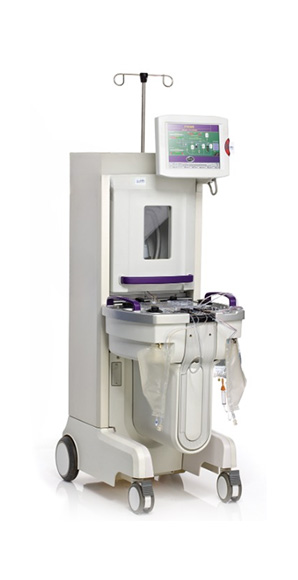
Photopheresis, also known as extracorporeal photochemotherapy (ECP), is a specialized blood treatment that modifies immune cells outside the body and then reinfuses them. The process involves collecting a patient’s white blood cells, treating them with a photosensitizing agent, exposing them to ultraviolet (UV) light, and returning them to the bloodstream.
This treatment does not destroy immune cells indiscriminately. Instead, it triggers a cascade of immune-modulating effects that restore immune tolerance and reduce autoimmune activity. Over time, this leads to symptom relief, fewer flare-ups, and improved overall well-being.
At Swiss Health Clinic, photopheresis is integrated into a holistic treatment model that includes advanced diagnostics, nutritional therapy, lifestyle medicine, and regenerative approaches aimed at enhancing immune function and longetivity.
Types of Photopheresis Treatment
While the core process remains consistent, photopheresis can be applied in different ways depending on the patient’s condition and therapeutic goals.
- Standard Extracorporeal Photopheresis (ECP)
This is the most commonly used form of photopheresis. It involves:
- Drawing blood from the patient
- Separating white blood cells
- Treating them with a photosensitizing agent
- Exposing them to ultraviolet light
- Reinfusing them into the patient
Standard ECP is widely used for autoimmune diseases such as lupus, multiple sclerosis, scleroderma, and inflammatory bowel disease, as well as for graft-versus-host disease.
- Intensified Photopheresis Protocols
Some patients with severe or refractory autoimmune conditions may benefit from intensified protocols. These involve more frequent sessions or extended treatment cycles. The goal is to achieve faster immune modulation and symptom control in patients who do not respond adequately to standard regimens.
- Combination Therapy Photopheresis
In advanced integrative clinics like Swiss Health Clinic, photopheresis is often combined with other therapies such as:
- Immunonutrition
- Detoxification programs
- Regenerative medicine
- Cellular therapies
- Lifestyle and metabolic optimization
This multi-modal approach enhances therapeutic outcomes and supports long-term longetivity.
- Maintenance Photopheresis
Once disease activity is under control, some patients transition to maintenance therapy. This involves periodic photopheresis sessions to sustain immune balance and prevent relapse, reducing reliance on long-term immunosuppressive medications.
Advantages of Photopheresis for Autoimmune Diseases
- Targeted Immune Modulation
Unlike broad immunosuppression, photopheresis specifically targets dysfunctional immune pathways while preserving the body’s ability to fight infections and cancer.
- Excellent Safety Profile
Photopheresis has been used clinically for decades and is well-known for its safety. Side effects are generally mild and transient, such as temporary fatigue, low-grade fever, or slight blood pressure changes during treatment.
- Reduced Dependency on Medications
Many patients undergoing photopheresis can reduce their use of corticosteroids, immunosuppressants, and biologic drugs. This lowers the risk of long-term medication side effects such as osteoporosis, infections, metabolic disorders, and organ damage.
- Non-Invasive and Well-Tolerated
The procedure is non-surgical and typically performed on an outpatient basis. Most patients can return to their daily activities shortly after treatment.
- Holistic Health Benefits
By restoring immune balance, photopheresis contributes to improved energy levels, cognitive function, emotional well-being, and overall vitality key components of longetivity.
Benefits of Photopheresis in Autoimmune Disease Management
- Symptom Relief
Patients often experience a reduction in pain, fatigue, skin lesions, gastrointestinal symptoms, neurological issues, and other disease-specific manifestations. Over time, symptom control becomes more stable and predictable.
- Disease Stabilization
In many autoimmune conditions, the goal is not just symptom relief but halting disease progression. Photopheresis has demonstrated effectiveness in stabilizing disease activity and preventing organ damage.
- Improved Quality of Life
Chronic autoimmune diseases can significantly impair daily functioning. By reducing disease burden, photopheresis enables patients to return to work, social activities, and physical exercise with greater confidence and comfort.
- Enhanced Immune Resilience
Rather than weakening the immune system, photopheresis strengthens immune regulation. This leads to fewer infections, improved recovery, and better overall immune health.
- Long-Term Health and Longetivity
The ultimate benefit lies in sustainable disease management. By addressing immune dysfunction at its root, photopheresis supports long-term health, functional independence, and increased longetivity a core mission of Swiss Health Clinic.
Step-by-Step Process of Photopheresis Treatment
Understanding what to expect during treatment can help patients feel more confident and prepared.
Step 1: Comprehensive Medical Evaluation
Before initiating photopheresis, patients undergo a thorough assessment at Swiss Health Clinic. This includes:
- Detailed medical history
- Physical examination
- Immune profiling
- Blood tests
- Imaging and functional diagnostics if needed
The goal is to confirm diagnosis, assess disease severity, and design a personalized treatment plan.
Step 2: Treatment Planning and Scheduling
Based on the evaluation, clinicians determine:
- Frequency of sessions
- Duration of treatment cycles
- Whether photopheresis will be combined with other therapies
- Monitoring and follow-up schedule
Treatment plans are individualized to maximize effectiveness and support long-term longetivity.
Step 3: Blood Collection
On the day of treatment, blood is drawn from the patient through a vein or central line, depending on clinical needs. The blood is then processed through a specialized machine that separates white blood cells from other components.
Step 4: Photosensitizing Agent Administration
A photosensitizing medication is added to the collected white blood cells. This agent makes the cells sensitive to ultraviolet light, enabling controlled immune modulation.
Step 5: Ultraviolet Light Exposure
The treated cells are exposed to ultraviolet (UVA) light. This alters the DNA of selected immune cells, triggering apoptosis (programmed cell death) and immune signaling processes that promote tolerance.
Step 6: Reinfusion of Treated Cells
The modified cells are reinfused into the patient’s bloodstream. These cells interact with the immune system, initiating regulatory pathways that reduce autoimmune activity.
Step 7: Post-Treatment Monitoring
After each session, patients are monitored for any side effects or reactions. Most individuals tolerate the procedure well and can resume normal activities the same day.
Step 8: Ongoing Assessment and Adjustment
Throughout the treatment course, clinicians evaluate progress using clinical outcomes, laboratory markers, and patient-reported symptoms. Treatment protocols are adjusted as needed to optimize results and sustain long-term benefits.
The Role of Swiss Health Clinic in Advanced Autoimmune Care
Swiss Health Clinic is renowned for its integrative, patient-centered approach to complex chronic conditions. Photopheresis is not offered in isolation but as part of a comprehensive, personalized medical strategy that includes:
- Precision diagnostics
- Functional medicine
- Nutritional and metabolic therapy
- Regenerative and cellular therapies
- Stress management and lifestyle optimization
This holistic framework ensures that patients receive not only symptom relief but also long-term immune resilience and improved longetivity.
By combining cutting-edge technologies with evidence-based medicine and compassionate care, Swiss Health Clinic helps patients reclaim their health, independence, and quality of life.
Photopheresis and Longevity Medicine
Modern medicine is shifting from reactive disease management to proactive health optimization. In this context, photopheresis plays a unique role in longevity medicine. Rather than simply controlling autoimmune disease, it supports the immune system’s ability to self-regulate, adapt, and remain resilient over time.
At Swiss Health Clinic, longevity medicine focuses on:
- Preventing disease progression
- Reducing biological aging
- Enhancing cellular function
- Supporting metabolic and immune health
- Promoting physical, mental, and emotional well-being
By restoring immune balance, photopheresis aligns perfectly with these goals, making it a cornerstone therapy in integrative longevity programs.
Conclusion
Autoimmune diseases are complex, multifactorial conditions that require more than symptom suppression. They demand therapies that address immune dysfunction at its root while preserving overall health and vitality. Photopheresis represents a breakthrough in this regard a therapy that modulates the immune system with precision, safety, and long-term benefits.
Through its advanced application at Swiss Health Clinic, photopheresis is transforming the lives of patients with autoimmune diseases by:
- Reducing inflammation
- Promoting immune tolerance
- Stabilizing disease progression
- Enhancing quality of life
- Supporting long-term health and longetivity
For individuals seeking a safer, more effective, and holistic approach to autoimmune disease management, photopheresis offers a powerful path forward one grounded in science, compassion, and the promise of sustainable wellness.
Frequently Asked Questions
- What conditions can be treated with photopheresis?
Photopheresis is used to treat a wide range of autoimmune and immune-mediated conditions, including:
- Systemic lupus erythematosus
- Multiple sclerosis
- Scleroderma
- Rheumatoid arthritis
- Crohn’s disease and ulcerative colitis
- Graft-versus-host disease
- Cutaneous T-cell lymphoma (CTCL)
Treatment suitability depends on individual diagnosis, disease severity, and overall health status.
- Is photopheresis painful?
The procedure itself is generally painless. Patients may experience mild discomfort during blood draw or from lying still for the duration of the session, but most tolerate the treatment well.
- How long does a photopheresis session take?
A typical photopheresis session lasts between two to four hours, depending on the equipment used, patient’s blood volume, and treatment protocol.
- How many sessions are required?
The number of sessions varies depending on the condition being treated and individual response. Some patients undergo treatments over several months, while others may require maintenance therapy at longer intervals.
- When will I start seeing results?
Some patients notice symptom improvement within weeks, while others require several months of treatment. Response time varies based on disease type, severity, and overall health.
- Are there any side effects?
Photopheresis is known for its excellent safety profile. Possible side effects include temporary fatigue, low-grade fever, lightheadedness, or mild blood pressure changes during treatment. Serious adverse events are rare.
- Can photopheresis replace my current medications?
In many cases, photopheresis allows for a gradual reduction in immunosuppressive medications under medical supervision. However, medication changes should always be made in consultation with your healthcare provider.
- Is photopheresis suitable for long-term use?
Yes. Photopheresis is safe for long-term use and is often employed as a maintenance therapy to sustain immune balance and prevent disease relapse.
- How does Swiss Health Clinic personalize photopheresis treatment?
Swiss Health Clinic tailors treatment based on:
- Individual immune profiles
- Disease severity and progression
- Co-existing health conditions
- Lifestyle and metabolic factors
- Patient goals for health and longetivity
This personalized approach ensures optimal outcomes and sustainable wellness.
- Can photopheresis improve overall longevity?
While photopheresis is primarily used to manage autoimmune diseases, its immune-modulating effects contribute to improved systemic health, reduced inflammation, and enhanced immune resilience — all of which support long-term health and longetivity.