How to Store Seasonal Clothes Safely Using the Right Box?
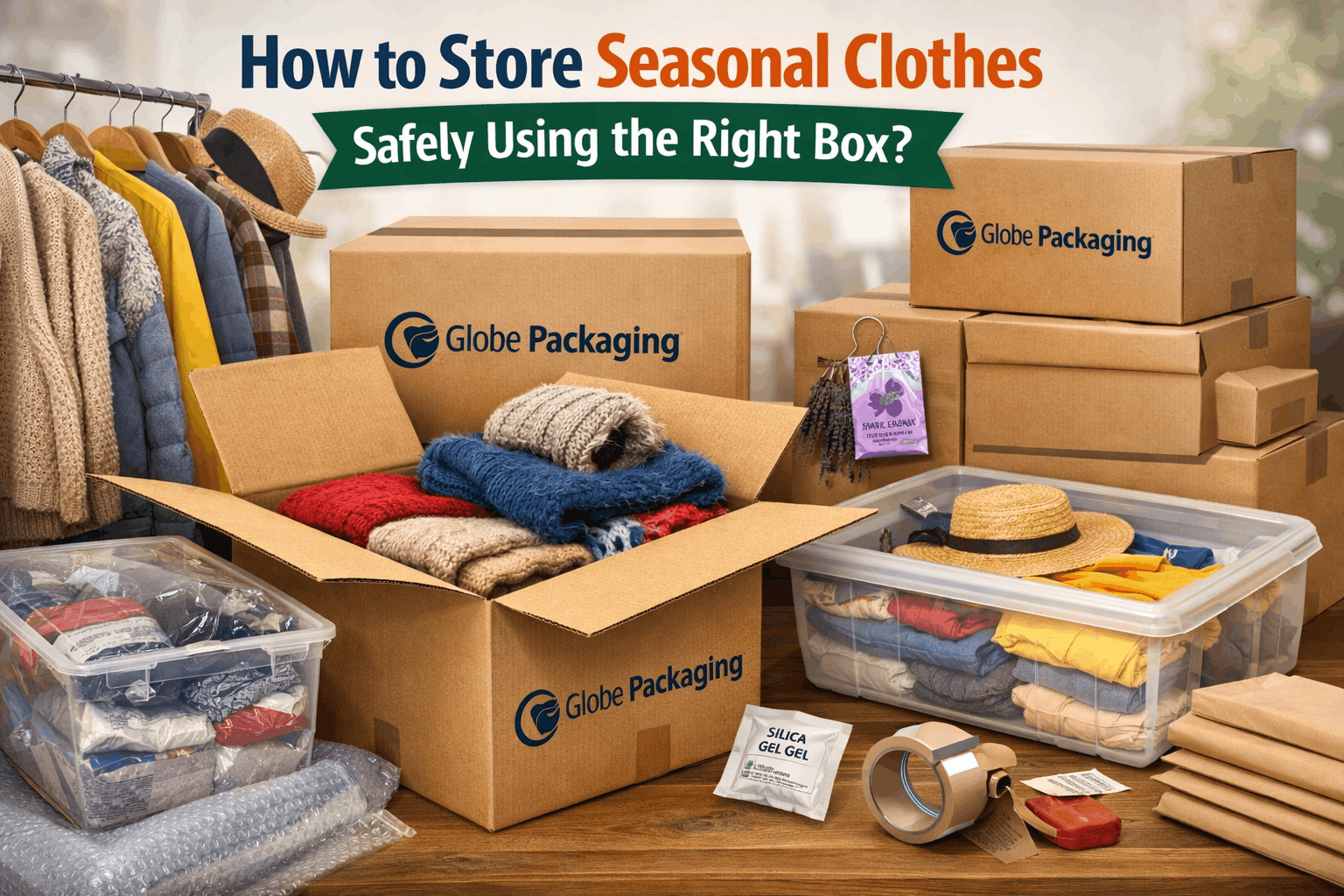
Every home has clothing that only appears during certain times of the year. Thick winter coats, wool sweaters, festive outfits, and even spare blankets often disappear into storage once the weather changes. Months later, when those items are needed again, people sometimes find creases, dust, or a slightly stale smell from poor storage.
The truth is that seasonal clothing lasts longer when it is packed carefully. Strong boxes, breathable wrapping, and thoughtful organisation all make a difference. The goal is not simply to hide clothes away but to protect them so they are ready to wear again when the next season arrives.
Professional packers often say the same thing: clothes should be treated like delicate household items. When garments are stored with reliable packaging materials, they stay protected from dust, pressure, and humidity.
Why Does Proper Clothing Storage Matter for Long Periods?
Clothes may appear durable, but most fabrics react to their environment. Natural fibres such as wool or cotton can absorb moisture from the air. If garments remain tightly compressed for months, the fibres can weaken and lose their shape.
That is why storage specialists recommend using containers that support garments rather than squeezing them. Proper protection prevents dust build-up and keeps fabrics fresh while they are not being worn.
Careful storage offers several practical benefits:
- Clothing stays clean between seasons
- Garments keep their original shape
- Wardrobe space becomes more organised
- Items remain easy to find when needed
These small improvements make seasonal wardrobe changes far easier.
What should be done before packing seasonal garments?
Preparation is often the most overlooked step in clothing storage. Many people place garments into a box immediately after removing them from the wardrobe. This can cause problems later.
Experts usually recommend a few simple habits before packing clothing away.
- Wash or dry-clean garments first
- Allow fabrics to dry completely
- Fold items gently to avoid harsh creases
- Add soft protective layers between delicate fabrics
These small actions prevent stains from settling and keep fabrics fresh during long storage periods.
Which Storage Solutions Help Protect Delicate Garments?
Different clothing pieces require different storage approaches. Some garments should stay hanging, while others can be folded without problems.
Choosing the correct box helps maintain the condition of each item.
Could Tall Hanging Containers Protect Delicate Clothing?
Certain garments lose their shape when they are folded for months. Long coats, suits, and formal dresses are good examples. These items usually look better when they remain hanging.
Storage specialists often recommend wardrobe boxes for garments that should stay upright. These containers are designed with enough height to hold clothes on hangers.
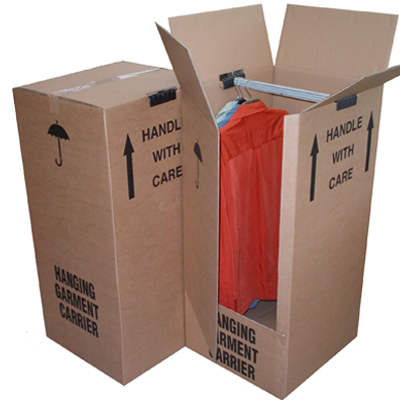
Many households use this box to store items such as winter coats or formal outfits. By keeping garments suspended rather than folded, the fabric experiences less pressure during long-term storage.
Another advantage is airflow. Clothes stored in wardrobe boxes tend to stay fresher because the container’s structure allows some breathing space.
Are Compact Containers Better for Folded Clothing?
Not every piece of clothing requires hanging storage. Jumpers, scarves, and casual garments can be folded neatly and placed into smaller containers.
Many households rely on cheap storage boxes for this purpose because they are easy to stack and organise. These containers are practical for keeping seasonal clothing grouped together.
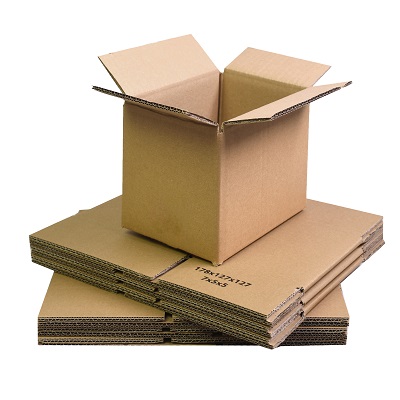
People often use this box for items such as sweaters, spare bedding, or accessories. Once labelled clearly, they make seasonal wardrobe changes quick and simple.
Another benefit of cheap storage boxes is flexibility. They fit easily into cupboards, under beds, or inside loft spaces without taking up too much room.
Can Long Containers Store Larger Clothing Items?
Occasionally, households need to store larger garments or accessories that do not fit comfortably into standard containers. Outdoor clothing and bulky protective covers are common examples.
In these situations, golf club boxes can be surprisingly useful. Their elongated design makes them suitable for items that require more length than typical storage containers provide.
Many people use this box when storing long coats, sports jackets, or protective clothing covers. The extra space prevents fabrics from being forced into tight folds.
Because golf club boxes are usually made with sturdy cardboard, they also provide reliable protection for heavier items that could damage lighter containers.
How Can Packing Methods Protect Clothing During Storage?
The way garments are packed in a box plays a major role in how well they survive long-term storage.
Packaging professionals often recommend a few practical habits when storing clothing.
- Place heavier items at the bottom of the container
- Keep delicate fabrics separated with tissue
- Avoid filling boxes too tightly
- Label containers clearly
When clothes are organised properly, storage areas remain tidy, and garments stay protected.
High-quality packaging materials also help containers maintain their structure during long-term storage. This reduces the chance of boxes bending or collapsing under pressure.
What Common Mistakes Should Be Avoided When Storing Clothes?
Many storage problems arise from small oversights. Fortunately, these mistakes are easy to prevent once people know what to watch for.
Common problems include:
- Packing garments that are still damp
- Compressing clothing too tightly
- Leaving containers in humid spaces
- Forgetting to organise items by season
Avoiding these issues helps clothing remain fresh and ready to wear again.
Conclusion
Seasonal clothing storage becomes far easier with the right approach. Clean garments, careful packing, and strong containers all contribute to better protection.
When practical solutions such as wardrobe boxes, cheap storage boxes, and golf club boxes are used alongside reliable packaging materials, clothes remain safe, organised, and ready for the next season.