Improve Reliability Now by Fixing Elevator Maintenance Issues
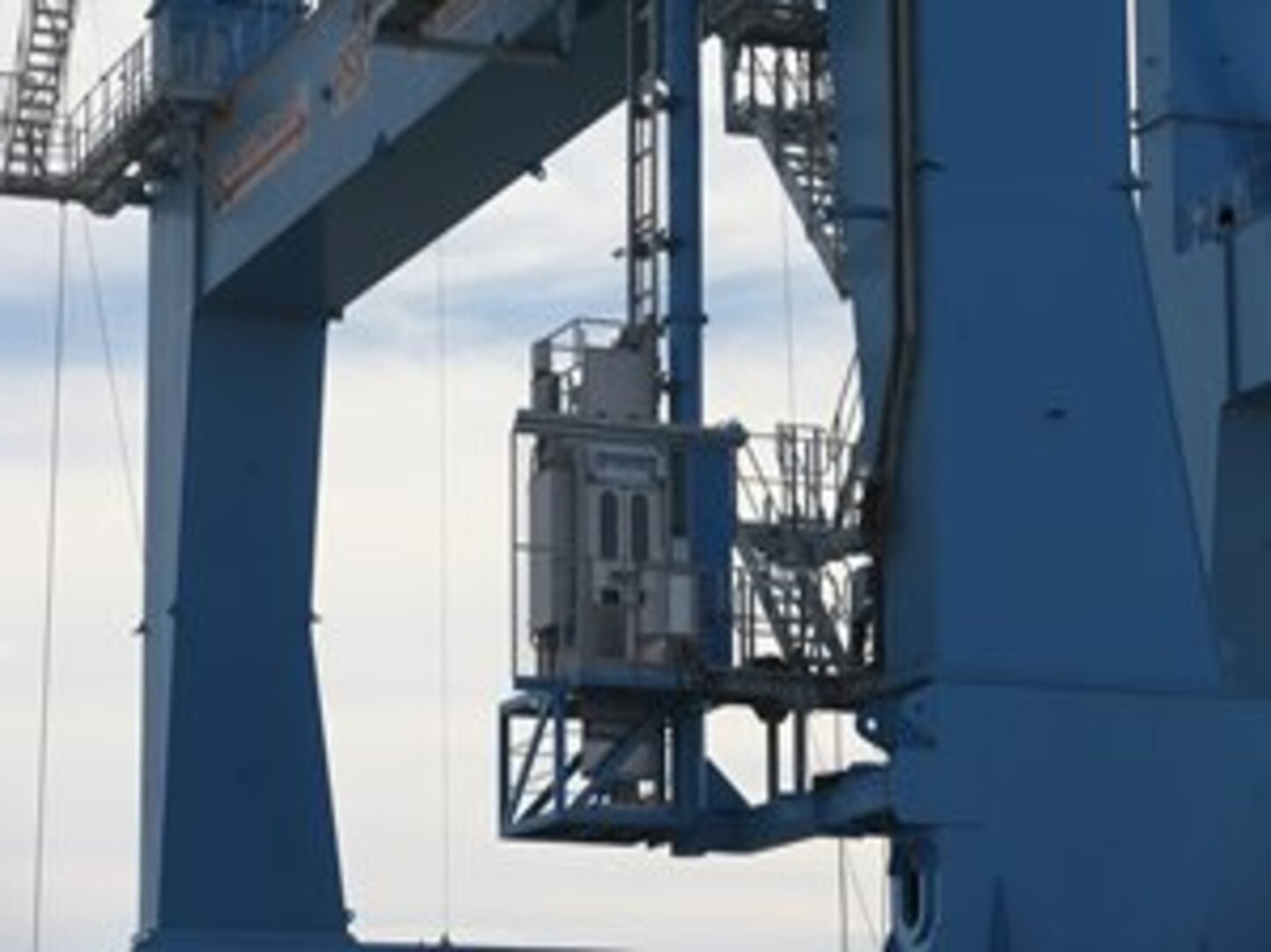
Production facilities across Canada and the USA depend on continuous, efficient movement between operational levels. When lifting systems begin to show signs of wear, even minor mechanical issues can interrupt production schedules and create avoidable hazards. Delays caused by poor servicing often spread through the entire workflow, affecting timelines and productivity.
These disruptions are especially critical for an industrial elevator, which must remain dependable under heavy use. Consistent servicing protects equipment integrity and reduces the likelihood of breakdowns that damage materials or stall operations.
The Critical Role of Industrial Elevators in Production Facilities
Industrial elevators support material handling, equipment movement, and workforce access. Their reliability influences production speed, shift scheduling, and operational flow. When these systems fail, entire departments feel the impact.
The Cost of Poor Maintenance — A Chain Reaction of Downtime
Neglected lifting systems can trigger a chain reaction of problems. One malfunction can delay product movement, halt assembly lines, or interrupt transport to upper work levels. These interruptions create workflow gaps, increasing labour hours and reducing throughput.
The Most Common Maintenance Mistakes That Lead to Failures
Missed lubrication cycles, skipped inspections, and improper cleaning are the most common issues. Electrical components may degrade, safety interlocks may misalign, and mechanical parts can weaken under repeated stress. These overlooked issues reduce lifting consistency and increase the risk of failure.
Safety and Compliance Risks of Neglected Elevators
Delayed servicing violates CSA, ANSI, and regional safety codes. Mechanical instability, weakened cables, or faulty limit switches can place workers at risk. Compliance checks require documented maintenance, making proper servicing essential for audited facilities.
Predictive vs. Reactive Maintenance
Predictive maintenance identifies problems before they affect operation. It relies on scheduled inspections, usage logs, and performance tracking. Reactive maintenance occurs only after a breakdown. Facilities that rely solely on reactive repairs often experience longer downtimes and higher repair costs.
How Poor Maintenance Affects Equipment Lifespan and ROI
Wear-and-tear accelerates when servicing is inconsistent. Motors work harder, drive assemblies strain under load, and safety components degrade faster. Shortened equipment lifespan increases replacement costs and reduces the return on the initial investment.
The Human Factor — Protecting Workers and Productivity
A stable lifting system reduces congestion around stairways and maintains a predictable material flow. Workers depend on consistent performance from industrial elevators to maintain safe, efficient workflows. Preventive servicing protects both equipment and personnel.
UCEL Inc.’s Preventive Maintenance Advantage
UCEL Inc. supports facilities with structured inspection schedules, detailed servicing, and certified safety checks. Technicians assess mechanical health, confirm regulatory compliance, and help prevent unexpected breakdowns. This proactive approach strengthens operational stability and extends the life of each unit.
Don’t Wait for a Breakdown to Stop Production
Timely maintenance ensures safe movement, preserves equipment value, and keeps production lines running. UCEL Inc. provides dependable support for facilities seeking reliable alternatives to aging industrial lifts and inconsistent servicing practices.
Contact UCEL Inc. today to schedule professional maintenance and keep every lift operating smoothly and safely.