Leg Cramps During Medical Weight Loss: Causes and Practical Relief
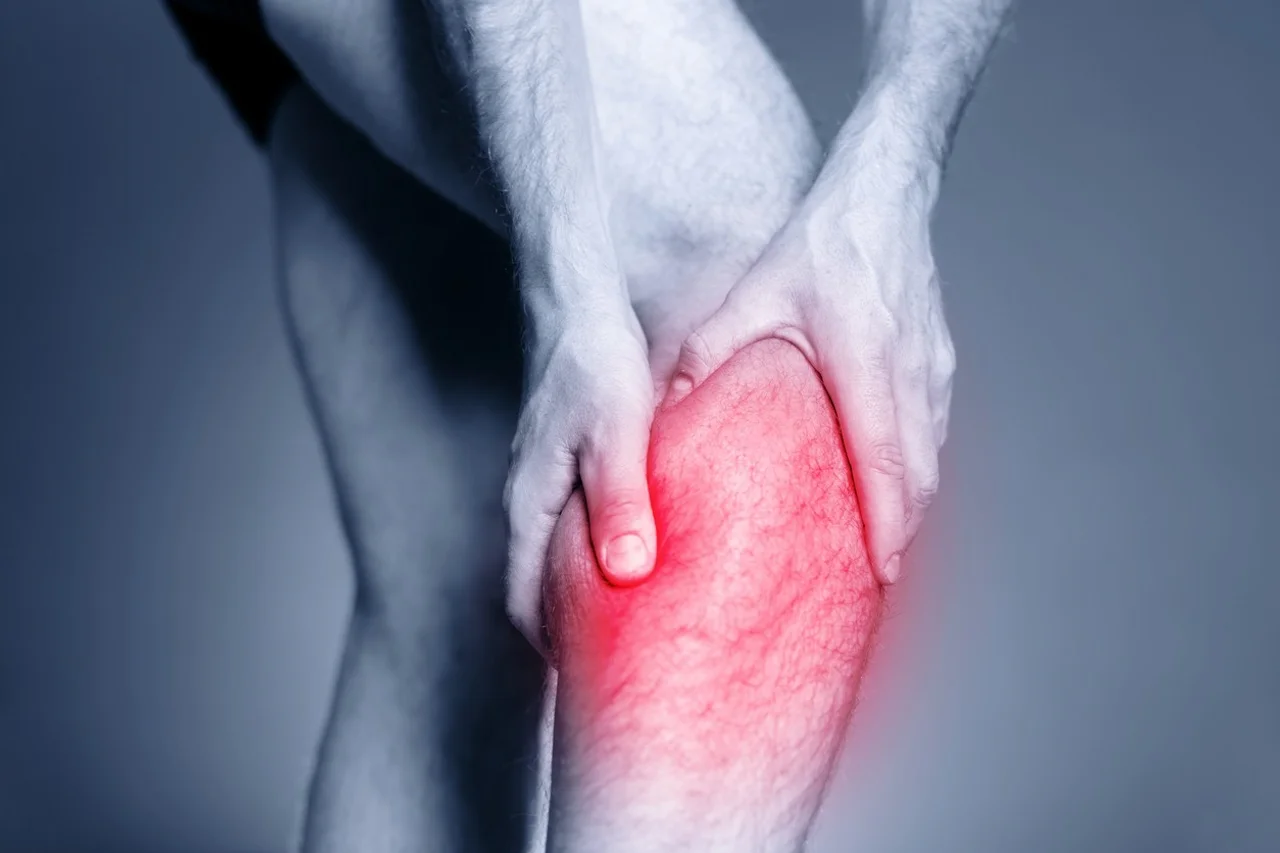
Prescription weight loss medications, such as GLP-1 agonists, have become a cornerstone for managing obesity and metabolic conditions. They help patients regulate appetite, control blood sugar, and achieve sustainable weight loss. However, as the body adjusts to these medications, some patients experience unexpected side effects. One of the most commonly reported issues is leg cramps, which can range from mild muscle tightness to painful spasms that disrupt sleep and daily activities.
Understanding why leg cramps occur during weight loss treatment, how to prevent them, and when to seek professional advice is essential for patients to safely continue their therapy and maintain comfort.
Why Leg Cramps Occur
Leg cramps are involuntary contractions of the muscles, often affecting the calves, thighs, or feet. During weight loss treatment, several physiological changes may contribute to cramping:
-
Electrolyte Imbalance: Reduced calorie intake can lead to lower levels of essential minerals like potassium, magnesium, and calcium. These minerals are crucial for proper muscle contraction and relaxation. Even mild deficiencies can trigger involuntary spasms.
-
Dehydration: Appetite suppression may lead to reduced fluid intake. When the body becomes dehydrated, muscles are more likely to cramp, particularly during physical activity or at night.
-
Muscle Fatigue: Weight loss programs often include increased physical activity. Muscles that are not conditioned for new levels of movement may fatigue faster, causing cramps.
-
Metabolic Changes: As the body burns stored fat and adjusts to lower calorie intake, metabolic changes can affect fluid balance and nerve signaling, increasing the likelihood of cramping.
Lifestyle Factors That May Increase Cramps
Even without medication, certain lifestyle factors can trigger leg cramps during weight loss:
-
Increased Physical Activity: Sudden changes in exercise intensity can strain unprepared muscles.
-
Prolonged Sitting or Standing: Poor circulation from long periods of inactivity can cause cramps.
-
Sleeping Position: Nighttime leg cramps are common when muscles are relaxed in certain positions.
Addressing these factors through proper posture, movement breaks, and gradual exercise progression can help reduce cramps.
How to Manage and Prevent Leg Cramps
Fortunately, there are several strategies to relieve and prevent leg cramps during weight loss treatment:
-
Stay Hydrated: Aim for consistent water intake throughout the day. Hydration supports muscle function and reduces cramping.
-
Balanced Nutrition: Incorporate foods rich in potassium, magnesium, and calcium. Examples include bananas, leafy greens, nuts, seeds, and dairy products.
-
Stretching and Exercise: Gentle stretching before bed and after physical activity reduces muscle tightness. Light movement and strengthening exercises improve circulation and prevent fatigue.
-
Warm Compress or Massage: Applying heat or gently massaging cramped muscles can provide immediate relief.
-
Footwear and Posture: Wearing supportive shoes and maintaining good posture during prolonged sitting or standing helps reduce strain on leg muscles.
When to Seek Medical Advice
Most leg cramps are mild and manageable, but certain situations require professional evaluation:
-
Cramps that are frequent, severe, or persistent
-
Swelling, redness, or warmth in the leg (possible blood clot)
-
Numbness, tingling, or weakness in the affected limb
Healthcare providers may recommend blood tests to check electrolyte levels, suggest dietary adjustments, or modify the medication regimen if necessary.
Medication-Specific Insights
For individuals using Wegovy, leg cramps can occur due to how the medication influences appetite, hydration, and mineral balance. The body’s adaptation to reduced calorie intake, along with increased energy expenditure, can temporarily strain leg muscles.
Patients seeking a detailed explanation of causes, duration, and effective relief strategies can refer to this comprehensive guide on Wegovy leg cramps, which provides practical tips for managing this common side effect.
Additional Tips for Comfort
-
Hydrating with Electrolytes: Drinks containing electrolytes may help if water alone is insufficient.
-
Timing of Physical Activity: Avoid high-intensity workouts late in the evening to reduce nighttime cramps.
-
Gradual Lifestyle Changes: Slowly increasing activity and adjusting dietary intake allows the body to adapt without excessive strain.
Conclusion
Leg cramps are a common, often temporary side effect of weight loss treatment. By understanding the underlying causes—electrolyte imbalance, dehydration, metabolic shifts, and muscle fatigue—patients can take proactive steps to manage discomfort. Staying hydrated, eating a mineral-rich diet, stretching, and seeking professional advice when needed ensures that patients can safely continue their weight loss journey.
For a complete, medication-specific guide to causes, management, and relief options, explore this article on Wegovy leg cramps.