Maximize Your Payout for Non-Running & Damaged Cars
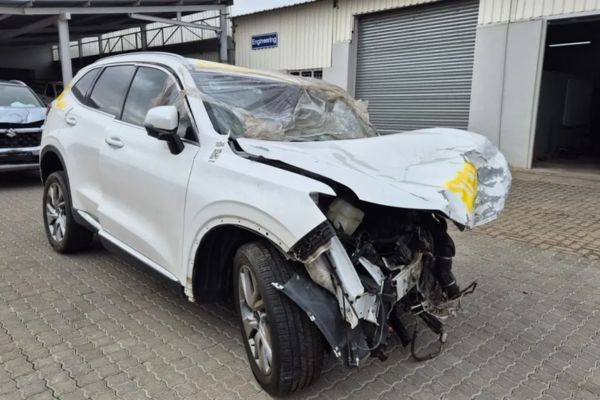
The Australian automotive landscape has shifted dramatically over the past decade. While pristine vehicles continue to dominate showroom floors, there’s an entirely different market thriving beneath the surface—one that deals exclusively with vehicles most people consider worthless. That rusty Commodore sitting on blocks in your backyard? The Corolla that hasn’t turned over since 2019? They’re not just eyesores; they’re cash waiting to be unlocked.
Melbourne’s vehicle removal industry has matured into a sophisticated ecosystem where damaged, non-running, and end-of-life vehicles transform from liabilities into liquid assets. What once required endless negotiations with dodgy blokes offering laughable prices has evolved into a streamlined process where legitimate businesses compete for your scrap metal. The difference between getting $200 and $8,000 for the same vehicle often comes down to understanding how this market operates.
Here’s what most vehicle owners don’t realize: your clapped-out car contains valuable commodities that fluctuate with global market prices. Steel, aluminum, copper, and catalytic converter metals like platinum and palladium create genuine worth regardless of whether your engine seized years ago. Smart junk car buyers Melbourne services have built entire business models around extracting maximum value from these materials, and knowing this fundamentally changes your negotiating position.
The Real Economics Behind Vehicle Removal Services
Let’s strip away the marketing fluff and examine the actual business model. When a removal company quotes you a price, they’re calculating several revenue streams simultaneously. The metal content represents the baseline value—currently, steel scrap trades around $400-$500 per tonne in Melbourne, though prices swing with international demand. Your average sedan contains roughly 1,200 kilograms of recoverable metal, establishing a floor price before considering any additional value.
But the real money sits elsewhere. A functioning catalytic converter from a relatively modern vehicle can fetch $150-$800 depending on its platinum group metal content. Your worn tyres? Recycling facilities pay for those. That transmission might be golden to a mechanic specializing in your make and model. Experienced buyers conduct rapid mental calculations, assessing which components warrant extraction before the crusher claims the rest.
This explains the wild price variations you’ll encounter. A buyer focused purely on scrap weight will lowball you. Meanwhile, a company with established networks for parts resale, international export channels, and relationships with specialized recyclers can justify significantly higher offers. They’re not more generous—they’ve simply built infrastructure to monetize more of your vehicle.
What Actually Determines Your Vehicle’s Value
Forget the romantic notion that your car’s sentimental value matters here. The removal industry operates on cold, hard economics. Your vehicle’s year, make, and model create the foundation. A 2015 Toyota Camry with a blown head gasket holds substantially more value than a 2001 Daewoo Lanos in similar condition because Toyota parts maintain consistent demand, and newer vehicles contain more recoverable materials manufactured to higher standards.
Weight matters more than most people anticipate. Larger vehicles—utes, SUVs, commercial vans—inherently contain more metal. A Nissan Patrol tips the scales considerably heavier than a Hyundai Getz, translating directly to higher scrap value. The composition matters too; aluminum-intensive vehicles command premiums because aluminum recycling requires 95% less energy than primary production, making recycled aluminum particularly valuable.
Location within Melbourne influences pricing as well. Companies operating in the northern and western suburbs often quote more competitively because they’re positioned near major recycling facilities in Laverton and Campbellfield. That saved transport cost can translate to an extra $100-$200 in your pocket. The market isn’t perfectly efficient, and geographic arbitrage opportunities exist for sellers willing to shop around.
The Hidden Value Multipliers Most Sellers Miss
Professional vehicle assessors look beyond the obvious. Your car’s computer systems contain circuit boards with recoverable precious metals. The wiring harness contains copper worth extracting. Even your sound system, if it’s aftermarket and relatively modern, might be worth pulling before collection. These components individually seem trivial, but collectively they separate good offers from great ones.
Timing your sale strategically can boost payouts significantly. Scrap metal prices fluctuate monthly based on global construction demand, infrastructure projects, and currency exchange rates. Monitoring the London Metal Exchange prices for steel and aluminum provides genuine insight into optimal selling windows. A vehicle sold when steel prices peak might net 15-20% more than the same vehicle sold during a trough.
Complete documentation amplifies value in unexpected ways. That service history you’ve kept? It proves certain components received regular maintenance, making them more attractive for resale. Your registration papers and proof of ownership eliminate the administrative headaches that cause some buyers to reduce offers. Even something as mundane as having your keys available can add $50-$100 to quotes because it simplifies the collection process.
Navigating Melbourne’s Removal Market Like a Professional
The removal industry isn’t uniformly reputable. Some operators quote high over the phone, then drastically reduce offers upon arrival, counting on seller exhaustion to close deals. Others nickel-and-dime you with “collection fees” or “processing charges” never mentioned initially. Protecting yourself requires understanding standard industry practices.
Legitimate operations provide free collection across metropolitan Melbourne. They quote firm prices after asking specific questions about your vehicle’s condition, year, make, and model. They arrive with proper equipment—tilt tray trucks or flatbeds—and professional drivers carrying appropriate identification. They handle all paperwork, including VicRoads notification, as part of their service.
Request quotes from at least three different companies, providing identical information to each. This creates a baseline for recognizing outlier offers—both suspiciously high and unreasonably low. Legitimate high offers typically come from companies with diversified revenue streams; they’re extracting value others miss. Suspiciously high offers that drop upon inspection signal dishonest operators.
The Parts Goldmine Sitting in Your Vehicle
Certain components command extraordinary prices in secondary markets. Airbags from European vehicles can fetch $200-$400 each. Modern GPS navigation units, even from slightly older vehicles, maintain value because technology enthusiasts buy them for retrofitting. Your wheels and tyres, if they meet minimum standards, might be worth more sold separately than included with the vehicle.
This creates a strategic decision: maximize convenience by selling everything together, or invest time extracting high-value components for separate sale. For most sellers, convenience wins, but understanding this option provides negotiating leverage. If a buyer’s offer seems low, casually mentioning you’re considering removing the wheels or sound system often prompts improved quotes.
Catalytic converters deserve special attention. Theft of these components has exploded because their platinum, palladium, and rhodium content creates substantial value. A thief might get $200-$300 for your stolen converter. You, as the legitimate owner selling the entire vehicle, should ensure your buyer fairly compensates you for this component. Ask specifically how catalytic converter value factors into their offer.
Environmental Responsibility Meets Financial Opportunity
Australia’s vehicle recycling infrastructure has become impressively sophisticated. Modern facilities recover roughly 95% of a vehicle’s materials, from ferrous and non-ferrous metals to plastics, glass, and fluids. Choosing buyers connected to certified recycling facilities ensures your vehicle doesn’t leak toxins into landfills or waterways.
This environmental consideration shouldn’t cost you financially. Companies with environmental certifications often pay competitive rates because they’ve optimized their processes to maximize material recovery. They’re not running backyard operations; they’re industrial-scale businesses where efficiency creates profitability.
The End-of-Life Vehicle (ELV) program in Victoria provides framework ensuring proper disposal. Legitimate buyers should provide you with a Certificate of Destruction, proving your vehicle entered the formal recycling system. This protects you from future liability if someone attempts to re-register your vehicle or commits crimes using its identity.
Maximizing Your Payout: Advanced Strategies
Presentation matters more than you’d think for a vehicle destined for recycling. Arriving at an accurate weight means more money, and removing personal belongings, excess rubbish, and non-vehicle materials ensures you’re paid for car, not garbage. Some sellers report quote increases after thoroughly cleaning vehicles, as buyers can better assess component condition.
Be prepared to answer detailed questions about your vehicle’s history. Did it suffer flood damage? Was it previously written off? Has it been modified? Honest disclosure prevents last-minute price reductions, but strategic framing helps. Instead of “the engine’s completely stuffed,” try “the engine requires rebuilding.” Both statements might be true, but the second doesn’t immediately signal zero parts value.
Negotiate from knowledge, not desperation. When a buyer quotes a price, ask for the breakdown: “How much for scrap weight versus parts recovery?” This question alone signals you understand the industry, often prompting more competitive offers. If you’re not satisfied, you’re free to decline. Unlike selling a functioning vehicle where emotional attachment clouds judgment, selling scrap is purely transactional—embrace that reality.
The Future of Vehicle Removal in Melbourne
Electric vehicle proliferation will transform this industry within a decade. EV batteries contain lithium, cobalt, and nickel worth substantially more than traditional vehicle components. Forward-thinking removal companies are already establishing battery recycling partnerships, positioning themselves for this transition. For sellers, this means the basic economics of vehicle disposal will shift dramatically.
Current regulatory discussions around extended producer responsibility may require manufacturers to fund end-of-life vehicle processing. If implemented, this could increase payouts to vehicle owners while improving environmental outcomes. Melbourne’s removal industry is watching these developments closely, as they’ll reshape competitive dynamics.
For now, though, the market remains robust for internal combustion vehicles. Melbourne’s population growth, aging vehicle fleet, and strong metal recycling infrastructure create sustained demand. Your non-running vehicle isn’t worthless—it’s a commodity with genuine market value. The difference between maximizing that value and accepting whatever’s offered comes down to understanding the industry, timing your sale strategically, and negotiating from knowledge rather than desperation.
That rusted hulk depreciating in your driveway represents immediate cash. The question isn’t whether to sell it, but rather how to extract every dollar it’s actually worth.