NDIS Funding Work Under the National Disability Insurance Scheme?
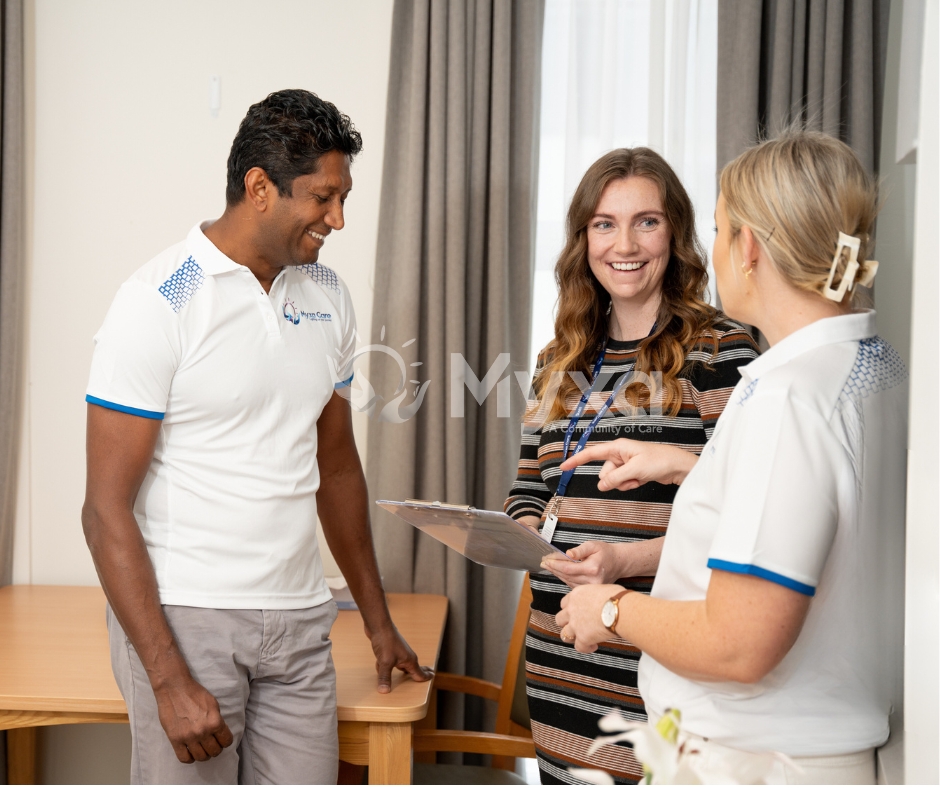
Specialist Disability Accommodation (SDA) is a specific type of housing support funded under the National Disability Insurance Scheme (NDIS). It is designed for people with extreme functional impairment or very high support needs who require specially designed housing to live safely and independently. Understanding how SDA NDIS funding works can help participants, families, and carers make informed decisions about suitable living arrangements.
What Is SDA Under the NDIS?
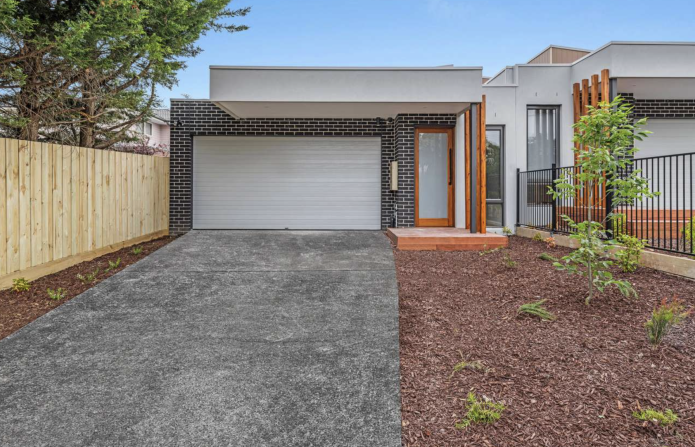
SDA refers to the physical housing itself rather than day-to-day care or personal support. These homes are built or modified to meet specific accessibility and safety standards, such as wider doorways, reinforced structures, or assistive technologies. SDA funding covers the cost of the accommodation, not the support services delivered within the home.
Only a small percentage of NDIS participants qualify for SDA. Eligibility is based on the participant’s functional capacity, long-term housing needs, and whether SDA represents value for money compared to other support options.
Who Is Eligible for SDA Funding?
To access SDA funding, a participant must demonstrate that they have an extreme functional impairment or very high support needs that significantly affect their ability to live independently. The NDIS assesses whether specialist housing will reduce long-term support costs, improve quality of life, or increase independence.
If approved, SDA funding is included in the participant’s NDIS plan under the Capital Supports budget. This funding is paid directly to the SDA housing provider rather than to the participant.
How SDA Funding Is Paid and Used
SDA funding is calculated based on several factors, including the type of dwelling, its location, the number of residents, and the level of design category (such as improved liveability or fully accessible housing). The funding is provided as an ongoing payment that contributes to rent costs.
Participants typically pay a reasonable rent contribution, often capped at a percentage of their Disability Support Pension, while SDA funding covers the remaining cost of the specialist housing.
SDA and SIL Accommodation: How They Work Together
It is important to understand the difference between SDA and SIL Accommodation. While SDA funds the physical home, Supported Independent Living (SIL) covers daily assistance such as personal care, cooking, cleaning, and overnight support.
Many participants live in SDA homes while also receiving SIL supports, but these are funded separately within the NDIS plan. SDA focuses on the building, while SIL focuses on the support delivered inside it.
The Role of NDIS Disability Support Services
SDA is only one part of broader NDIS Disability Support. Participants may also receive funding for therapies, assistive technology, community participation, and personal care. SDA works best when combined with the right mix of supports that align with the participant’s goals, lifestyle, and level of independence.
Support coordinators often play a key role in helping participants find suitable SDA housing and coordinate services that work seamlessly together.
SDA vs Short Term Accommodation
SDA is intended for long-term housing needs, whereas Short Term Accommodation (STA) provides temporary support, usually for respite or transitional purposes. STA is often used for short stays, such as a few days or weeks, and includes accommodation, personal support, and meals.
Unlike SDA, Short Term Accommodation is funded under Core Supports and is not designed for permanent living arrangements. Participants may use STA while waiting for long-term SDA housing or during periods when their usual supports are unavailable.
Final Thoughts
SDA NDIS funding plays a crucial role in supporting participants with complex needs by providing safe, accessible, and purpose-built housing. By separating housing costs from support services, the NDIS allows participants greater choice and flexibility in how they live and receive care. Understanding how SDA works alongside SIL Accommodation, NDIS Disability Support, and Short Term Accommodation helps participants and families plan more effectively for long-term independence and quality of life.