Tool and Die Maker Vacancies in Ontario Are Growing as Retirements Rise
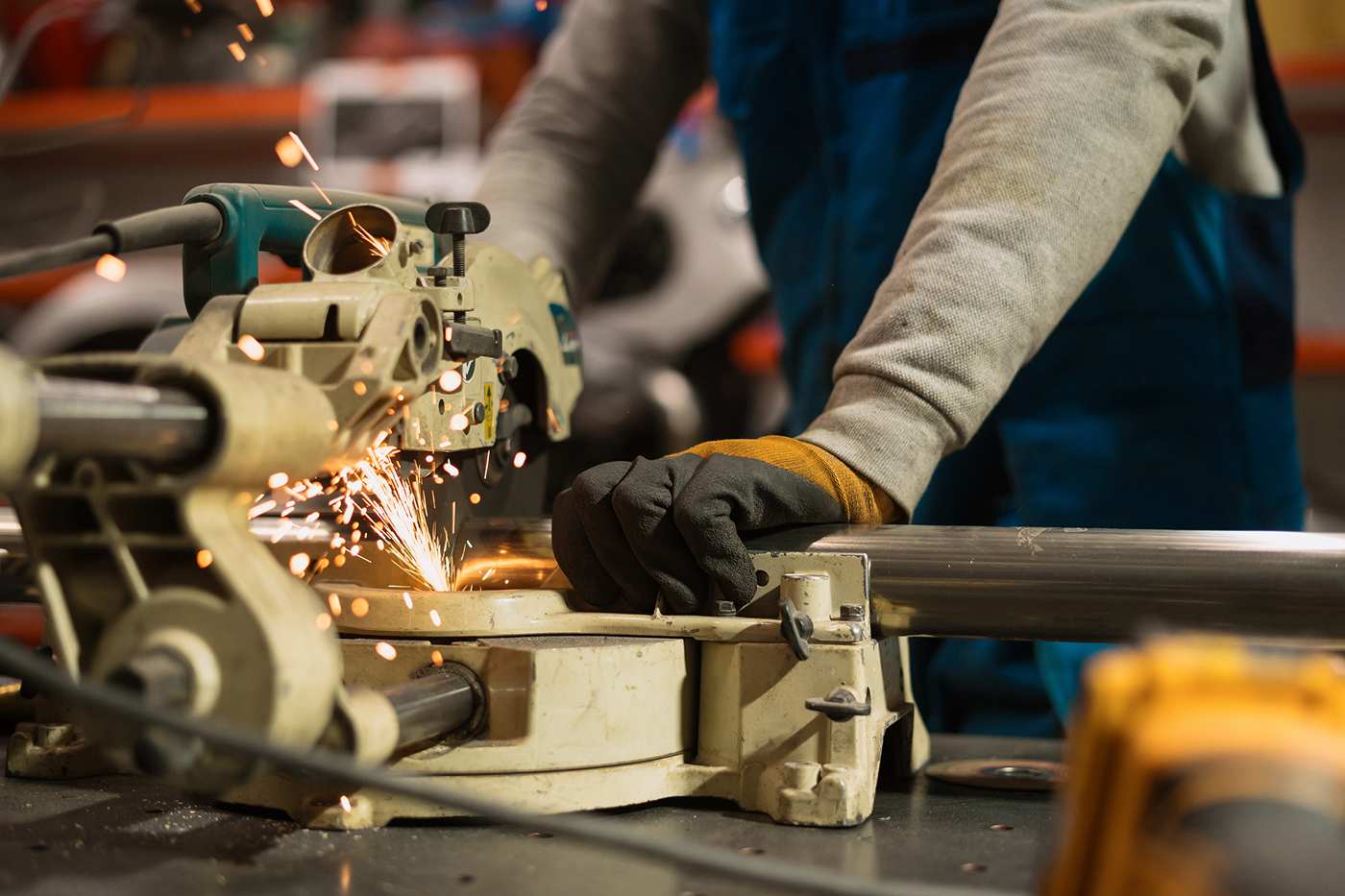
Ontario’s manufacturing sector is facing a growing talent crisis—particularly in skilled trades that support precision and productivity. Among the most urgent gaps are tool and die maker jobs, which play a foundational role in keeping production lines moving across the automotive, plastics, medical, and food manufacturing sectors.
With experienced professionals aging out of the workforce and fewer new entrants replacing them, this vacancy trend could stall the province’s industrial growth.
Precision Trades Need Younger Entrants
Tool and die professionals are responsible for designing, building, and maintaining the moulds, jigs, and fixtures that allow manufacturing to run at scale. Yet, as more veteran tradespeople retire, employers are left with roles that are increasingly difficult to fill.
The tool and die jobs available today are not only technical—they’re also in high demand, offering stability, career progression, and good wages. However, attracting younger workers has proven challenging, partly due to a lack of awareness and partly because the training pathways require significant long-term investment.
Ontario colleges and training institutions offer apprenticeships in various fields, but awareness of these programs remains limited among high school graduates and mid-career professionals considering a career switch.
Why Trade Programs Aren’t Enough
Even though trade programs exist, many don’t fully address the depth of training required to excel in a die maker job. Tool and die making involves not just mechanical skills but also blueprint reading, CNC programming, and experience with industrial materials.
The hands-on learning curve is steep, and classroom instruction must be complemented by mentorship in real-world factory environments. Without consistent job placements or co-op opportunities, many interested candidates drop off before they can complete the full program.
The Long Learning Curve For Tool & Die
Unlike some general labour roles, a tool and die maker job isn’t one you can step into after a short course. It requires thousands of hours of apprenticeship, strong math and mechanical skills, and access to on-the-job mentorship.
This creates a bottleneck for manufacturers. They need skilled workers now, but the pipeline isn’t fast enough to meet demand. The result? Dozens of tool and die maker vacancies across Ontario that stay open for months.
Manufacturers are forced to delay production, outsource tooling work, or extend overtime hours for existing teams—all of which are costly and unsustainable.
Internal Upskilling And Early-Career Outreach
One effective approach some manufacturers are using is internal upskilling. General machine operators or CNC workers with a few years of experience are being trained into tool and die jobs through custom in-house programs.
This not only helps fill talent gaps but also retains existing workers by offering career advancement. Some companies are partnering with local training institutions to formalize these programs, combining in-house mentorship with accredited certifications.
Early-career outreach also matters. More employers are attending high school career fairs or hosting plant tours to expose students to what a die maker job really involves—combining craftsmanship, problem-solving, and machine tech in one role.
How To Link Job Seekers With Trade-Ready Employers
Ontario’s challenge isn’t just training new workers—it’s matching trained workers with the employers who need them most. Regional workforce boards and industry job boards are playing a key role in bridging this gap.
These platforms help connect candidates with current tool and die maker jobs in their area, filter based on experience level, and often highlight apprenticeship-compatible roles. For career changers or unemployed individuals, they also help clarify how to transfer related skills—like machining or welding—into a tool and die maker vacancy.
By increasing visibility of these openings and making hiring requirements clear, manufacturers can build stronger hiring pipelines.
Fill The Gap Before Experience Walks Out
The clock is ticking. As experienced toolmakers retire and younger replacements remain scarce, Ontario risks a slowdown in productivity and innovation. However, this crisis can be a turning point—if employers, educators, and job seekers respond promptly.
Raising awareness of tool and die jobs, investing in apprenticeships, and connecting communities to employers can close the skills gap before it widens further. Create your profile now!