What Is the Difference Between Sanded and Non-Sanded Grout
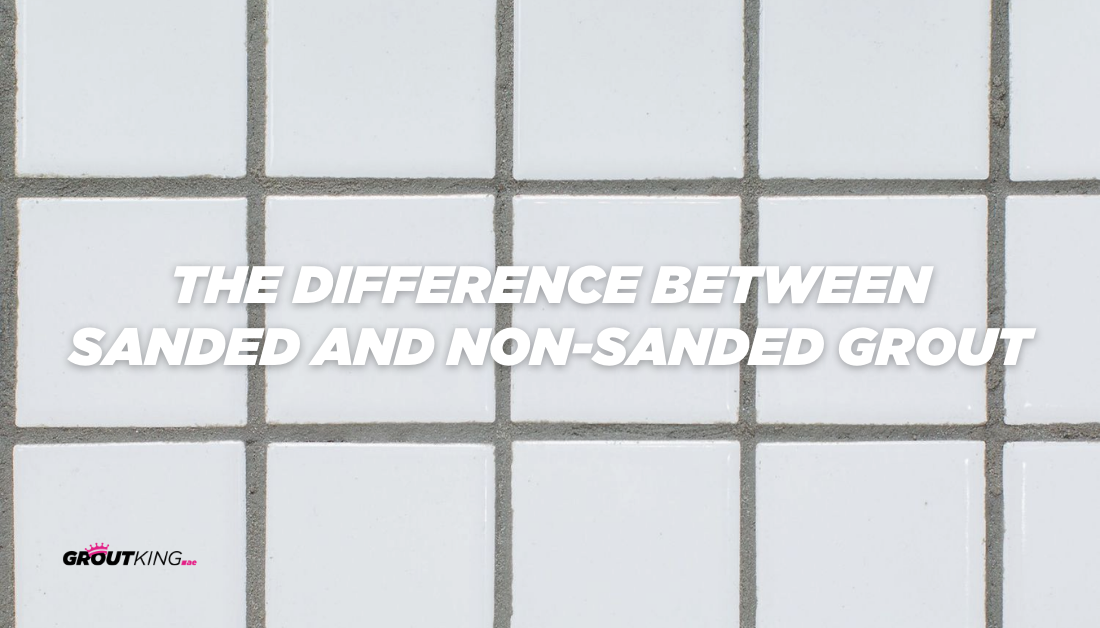
When embarking on a tiling project or planning grout replacement, one of the most important decisions you will face is choosing between sanded and non-sanded grout. This choice significantly impacts not only the appearance of your finished installation but also its durability, performance, and suitability for your specific application. Understanding the fundamental differences between these two grout types, when each is appropriate, and how to select the right option for your particular tiles and circumstances will help you achieve professional results that last for years. https://groutking.ae/
Understanding Sanded Grout Composition
Sanded grout is a cement-based product that contains fine sand particles mixed with Portland cement, water, and various additives that enhance performance and workability. The sand component typically consists of silica particles that have been carefully sized and graded to create optimal texture and strength characteristics. The sand content usually ranges from approximately fifty to seventy per cent of the total volume, giving the grout its distinctive grainy texture and appearance.
The sand particles serve multiple important functions beyond simply filling space, including providing structural reinforcement that prevents shrinkage during curing and adding bulk that makes the material more economical for wider joints. Sanded grout is available in numerous colours, though the sand content can slightly affect colour appearance by creating a more textured, matte finish compared to non-sanded alternatives. Sanded grout represents a versatile, durable option that has been the standard for most floor and wide-joint applications for decades.
At Grout King, we use professional-grade sanded grout for the majority of tile installations throughout Dubai, particularly for floor applications and anywhere grout joints exceed three millimetres in width. Our experience has demonstrated that properly applied sanded grout delivers the strength, durability, and longevity that our clients expect and deserve from professional grouting services.
Non-Sanded Grout Characteristics
Non-sanded grout, also called unsanded grout, consists of Portland cement, water, and additives but does not contain sand particles, creating a smooth, creamy consistency that differs dramatically from sanded formulations. This smooth texture allows non-sanded grout to flow easily into narrow joints and creates a refined, polished appearance when cured. The absence of sand makes non-sanded grout less abrasive during application, which is particularly important when working with delicate tile surfaces that could be scratched by sand particles.
Non-sanded grout typically includes higher concentrations of polymer additives to compensate for the structural support that sand would otherwise provide, helping prevent shrinkage and cracking in the narrow joints where this grout type is appropriate. The smooth consistency of non-sanded grout allows for better colour saturation and uniformity, making it preferred when grout colour is a critical design element. Non-sanded grout offers distinct advantages for specific applications despite being less versatile than sanded alternatives.
The smoother texture of non-sanded grout also affects cleanup procedures, as the material wipes from tile surfaces more easily than sanded grout. However, this same smoothness means non-sanded grout provides less resistance to compression and is more prone to shrinkage in wide joints.
Primary Factor: Grout Joint Width
The single most important factor determining whether sanded or non-sanded grout is appropriate is the width of your grout joints, with clear guidelines established through decades of professional experience and testing. Grout joints narrower than three millimetres should use non-sanded grout, as sand particles cannot fit properly into these narrow spaces and create weak spots or voids. Moreover, forcing sanded grout into narrow joints often results in incomplete filling and poor bonding.
Grout joints between three and thirteen millimetres are ideal for sanded grout, which provides the strength and resistance to shrinkage necessary for these moderate widths. Joints wider than thirteen millimetres may require specially formulated wide-joint grout that contains larger aggregate particles beyond standard sand. Accurately measuring your grout joint width is essential for selecting the appropriate grout type.
The reasoning behind these width guidelines relates to how grout cures and performs structurally. Sand particles create a framework that resists shrinkage as water evaporates during curing, which becomes increasingly important as joint width increases. Conversely, in narrow joints where little shrinkage would occur anyway, sand particles interfere with proper filling rather than providing benefits.
At Grout King, we carefully evaluate grout joint widths during project planning and select grout types that optimise performance for specific measurements encountered in each installation.
Tile Type and Surface Considerations
Beyond joint width, the type and finish of your tiles significantly influence whether sanded or non-sanded grout is appropriate for your project. Delicate tiles with soft glazes, polished surfaces, or special finishes can be scratched during application by the abrasive sand particles in sanded grout. Natural materials, including marble, limestone, and other soft stones, are particularly vulnerable to scratching and should typically be grouted with non-sanded formulations regardless of joint width to protect their surfaces.
Glass tiles, metal tiles, and highly polished porcelain with mirror-like finishes benefit from non-sanded grout that will not mar their reflective surfaces during application and cleanup. Handmade or artisan tiles with uneven surfaces or delicate glazes require the gentler characteristics of non-sanded grout. Tile vulnerability to scratching sometimes overrides joint width as the determining factor in grout selection.
Standard ceramic and porcelain tiles with durable glazes can easily withstand sanded grout application without damage. Textured tiles, matte-finish tiles, and rustic materials actually benefit from sanded grout’s texture, which complements their aesthetic better than smooth non-sanded alternatives.
At Grout King, our experienced technicians assess tile characteristics carefully and select grout types that protect tile surfaces whilst delivering optimal performance, ensuring beautiful results that showcase your tiles rather than damaging them.
Strength and Durability Differences
Sanded and non-sanded grout offer distinctly different strength characteristics that affect their suitability for various applications. Sanded grout provides superior compressive strength due to the structural reinforcement provided by sand particles, making it ideal for floor applications where grout must support foot traffic and resist compression forces. The sand particles interlock to create a rigid matrix that maintains integrity under stress and prevents cracking from movement or impact.
Sanded grout exhibits less shrinkage during curing because the sand particles maintain dimensional stability whilst water evaporates from the cement paste surrounding them. The reduced shrinkage means sanded grout is less prone to developing cracks or pulling away from tile edges, particularly in wider joints where shrinkage becomes more problematic. Sanded grout delivers the durability required for demanding applications, including kitchen floors, entryways, and commercial installations.
Non-sanded grout, lacking the structural reinforcement of sand particles, has lower compressive strength and is more susceptible to shrinkage, particularly in wider joints. However, in the narrow joints where non-sanded grout is appropriate, these limitations are largely irrelevant because the small volume means little shrinkage occurs and compression forces are minimal. Modern polymer-modified non-sanded grouts include additives that significantly improve performance compared to traditional formulations. At Grout King, we match grout strength characteristics to application requirements, using sanded grout where durability is paramount and non-sanded grout where its characteristics provide optimal performance.
Application and Workability Differences
The application experience differs significantly between sanded and non-sanded grout, affecting both ease of installation and the techniques required for successful results.
Sanded grout has a coarser, grittier consistency that requires more pressure to force into grout joints, particularly on vertical surfaces where gravity works against the installer. The abrasive texture of sanded grout means more care is required during cleanup to avoid scratching tiles, and cleanup generally takes longer due to the grittiness.
Additionally, sanded grout is heavier and denser than non-sanded alternatives, which affects mixing, handling, and application logistics, particularly for large projects. Sanded grout also tends to set slightly faster than non-sanded formulations, which means installers must work efficiently to complete application and initial cleanup before the material becomes too firm. Working with sanded grout requires experience and proper technique to achieve professional results.
Non-sanded grout offers a smoother, creamier consistency that flows easily into narrow joints with minimal pressure and glides across tile surfaces during application. Cleanup is generally faster and easier with non-sanded grout because the smooth material wipes cleanly from tiles without the gritty residue that sanded grout leaves. Non-sanded grout typically remains workable slightly longer than sanded alternatives, providing more time for application and cleanup.
At Grout King, our technicians are highly experienced with both grout types and apply proper techniques that maximise the advantages of each whilst minimising their challenges. https://overlypost.com/
Cost Comparison Considerations
The cost difference between sanded and non-sanded grout is relatively modest, though sanded grout is generally slightly less expensive due to the sand content that extends the cement base. The price differential typically represents only a small fraction of total project costs when you account for labour, tile, and other materials. For most residential projects, the quantity of grout required is small enough that cost differences between grout types are essentially negligible in the overall budget.
Sanded grout does offer better coverage per volume in wider joints because the sand particles provide bulk, potentially requiring less material to fill the same space compared to non-sanded grout. The durability advantages of sanded grout in appropriate applications can provide long-term cost savings by reducing the frequency of repairs or replacement. Therefore, whilst immediate material costs are similar, the total cost of ownership may favour sanded grout for floor applications and wide-joint installations.
At Grout King, we select grout types based on performance requirements rather than cost considerations, as the modest price differences are insignificant compared to the importance of using appropriate materials. Our clients benefit from this professional approach, receiving installations that perform optimally rather than compromises made to save minimal amounts on materials.
Cleaning and Maintenance Requirements
The textured surface of sanded grout creates microscopic irregularities that can trap dirt, making cleaning slightly more challenging compared to smooth non-sanded grout. The porous nature of cement-based grouts, whether sanded or not, means regular sealing is essential for both types to prevent staining and facilitate easier cleaning. Sanded grout may require slightly more aggressive cleaning techniques to remove embedded dirt from its textured surface.
The practical difference in cleanability between properly sealed sanded and non-sanded grout is minimal for most homeowners. Factors including grout colour, sealing frequency, and cleaning methods affect maintenance requirements far more than whether grout is sanded or unsanded. Lighter coloured grouts show dirt more readily, regardless of its type, whilst darker grouts hide soil better. Whilst textural differences exist, proper sealing and regular maintenance matter more than grout type for long-term appearance.
Grout King includes professional sealing as part of our comprehensive grouting services, applying high-quality penetrating sealers that protect both sanded and non-sanded grout from staining and moisture penetration. We educate clients about proper maintenance techniques that keep grout looking beautiful regardless of type. Our ongoing support ensures that installations continue to look their best with reasonable maintenance efforts.
Moisture Resistance and Wet Area Applications
Both sanded and non-sanded cement-based grouts are porous materials that absorb water unless properly sealed, making moisture resistance more about sealing and formulation than about sand content. However, sanded grout’s denser structure provides slightly better resistance to water migration through the grout itself. The reduced shrinkage of sanded grout means fewer cracks that could serve as pathways for water infiltration.
For wet areas, including showers, bathroom floors, and other locations exposed to regular moisture, both grout types can perform adequately when properly sealed and maintained. Epoxy grout provides superior water resistance for demanding wet applications regardless of sand content. Moisture resistance depends more on grout formulation, sealing, and maintenance than simply whether sand is present.
For critical waterproofing applications, proper substrate waterproofing beneath tiles matters far more than grout type, as grout should never be relied upon as the primary waterproofing barrier. At Grout King, we ensure the grout in any of the wet areas is properly sealed. Our expertise with Dubai’s bathroom applications ensures that installations resist moisture damage and remain beautiful for years.
Colour Appearance and Aesthetic Differences
The presence or absence of sand affects how grout colour appears and how uniform colour remains across the installation. Sanded grout has a slightly matte, textured appearance due to sand particles that create microscopic surface variations. The sand itself has colour that blends with but slightly modifies the cement and pigment colours, potentially creating subtle differences from non-sanded grout in the same colour designation.
Sanded grout colours may appear slightly less saturated or intense compared to non-sanded versions, with the texture diffusing light differently than smooth surfaces. In certain lighting conditions, the texture of sanded grout creates shadows and highlights that affect perceived colour. When precise colour matching is critical, understanding these differences helps set appropriate expectations.
Non-sanded grout typically displays more uniform, saturated colour due to its smooth consistency and absence of sand particles that could create variations. The refined appearance of non-sanded grout often better complements polished tiles and contemporary designs where clean lines and precise aesthetics are priorities.
At Grout King, we help clients understand how different grout types will appear with their specific tiles and lighting conditions.
Special Formulations and Hybrid Options
Beyond basic sanded and non-sanded categories, specialised grout formulations offer characteristics that blur traditional distinctions. Polymer-modified grouts, available in both sanded and non-sanded versions, include additives that enhance flexibility, strength, and water resistance beyond standard cement grouts. These advanced formulations can sometimes allow non-sanded grout to perform adequately in slightly wider joints than traditional recommendations would suggest.
Fine-sanded grouts containing smaller sand particles than standard formulations offer a middle ground between traditional sanded and non-sanded options. The modern grout marketplace offers options beyond simple sanded versus non-sanded choices.
At Grout King, we stay current with evolving grout technologies and can recommend advanced formulations when they offer genuine advantages for specific applications. Our expertise allows us to navigate the expanding array of grout options and select products that deliver optimal performance for each unique situation our clients present.
Common Misconceptions and Myths
Several misconceptions about sanded and non-sanded grout persist despite professional guidance to the contrary.
One common myth is that sanded grout is always superior because it is stronger, ignoring the fact that in narrow joints, sanded grout actually performs worse than appropriate non-sanded alternatives.
Some believe that non-sanded grout is only for walls, when in reality, joint width rather than orientation determines appropriate grout type.
Some homeowners think they can use non-sanded grout for any application simply because it is easier to work with, not understanding that it will crack and fail in wide joints.
The belief that all grout scratches delicate tiles is false, as non-sanded grout specifically addresses this concern.
Another misconception involves thinking that grout type significantly affects water resistance, when in reality, proper sealing matters far more than sand content for moisture protection.
Understanding facts rather than following myths leads to better grout selection decisions. At Grout King, we educate clients about these realities, helping them understand the genuine factors that affect grout performance rather than basing decisions on misconceptions that could lead to inappropriate choices.