How Screen-Free Play Supports Children’s Focus with toys
There has been a significant shift in the way children play over the last few years. Screen technology, fast entertainment, and battery-operated toys are some phenomena that have been increasingly witnessed in many families today. Video technology does have its applications; however, it has been realized that it is essential to incorporate screen-free playtime, and toys have a significant bearing on emotional and mental development in children.
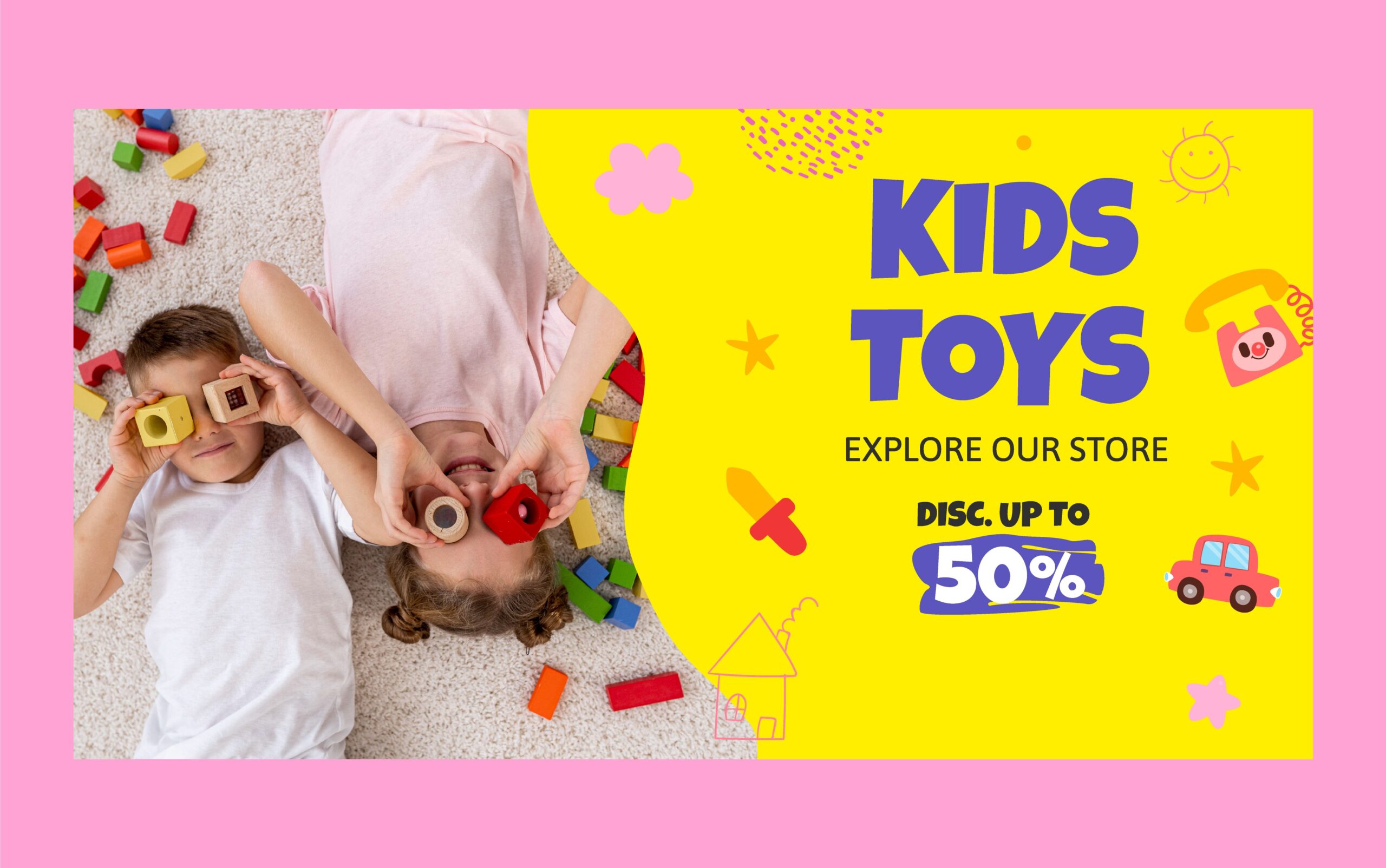
Traditional play causes the child to slow down and focus heavily on their activity. Many simple games such as building blocks, dolls, puzzles, and board games have to be accomplished through creativity and perseverance. These activities help to develop attention span, a problem that is increasingly experienced as a direct result of having to compete with all of the stimulation of modern technology. The more open-ended an activity is, the more attention the child must be able to focus.
Another area that has a direct connection to the type of toys that children are exposed to is that of emotional development. Role-playing toys, for instance, help children ventilate their feelings, understand social relationships, as well as develop empathy. With role-playing, children are also left to make sense of experiences, be it attending an actual educational institution, sharing, or comprehending relationships at home. This type of play gives the emotional release that cannot be derived from passive entertainment.
The quality of the toy is a significant factor that helps facilitate this level of development. Toys that easily break, do not work well, or make a child feel vulnerable can interfere with playtime and cause frustration instead of teaching a lesson. If children do not know whether the toy will hold up or be safe, then they might hold back on exploring. A durable toy enables children to play easily without worrying about the toy.
Safety is another aspect that is linked with emotional and mental well-being. When children have a safe play setting, they can explore it by themselves, which enhances confidence. Giving children toys that are of good size, smooth, and non-toxic enables them to play by themselves without always having to be watched, hence the importance of making them feel independent while still being safe.
Additionally, overstimulation can be a crucial element. Those toys that flash lights, make sounds, or react immediately to each move may overstimulate young brains. Even though such toys attract young minds temporarily, they can hinder creative thinking since they regulate play patterns. More passive toys allow children to devise their own rules and conclusions.
Role of Parents/Caregivers
Parents and caregivers also influence the use of toys. Buy toys online in Australia from BrandsParadise. Shared play is where the caregiver engages in play but does not control every move of the child. This in turn builds the child’s sense of being supported while also being left alone. One other thing a person might learn from viewing children playing with toys is insight into what interests them, what emotional level they are experiencing, or what phase of development they are in. Sometimes, more is learned about a child from viewing how he or she plays than from the specific toys being used.
As people learn more about mindful parenting and child development, there seems to be an awakening about the role that toys play in family life. Rather than being seen as distractions or treats, toys are increasingly recognized for what they truly are: tools for learning, for expression, for connection. Ultimately, toys have the power to affect more than playtime alone. They can also affect the way children think and feel about the world in which they live. When the play options are considered and utilized in the proper way, toys have the power to enable focus and creativity in those who play with them. In a world of speed and noise, play has the power to give children the most precious gift of all: enough time to allow children to grow up on their own schedule.