Why It’s Considered One of the Most Durable Roofing Options
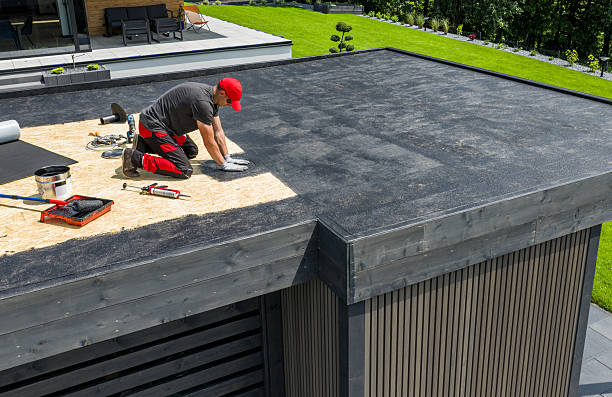
Choosing a roofing system is a long-term investment, not just a design decision. Property owners want a roof that can withstand harsh weather, resist deterioration, and maintain structural integrity for decades. Among modern options, Metal roofing has earned a reputation for exceptional durability, outperforming many traditional materials in both residential and commercial settings. Its strength, longevity, and adaptability make it a reliable solution for buildings exposed to demanding environmental conditions.
Durability in roofing is not measured by lifespan alone. It also includes resistance to impact, thermal movement, moisture intrusion, and ongoing maintenance demands. Understanding why metal systems perform so well requires a closer look at their construction, engineering, and real-world performance.
In professional roofing projects handled by Ridge Runner Construction, LLC, durability is always evaluated alongside building use, climate exposure, and structural design. Services such as roof installation, roof replacement, structural repairs, and exterior upgrades are often planned with longevity in mind, ensuring property owners receive solutions that stand the test of time rather than short-term fixes.
Material Strength and Structural Performance
Metal roofing systems are manufactured from high-strength materials such as steel, aluminum, copper, and zinc. These metals are engineered to handle extreme conditions without cracking, warping, or degrading prematurely.
Resistance to Impact and Physical Damage
Unlike asphalt shingles that can tear or loosen under stress, metal panels provide a rigid surface capable of absorbing impact. This is especially important in regions prone to hail, falling debris, or high winds. Many metal systems are rated for impact resistance and wind uplift, offering superior protection during storms.
Load-Bearing Capability
Metal panels distribute weight evenly across the roof structure. This allows them to handle snow accumulation and heavy rainfall more efficiently than many traditional roofing materials. Properly installed systems maintain structural stability without excessive sagging or stress on framing components.
Longevity Compared to Traditional Roofing Materials
One of the primary reasons metal systems are considered durable is their extended service life. While asphalt shingles often require replacement within 15 to 25 years, metal roofs commonly last 40 to 70 years when properly maintained.
Corrosion-Resistant Coatings
Modern metal roofing panels are treated with protective coatings such as galvanization, Galvalume, or specialized paint finishes. These layers prevent rust, oxidation, and surface degradation, even in humid or coastal environments.
Minimal Degradation Over Time
Unlike organic materials that break down due to UV exposure or moisture absorption, metal remains stable. It does not rot, crack, or suffer from insect damage, which significantly reduces long-term deterioration.
Performance in Extreme Weather Conditions
Durability is tested most during severe weather events. Metal roofing consistently performs well in environments that challenge other roofing systems.
Wind Resistance
Interlocking panel designs and concealed fasteners allow metal roofs to resist uplift forces during high winds. Many systems are rated to withstand hurricane-level gusts, making them suitable for storm-prone regions.
Fire Resistance
Metal roofing materials are non-combustible and carry high fire ratings. This makes them an excellent choice in areas susceptible to wildfires or where building codes prioritize fire safety.
Thermal Stability
Metal expands and contracts with temperature changes, but engineered fastening systems allow controlled movement without compromising structural integrity. This prevents cracking and fastener failure over time.
Maintenance Requirements and Long-Term Reliability
Durability is closely tied to maintenance needs. Roofing systems that require frequent repairs or replacement components lose value over time.
Reduced Maintenance Demands
Metal roofs require minimal upkeep compared to shingles or wood systems. Occasional inspections, debris removal, and fastener checks are typically sufficient to maintain performance.
Fewer Repairs Over Time
Because metal panels resist common failure points such as curling, splitting, and granule loss, repairs are less frequent. This reliability reduces lifetime ownership costs and disruption for property owners.
Environmental and Structural Advantages
Durability also extends to environmental performance and building efficiency.
Resistance to Moisture Intrusion
Metal roofing sheds water efficiently, reducing the risk of leaks, mold growth, and structural rot. Seam designs and underlayment systems further enhance moisture protection.
Energy Efficiency Benefits
Reflective coatings help reduce heat absorption, lowering interior temperatures and easing strain on HVAC systems. Over time, this contributes to lower energy consumption and improved indoor comfort.
Comparison With Other Roofing Systems
Understanding durability requires direct comparison with alternative materials.
Asphalt Shingles
Shingles are affordable but vulnerable to wind damage, UV degradation, and moisture penetration. Their shorter lifespan often leads to multiple replacements over a building’s life.
Tile and Slate
While tile and slate are durable, they are heavy and require reinforced structural support. Metal roofing offers comparable longevity without excessive load on the building.
Wood Shakes
Wood provides aesthetic appeal but suffers from rot, insect damage, and fire risk. Metal systems eliminate these vulnerabilities while maintaining design flexibility.
Conclusion
Durability in roofing is about resilience, reliability, and long-term performance. Metal roofing consistently delivers in all three areas by combining material strength, weather resistance, and minimal maintenance demands. Its ability to outperform traditional systems across decades of use makes it a preferred choice for property owners who value long-term protection and structural integrity. When durability is the priority, metal systems stand as one of the most dependable roofing solutions available today.
FAQs
How long does a metal roof typically last?
Most metal roofing systems last between 40 and 70 years, depending on material type, installation quality, and environmental exposure.
Is metal roofing noisy during rain?
When properly installed with insulation and decking, metal roofs are no noisier than other roofing systems.
Can metal roofs rust over time?
Modern coatings and finishes are designed to prevent corrosion, making rust uncommon when installation and maintenance standards are followed.
Does metal roofing work for residential homes?
Yes, metal roofing is suitable for both residential and commercial properties and is available in styles that complement traditional and modern designs.
Is metal roofing more expensive upfront?
Initial costs may be higher, but reduced maintenance, energy savings, and longer lifespan often make it more cost-effective over time.