What to Know Before You Consider Plastic Surgery
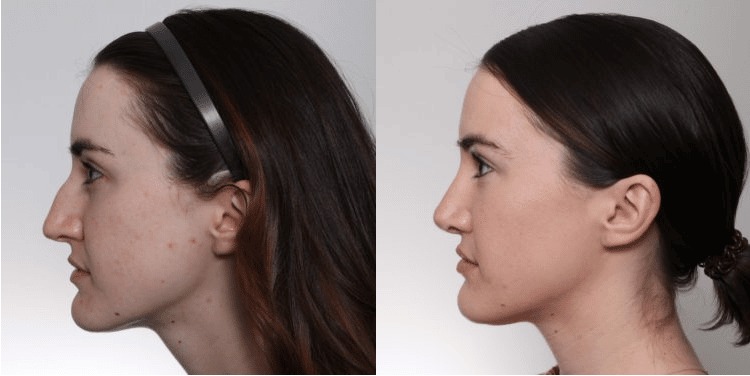
Thinking about plastic surgery raises many questions. Some people want to smooth lines or reshape a feature. Others might look into facial plastic surgery after an injury or health issue. No matter the reason, it’s important to understand how these procedures work and how to prepare.
What Counts as Plastic Surgery?
Plastic surgery includes many procedures, both reconstructive and cosmetic. The goal could be to improve how a body part looks or functions. For example, some people choose surgery to repair scars or fix breathing issues in the nose. Others focus on personal appearance and body image goals.
Facial plastic surgery refers specifically to the face and neck. It includes procedures like:
- Rhinoplasty (reshaping the nose)
- Facelifts (tightening loose skin)
- Eyelid surgery (removing excess skin or puffiness)
- Chin or cheek implants (for added definition)
Body procedures may include liposuction, breast augmentation, or tummy tucks. Some surgeries require general anesthesia and a longer recovery period, while others have minimal recovery time.
Questions to Ask Before Moving Forward
Plastic surgery should never feel rushed. It’s your body, so it’s worth asking the right questions. Here are a few things to think about:
- What are my goals? Write them down and talk them over with your provider.
- What result do I expect? Have a clear idea of what you’re hoping to change.
- What is the recovery process like? Ask about time off work, healing, and aftercare.
- Are there risks I should know about? Every surgery carries some risk. Know them ahead of time.
- Is this the right provider for me? Your comfort with the surgeon matters. Choose someone who listens and explains things clearly.
Who Is a Good Candidate for Plastic Surgery?
Not everyone is ready for surgery right away. A good candidate for plastic surgery usually:
- Has clear, realistic goals
- Is in good overall health
- Is not a smoker (smoking slows healing)
- Understands the recovery timeline
For facial plastic surgery, age also plays a role. For example, a younger person seeking rhinoplasty may need a different plan than someone considering a facelift. Your provider will tailor recommendations based on your age, facial structure, and skin condition.
Common Misunderstandings About Plastic Surgery
Some people think plastic surgery is only about vanity. In reality, many procedures are functional or reconstructive. Others believe recovery will be fast and easy, but some treatments involve swelling, bruising, or downtime.
It’s also common to assume one procedure will “fix” everything. In truth, plastic surgery often provides subtle improvements, not a total transformation. Your provider should be honest about what’s possible and what’s not.
The Importance of Certified Providers
Only trained, licensed professionals should perform plastic surgery. Look for credentials such as:
- Board certification in plastic or facial surgery
- Years of experience with the specific procedure
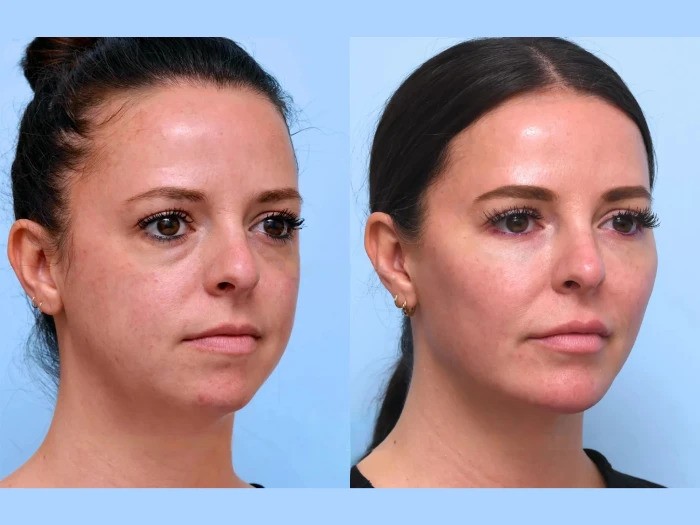
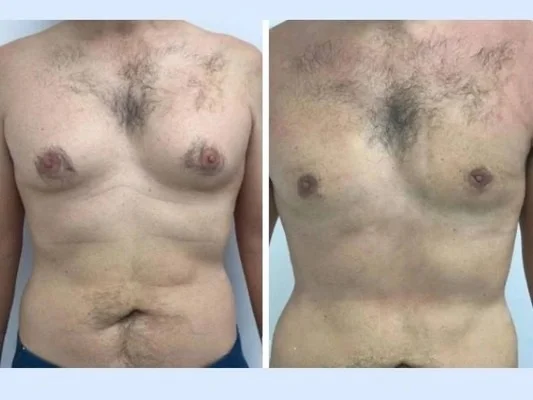
- Before-and-after photos from real patients
- Transparent discussions about safety and expectations
You should feel confident asking questions during a consultation. If you feel rushed, dismissed, or unsure, it’s worth meeting with someone else.
Non-Surgical Alternatives to Explore
Some people start with non-surgical treatments before committing to surgery. These include:
- Dermal fillers to add volume or smooth wrinkles
- Botox for muscle-related lines
- Chemical peels or laser resurfacing for skin texture
- Thread lifts to gently tighten the skin
These options may offer shorter recovery and lower cost, but the results won’t be as dramatic or long-lasting as surgery. Your provider can help compare the options based on your goals.
Recovery: What to Expect
Each procedure has its own healing timeline. After most facial plastic surgery, you can expect:
- Swelling or bruising for 1–2 weeks
- Some discomfort or tightness
- Temporary limits on movement, lifting, or makeup use
- Follow-up visits to track healing
Taking time off work and planning for rest is important. Avoiding sun exposure and following all aftercare instructions will support better results.
Final Thoughts
Plastic surgery can support confidence, comfort, or function, but it’s not a quick fix. It’s a medical decision that works best when informed by data and realistic goals. Ask the right questions, understand the risks, and take your time selecting the right provider.
Whether you’re exploring facial plastic surgery or another type of procedure, the best results come from planning, patience, and professional support. The more informed you are, the more confident you’ll feel about your decision.
For More Articles Visit: https://overlypost.com/