Why NDIS Housing Plays a Critical Role in Long-Term Disability Support
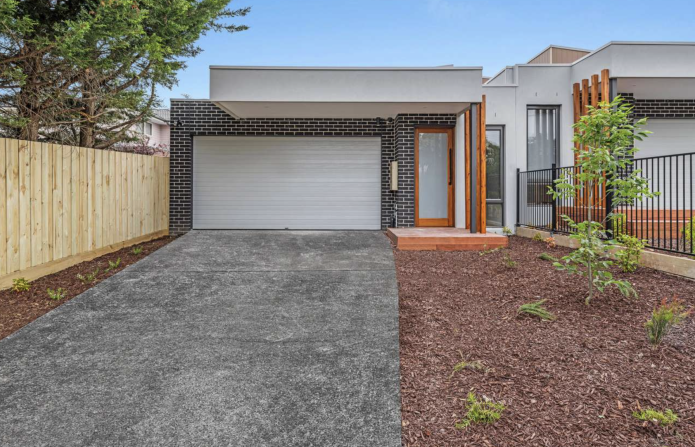
Access to safe, stable, and supportive housing is one of the most important foundations for people living with disability. Under the National Disability Insurance Scheme (NDIS), housing is not just about providing a roof over someone’s head—it is about enabling independence, dignity, and long-term wellbeing. NDIS housing solutions are carefully designed to support participants with diverse needs while promoting autonomy and community inclusion.
The Foundation of Independence and Stability
NDIS housing provides a structured and secure living environment that allows individuals with disabilities to live as independently as possible. Stable accommodation reduces uncertainty, stress, and risk, especially for participants who require daily assistance or supervision. When housing is tailored to a person’s physical, emotional, and cognitive needs, it creates a foundation for long-term growth and improved quality of life.
Purpose-built homes also incorporate accessibility features such as wider doorways, assistive technologies, and adaptable layouts. These design elements allow residents to move freely within their homes, increasing confidence and reducing reliance on others for everyday tasks.
Supported Independent Living Accommodation: Empowering Daily Life
Supported Independent Living (SIL) accommodation is a key component of NDIS housing. SIL provides participants with ongoing assistance while encouraging independence in daily activities such as cooking, personal care, budgeting, and social engagement. The level of support is personalised, ensuring individuals receive help where needed without limiting their ability to make choices.
This model is especially effective for participants who want to live with others while maintaining personal autonomy. Shared living arrangements also foster social interaction, reducing isolation and promoting emotional wellbeing.
The Role of Disability Support Work in Housing Success
The effectiveness of NDIS housing largely depends on high-quality disability support work. Support workers play a vital role in helping participants manage daily routines, achieve personal goals, and develop life skills. Beyond physical assistance, they provide emotional support, encouragement, and stability.
Consistent and skilled support workers help build trust and familiarity, which is particularly important for individuals with communication challenges or complex emotional needs. Their presence ensures housing environments remain safe, respectful, and responsive to each resident’s requirements.
Short Term Accommodation as a Flexible Support Option
Short Term Accommodation (STA), often referred to as respite, is another important aspect of NDIS housing. STA provides temporary housing and care for participants who need a change of environment, transitional support, or emergency accommodation.
This type of housing benefits both participants and their families or carers. For individuals, it offers opportunities to build independence, socialise, and experience new settings. For carers, it provides essential rest while ensuring their loved ones continue to receive quality care in a safe environment.
Meeting Complex Care Needs Through Specialised Housing
Participants with Complex Care Needs NDIS require housing solutions that go beyond standard support. NDIS housing for complex needs may include 24/7 supervision, specialised equipment, and highly trained staff capable of managing medical, behavioural, or psychological challenges.
These tailored environments help prevent hospitalisation, reduce crisis situations, and ensure continuity of care. By addressing complex needs within the home, participants can enjoy greater comfort, safety, and long-term stability.
Long-Term Benefits for Individuals and Communities
NDIS housing does more than support individuals—it strengthens communities. When people with disabilities are supported to live safely and independently, they are more likely to participate in education, employment, and social activities. This inclusion promotes understanding, reduces stigma, and builds more diverse and compassionate communities.
In the long term, well-planned NDIS housing reduces reliance on emergency services and institutional care, creating more sustainable support systems for participants and their families.
Conclusion
NDIS housing plays a critical role in long-term disability support by providing stability, independence, and personalised care. Through Supported Independent Living accommodation, Short Term Accommodation, skilled disability support work, and specialised housing for complex care needs, participants are empowered to live fulfilling and meaningful lives. By investing in the right housing solutions, the NDIS supports not just individual wellbeing, but a more inclusive future for everyone.