Calorie Calculator: How to Harness the Power of Calories
In the world of health and fitness, one of the most commonly discussed topics is calories. From weight loss to muscle gain, the balance of how many calories you consume versus how many calories you burn plays a crucial role in achieving your goals. If you’re new to the concept of calorie management, or if you’ve been struggling to find a sustainable plan, using an online calorie calculator could be the key to success. In this blog post, we’ll dive into the ins and outs of calorie calculators, how they work, and why they’re indispensable for anyone serious about their health and fitness journey.
What is a Calorie Calculator?
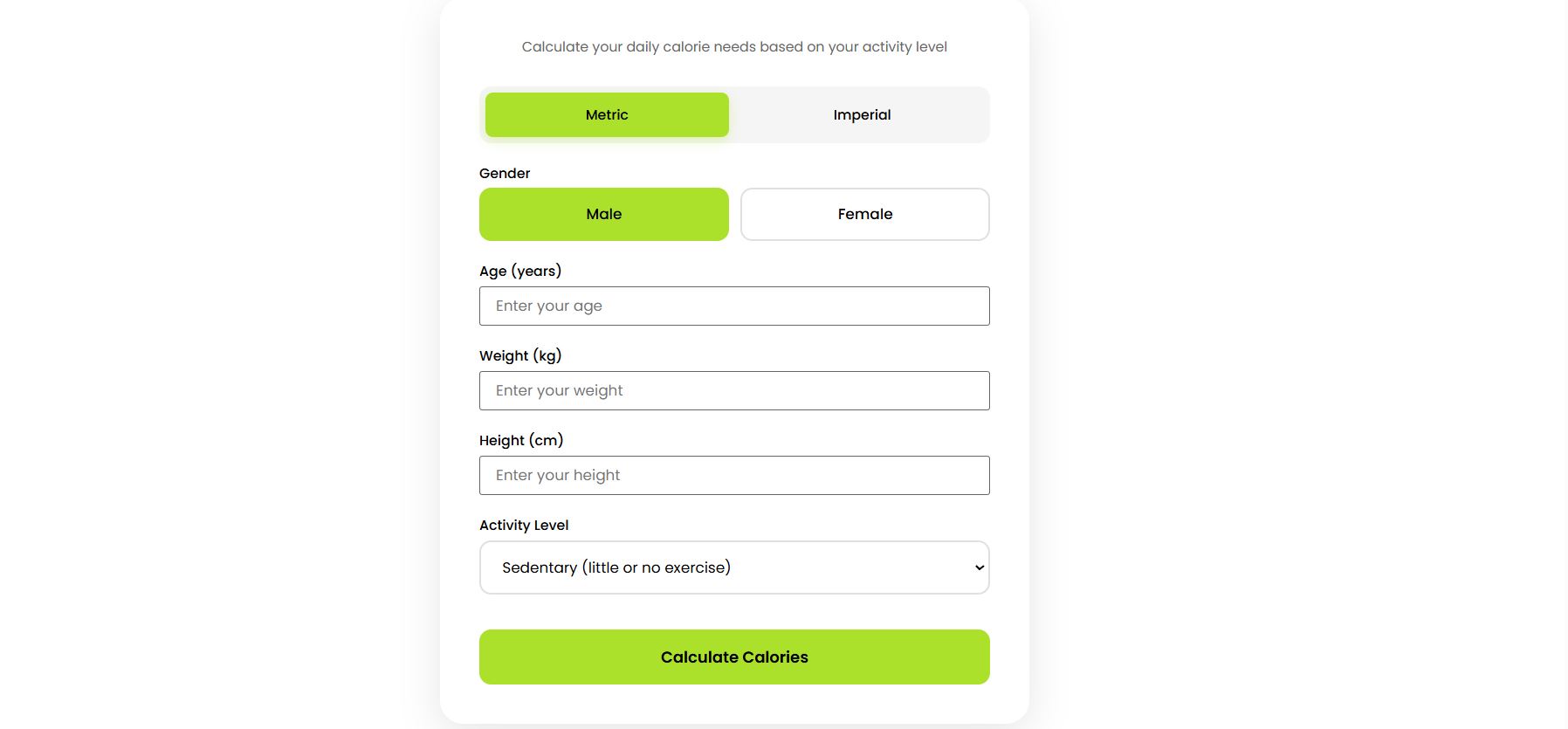
A calorie calculator is an online tool or app designed to estimate the number of calories you need to consume each day to meet your health or fitness objectives. Whether your goal is weight loss, muscle gain, or simply maintaining a healthy lifestyle, a calorie calculator can provide personalized insights tailored to your body, age, activity level, and goals. By entering specific information about yourself, such as your height, weight, age, gender, and level of physical activity, the calculator gives you a caloric target to help guide your eating habits.
The Science Behind a Calorie Calculator
To fully understand how a calorie calculator works, it’s essential to grasp the concept of Total Daily Energy Expenditure (TDEE). TDEE is the total amount of energy (calories) your body needs to perform all of its daily functions, including breathing, digestion, movement, and exercise. The calculator determines your TDEE based on several important factors:
- Basal Metabolic Rate (BMR): This is the number of calories your body requires to perform basic life-sustaining functions like breathing, circulating blood, and regulating body temperature. BMR accounts for a significant portion of your TDEE, usually around 60–75% of the total.
- Physical Activity: The calories burned through any form of physical activity, from simple movements like walking to more intense activities like running or weightlifting, are factored into the calculator.
- Thermic Effect of Food (TEF): The energy your body uses to digest and process food. Although this accounts for a small portion of your TDEE (around 10%), it’s still considered when calculating your overall caloric needs.
- Non-Exercise Activity Thermogenesis (NEAT): These are the calories burned through non-exercise activities, such as fidgeting, standing, and even cleaning. Although often overlooked, NEAT plays an essential role in daily energy expenditure.
The total sum of these factors is what helps the calorie calculator estimate how many calories you need to eat each day to maintain your current weight or achieve your specific goals.
Why Use a Calorie Calculator?
Knowing your daily caloric needs is crucial for anyone trying to take control of their health and wellness. Here’s why you should consider using a calorie calculator:
- Helps You Achieve Your Goals
Whether you’re aiming to lose weight, gain muscle, or just maintain your current weight, a calorie calculator helps you identify the right caloric intake to reach your target. It takes the guesswork out of the equation, ensuring that you’re consistently aligned with your fitness goals. - Prevents Under-Eating or Over-Eating
Without a calorie calculator, it’s easy to either eat too little or too much. Consuming too few calories can slow your metabolism and deprive your body of essential nutrients, while overeating can lead to weight gain. A calorie calculator ensures that you’re eating just the right amount to support your lifestyle. - Provides a Personalized Approach
One-size-fits-all calorie guidelines rarely work because everyone’s body is different. A calorie calculator allows you to input your personal data and get an individualized result that is far more accurate than generic recommendations. - Informs Food Choices
When you have a clear target for your caloric intake, you can make better food choices and plan meals more effectively. A calorie calculator provides a framework within which you can enjoy a balanced diet while working towards your goals. - Supports a Sustainable Approach
Understanding how many calories your body requires daily makes it easier to stick to a sustainable nutrition plan. Whether you’re in a calorie deficit (to lose weight) or a surplus (to gain muscle), knowing how many calories to consume makes it easier to stay on track without feeling deprived or overstuffed.
How to Use a Calorie Calculator
Using a calorie calculator is a straightforward process. Most calculators require you to enter basic details about yourself to get an estimate. Here’s how you can use it effectively:
- Enter Your Basic Information:
To get started, you’ll need to input essential information, such as:- Age
- Gender
- Height
- Weight
- Activity Level: This is a crucial factor that will help adjust your caloric needs based on how active you are.
- Choose Your Goal:
Once the calculator has your basic data, you’ll need to indicate what you’re trying to achieve. Whether you’re aiming to:- Lose weight (caloric deficit)
- Maintain weight (caloric maintenance)
- Gain weight (caloric surplus)
- Review Your Results:
After inputting your data, the calorie calculator will provide an estimate of how many calories you should consume daily. This estimate will typically be accompanied by suggested macronutrient breakdowns (the amount of protein, carbs, and fat) that can help you meet your specific goals. - Adjust as Necessary:
It’s important to track your progress regularly and adjust your calorie intake as needed. For example, if you’re not losing weight after following the recommended caloric intake for a few weeks, you may need to reduce your daily calories slightly. Conversely, if you’re not seeing muscle growth, you might need to eat more to fuel your workouts.
Common Mistakes When Using a Calorie Calculator
While calorie calculators are useful tools, there are some common mistakes people often make when using them:
- Underestimating Activity Level:
Many individuals tend to underestimate their activity levels, which results in a lower caloric estimate than needed. Be honest about your exercise habits to get a more accurate number. - Focusing Solely on Calories:
It’s easy to get caught up in calorie counting, but it’s also important to consider the quality of the food you’re eating. Choose nutrient-dense foods like whole grains, lean proteins, fruits, and vegetables to nourish your body while achieving your goals. - Not Accounting for Changes in Progress:
As your body changes—whether you’re losing fat or building muscle—your caloric needs may shift. Regularly revisiting your calorie calculator results is important to ensure that you‘re still on track. - Relying Too Heavily on the Calculator:
While calorie calculators are great for providing a starting point, they’re not foolproof. There are many factors—such as hormones, sleep, stress, and genetics—that influence your calorie needs. Listen to your body and adjust accordingly.
The Importance of Tracking Progress
Once you’ve used the calorie calculator to determine your target caloric intake, the next step is tracking your progress. Keeping a food diary, using a calorie tracking app, or simply paying attention to your energy levels, hunger cues, and performance in the gym can help you determine if your current plan is working. Make sure to check in with your goals periodically and adjust your calorie intake or exercise regimen if needed.
Conclusion
At Calcversa, a calorie calculator is an essential tool for anyone looking to take control of their health, fitness, and nutrition. By understanding how many calories your body needs, you can tailor your diet to meet your personal goals, whether that’s losing weight, gaining muscle, or maintaining your current weight. When used correctly, a calorie calculator can provide a personalized and effective way to help you make smarter food choices, track your progress, and stay on course.