Modern Electrical Repair Methods You Should Know
Modern vehicles rely heavily on sophisticated electrical systems that control everything from engine performance to safety features and driver convenience. As automotive technology continues to advance, electrical diagnostics and repair methods have become more precise, making professional expertise more valuable than ever. Freedom Auto Repair understands that accurate diagnostics, advanced equipment, and skilled technicians are essential for maintaining dependable vehicle performance and preventing costly electrical failures.
Understanding Modern Automotive Electrical Systems
Today’s vehicles contain hundreds of electrical components working together to ensure smooth operation. From ignition systems to advanced safety technologies, every electrical circuit plays an important role.
Electronic Control Modules
Modern vehicles use multiple electronic control modules (ECMs) to manage engine performance, transmission operation, fuel delivery, and emissions. These computers constantly communicate with sensors throughout the vehicle to maintain peak efficiency.
Wiring Networks
Automotive wiring harnesses have become increasingly complex. Proper routing, insulation, and connector integrity help ensure reliable communication between electrical components and reduce the risk of intermittent failures.
Sensors and Actuators
Modern vehicles depend on sensors that monitor engine temperature, oxygen levels, air intake, wheel speed, and numerous other operating conditions. Actuators then respond by adjusting vehicle systems for optimal performance.
Advanced Diagnostic Technology
Electrical repair has changed dramatically thanks to modern diagnostic equipment that improves both accuracy and efficiency.
Computerized Scan Tools
Professional scan tools communicate directly with vehicle computers to retrieve fault codes, monitor live system data, and identify electrical problems without unnecessary component replacement.
Digital Multimeters
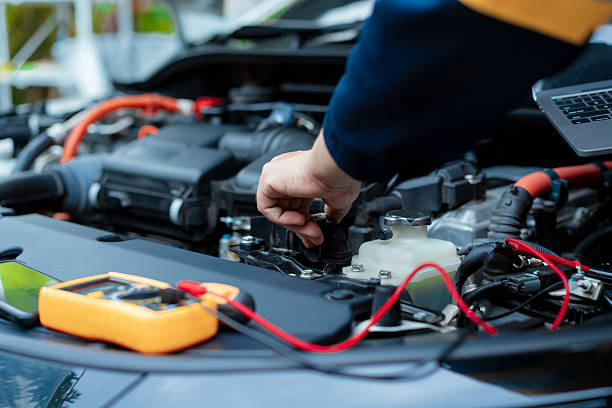
Digital multimeters measure voltage, resistance, amperage, and continuity, allowing technicians to accurately diagnose wiring issues, battery problems, and electrical circuit failures.
Oscilloscopes
Advanced oscilloscopes display electrical waveforms in real time, helping technicians identify sensor failures, ignition problems, and communication errors that standard testing may overlook.
Common Electrical Problems
Electrical issues can affect nearly every vehicle system, making early diagnosis extremely important.
Battery and Charging Issues
Weak batteries, faulty alternators, or damaged charging circuits often cause difficult starting, dim lights, and warning indicators on the dashboard.
Wiring Damage
Heat, vibration, moisture, and age can damage wiring insulation or connectors, leading to intermittent electrical faults that may become increasingly difficult to diagnose.
Blown Fuses and Relays
Fuses and relays protect electrical circuits from overload. Repeated fuse failures often indicate underlying wiring or component problems that require professional attention.
Innovations Improving Electrical Repairs
The automotive industry continues introducing technologies that improve electrical system reliability and diagnostic precision.
Intelligent Battery Monitoring
Many modern vehicles continuously monitor battery condition, charging performance, and electrical demand, providing early warning when service is needed.
Network Communication Systems
Controller Area Network (CAN) technology allows multiple vehicle computers to communicate efficiently, improving system coordination while simplifying diagnostics.
Software-Based Diagnostics
Manufacturers regularly update vehicle software to improve system operation, correct programming issues, and enhance compatibility between electronic components.
Preventive Maintenance for Electrical Systems
Routine inspections help reduce unexpected failures while extending the life of critical electrical components.
Battery Terminal Inspection
Keeping battery terminals clean and secure improves electrical conductivity while reducing voltage loss caused by corrosion.
Charging System Testing
Periodic alternator and voltage regulator testing helps ensure the battery receives proper charging under various operating conditions.
Wiring Inspections
Inspecting connectors, wiring harnesses, and protective coverings helps identify wear before electrical failures occur.
Why Professional Diagnostics Matter
Modern automotive electrical systems are interconnected, making accurate diagnosis essential. Replacing parts without proper testing often increases repair costs while failing to solve the actual problem.
Accurate Fault Identification
Professional technicians follow systematic testing procedures that isolate electrical faults before replacing components.
Manufacturer Repair Procedures
Following manufacturer service information ensures repairs meet design specifications and maintain vehicle reliability.
Specialized Equipment
Professional repair facilities invest in diagnostic technology capable of evaluating today’s advanced electrical systems accurately.
Electrical Safety Considerations
Working with automotive electrical systems requires proper knowledge and safety practices.
Protecting Sensitive Electronics
Incorrect testing methods can damage expensive electronic modules. Professional equipment is designed to safely diagnose complex systems.
High-Voltage Vehicle Systems
Hybrid and electric vehicles require specialized safety procedures when servicing high-voltage electrical components.
Proper Component Installation
Correct installation techniques help prevent wiring damage, connector failures, and future electrical issues.
Future Trends in Automotive Electrical Repair
Vehicle technology continues evolving as manufacturers introduce smarter electrical systems and increased automation.
Predictive Diagnostics
Artificial intelligence and advanced monitoring systems are helping technicians identify developing electrical problems before complete failure occurs.
Connected Vehicle Technology
Remote diagnostics allow certain vehicle systems to report faults earlier, supporting proactive maintenance and faster repair planning.
Increased Electrification
As hybrid and electric vehicles become more common, electrical repair expertise will continue expanding to support advanced power management systems and battery technologies.
Frequently Asked Questions
What causes most automotive electrical problems?
Battery issues, damaged wiring, and faulty sensors are among the most common causes.
How often should the charging system be inspected?
It should be checked during routine maintenance or whenever starting problems occur.
Can a weak battery affect vehicle electronics?
Yes, insufficient voltage can impact many electronic systems.
Why are diagnostic scan tools important?
They identify electrical faults accurately while reducing unnecessary repairs.
Should electrical warning lights be ignored?
No, warning lights should be diagnosed promptly to prevent larger problems.
Conclusion
Modern automotive electrical systems require advanced diagnostics, specialized equipment, and experienced technicians to ensure dependable performance. Choosing professional Electrical repair in Valdosta GA helps protect your vehicle’s electronics, improve reliability, and keep every system operating safely and efficiently.