Wood Checking Repair: Understanding, Preventing, and Treating Checks
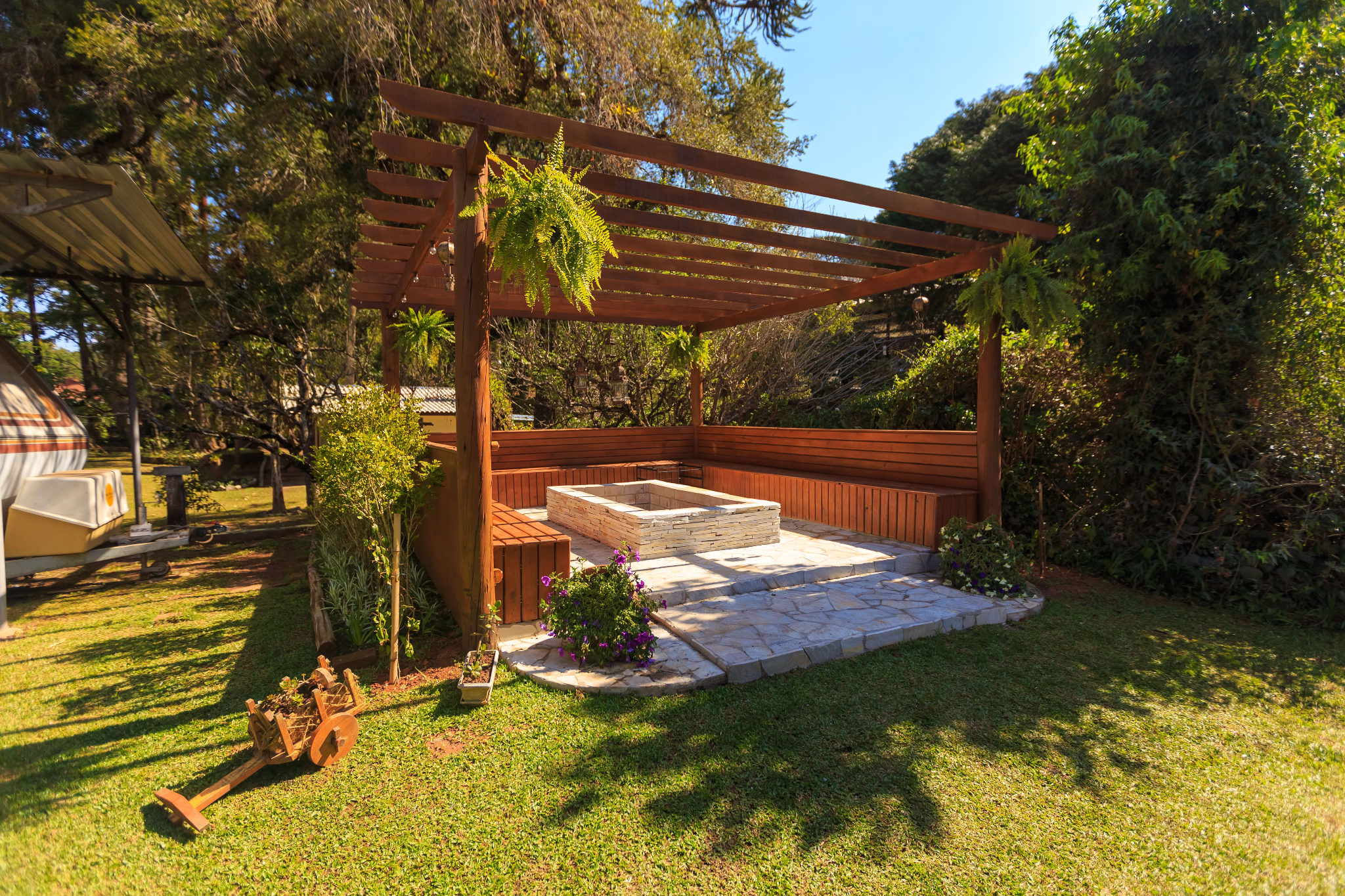
Walk up to almost any large timber beam outdoors—a pergola post, a barn frame, a timber bridge—and you’ll likely see surface cracks running along the grain. These cracks are called checks, and they’re one of the most misunderstood characteristics of natural timber construction. Homeowners often panic when they see checking in wood beams, assuming the structure is failing. In the vast majority of cases, checks are cosmetic, not structural—but knowing when that changes matters.
What Is Checking in Wood
Checking occurs when wood dries unevenly. The outer layers of a timber lose moisture faster than the interior, causing the surface to shrink while the core remains at a higher moisture content. This differential shrinkage creates tension that the wood relieves by splitting along the grain, producing the characteristic surface cracks called checks.
Checking is a natural and expected characteristic of solid timber, especially large-dimension material. A 6×6 post or an 8×10 beam contains significant mass, which means the drying differential between surface and core is substantial—particularly in exterior applications where weather cycling accelerates surface moisture changes.
Kiln-dried timber checks less than green or air-dried timber, but even well-dried material will produce some surface checking once installed and exposed to outdoor conditions. This is not a defect—it’s wood behaving as wood does.
When Checking in Wood Beams Becomes a Structural Concern
The distinction between cosmetic and structural checking involves two factors: depth and location. Shallow surface checks that run only a fraction of the timber’s depth are cosmetic. Deep checks that extend more than one-third the timber’s depth can potentially affect structural capacity, particularly in beams subject to bending loads.
Horizontal checks on the top or bottom face of a horizontally-loaded beam (the tension and compression zones) warrant closer evaluation than checks on the sides. Checks that run through joinery locations—through mortise and tenon joints, bolt holes, or connection points—need professional assessment because they may affect the connection’s integrity.
If you’re uncertain whether a check is structural, consulting a structural engineer who has experience with timber frame construction is the appropriate step. Fortunately, in most residential pergola, carport, and outdoor structure applications, the loading is modest and checks are almost universally cosmetic.
Wood Checking Repair Approaches
For cosmetic checks that are not affecting structural performance, wood checking repair is primarily a moisture management issue. Open checks allow water to collect inside the timber, which can accelerate decay at the check location over time. Sealing checks with an appropriate flexible caulk or sealant reduces water infiltration while accommodating the timber’s continued movement.
Use a sealant specifically formulated for wood—flexible, paintable products designed for exterior use. Rigid sealants will crack as the timber continues to move seasonally, defeating the purpose of the repair. For decorative timber where appearance is important, tinted sealants that blend with the wood color are available.
For larger checks, a backer rod (foam rope) installed in the check cavity before sealant application provides a stable substrate and reduces the amount of sealant required. This is particularly useful in checks wide enough that sealant alone won’t fill cleanly.
What Not to Do
Resist the temptation to fill large checks with rigid wood filler or epoxy products. These materials don’t accommodate seasonal wood movement and will pop out—often damaging the surrounding wood surface in the process. The timber needs the flexibility to continue moving, and repair materials need to move with it.
Similarly, don’t attempt to clamp or force a large check closed. The forces that created the check are significant, and forcing closure simply transfers the stress elsewhere, potentially creating new checks or damaging joinery.
Prevention Through Proper Specification
The most effective approach to minimizing checking is specifying appropriately dried timber and protecting it from excessive moisture cycling after installation. Kiln-dried material, prompt finishing after installation, and adequate roof overhang protection for outdoor timber structures all reduce the rate and severity of checking significantly.
Conclusion
Checking in wood beams is overwhelmingly a cosmetic phenomenon in typical residential timber frame applications. Understanding why it happens, recognizing when it warrants professional evaluation, and applying appropriate sealant maintenance allows homeowners to manage this natural wood characteristic confidently—without unnecessary concern or premature intervention.