Best Free DLS Calculator for Accurate Revised Scores
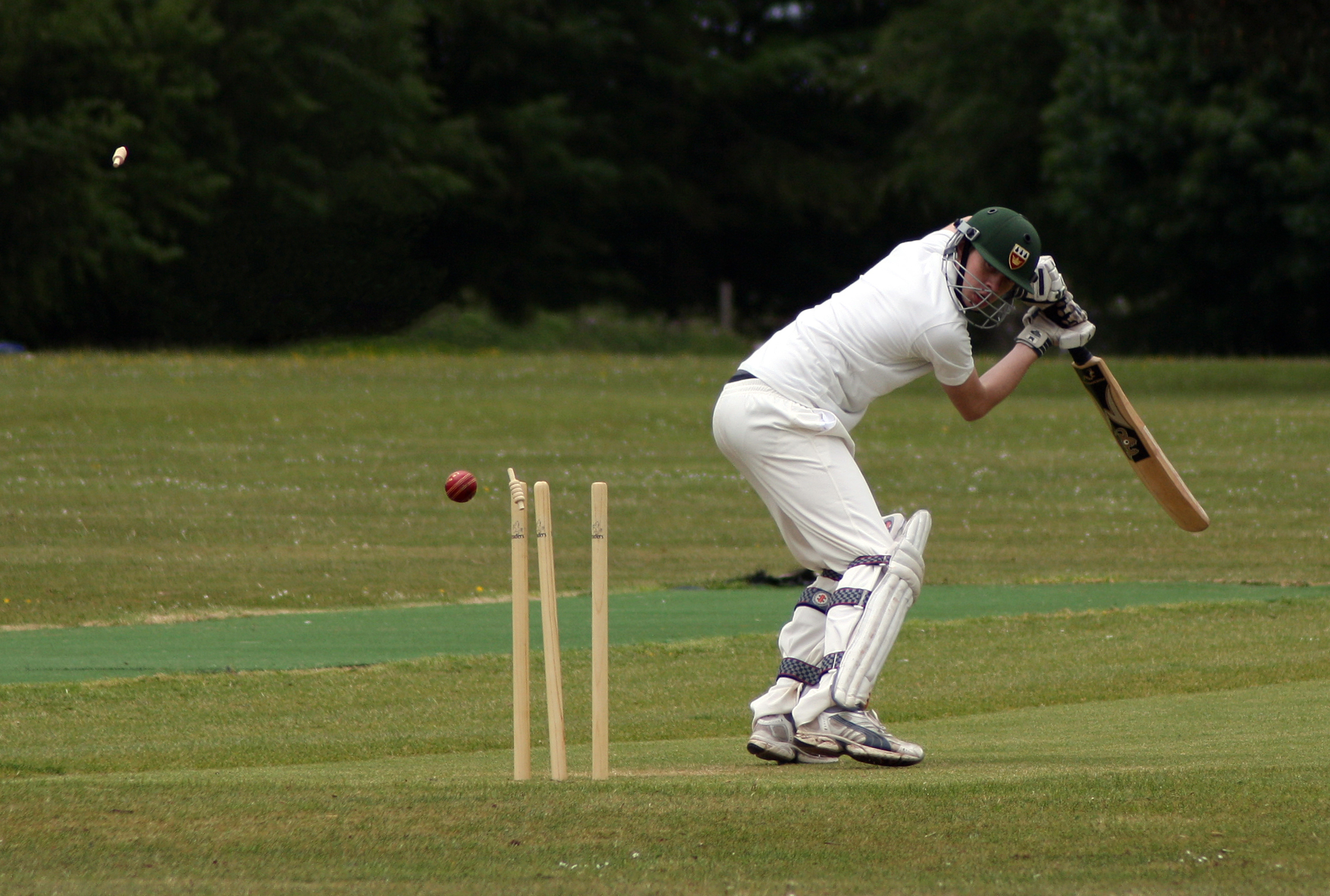
Rain changes everything in cricket. One moment a team is cruising, and the next the covers are on. Then comes the big question: what’s the new target?
That is where a best free DLS calculator becomes essential for fans, scorers, and local tournament organizers. Instead of guessing, you get a precise revised score based on overs and wickets. In this guide, you will learn how to use a free DLS calculator step by step and understand the numbers behind rain affected matches.
What is a free DLS calculator?
A free DLS calculator is an online tool that applies the Duckworth Lewis Stern method to compute revised targets in limited overs matches affected by rain.
It works by calculating resources remaining for the chasing team based on:
-
Overs left
-
Wickets lost
-
Original match format
-
First innings total
The tool then adjusts the target so that both teams compete fairly despite interruptions.
Most online versions mirror the ICC approved system used in ODI and T20 matches.
Why accuracy matters in DLS calculations
DLS is not just about reducing overs. It balances scoring potential with wickets in hand.
If a team has:
-
Many wickets remaining, their scoring potential is higher
-
Few wickets left, their potential drops sharply
-
Fewer overs, their chances to accelerate reduce
A reliable calculator factors all of this instantly. In local leagues, even a 3 run error can decide the result. That is why using a trusted free DLS calculator is better than manual estimates.
Accuracy keeps matches fair and avoids post match disputes.
How to use the best free DLS calculator step by step
Using a free DLS calculator is simple if you enter the correct match data. Follow these steps carefully.
First, gather the basic information from the match:
-
Total overs scheduled per side
-
First innings total score
-
Overs faced in first innings
-
Overs available in second innings after rain
-
Wickets lost by chasing team at interruption
Once you have this, open a free DLS calculator online and enter the values.
Here is how the process works inside the tool:
-
It assigns 100 percent resources to Team 1 at the start
-
It calculates how many resources Team 1 actually used
-
It checks how many resources Team 2 has left
-
It adjusts the target proportionally
After calculation, the tool will show:
-
Revised target
-
Par score at interruption
-
Runs needed from remaining balls
The output appears instantly, which helps commentators, scorers, and captains make quick decisions.
Example: Using a free DLS calculator in a T20 match
Let’s walk through a realistic example from a T20 league scenario.
Team A scores 182 in 20 overs.
Team B starts chasing and reaches 75 for 2 in 8 overs. Rain interrupts play. The match is reduced to 15 overs per side.
Here is what you enter:
-
Original overs: 20
-
Revised overs: 15
-
First innings score: 182
-
Current score: 75 for 2
-
Overs completed: 8
The calculator evaluates remaining resources. Since Team B has 7 overs left and 8 wickets in hand, their scoring potential remains strong.
The revised target might become, for example, 150 in 15 overs.
If the match ends immediately at 8 overs, the calculator also provides a par score. If Team B is ahead of par, they win. If behind, they lose.
This removes confusion and ensures transparency.
Features to look for in a good free DLS calculator
Not all calculators are equal. Some use outdated tables or simplified formulas.
Choose one that offers:
-
Official DLS resource tables
-
Support for ODI and T20 formats
-
Instant recalculation after new interruptions
-
Clear display of par score
-
Mobile friendly interface
A clean interface matters during live scoring. In tense matches, you do not want clutter or unclear numbers.
Common mistakes while using a DLS calculator
Even with a good tool, wrong inputs lead to wrong results.
Avoid these common errors:
-
Entering total overs instead of revised overs
-
Forgetting wickets lost at interruption
-
Confusing completed overs with scheduled overs
-
Ignoring multiple rain breaks
Always double check match format and overs remaining before confirming the result.
Small entry mistakes can change the target dramatically.
Frequently asked questions about free DLS calculators
What is the best free DLS calculator online?
The best free DLS calculator is one that follows official ICC resource tables and updates targets instantly based on overs and wickets.
Is a free DLS calculator accurate?
Yes, if it uses official resource percentages, it produces accurate revised scores.
Can I use a DLS calculator for local tournaments?
Yes. Many grassroots leagues use free DLS calculators for rain affected matches.
Does DLS apply in T20 cricket?
Yes. The DLS method is used in T20 Internationals and franchise leagues.
What inputs are required for DLS calculation?
You need original overs, revised overs, first innings score, wickets lost, and overs completed.
What is par score in DLS?
Par score is the score needed at a specific point to stay level in a rain shortened match.
Can DLS increase the target?
Yes. If the chasing team has strong resources left, the target can increase.
Is DLS used in Test matches?
No. DLS applies only to limited overs cricket.
Who created the DLS method?
Frank Duckworth and Tony Lewis created it. Steven Stern later modified it.
Why is DLS better than run rate method?
Because it accounts for wickets and scoring patterns, not just runs per over.
Final thoughts on choosing the best free DLS calculator
Rain delays will always test teams and fans. But confusion does not have to follow.
A best free DLS calculator gives clarity within seconds. Whether you are scoring a local match or following an IPL thriller, accurate revised targets keep the game fair.
Next time rain interrupts play, open a trusted DLS calculator, enter the numbers carefully, and track the par score like a seasoned analyst.