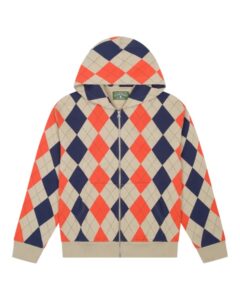
Denim Tears: The Streetwear Brand Using Fashion
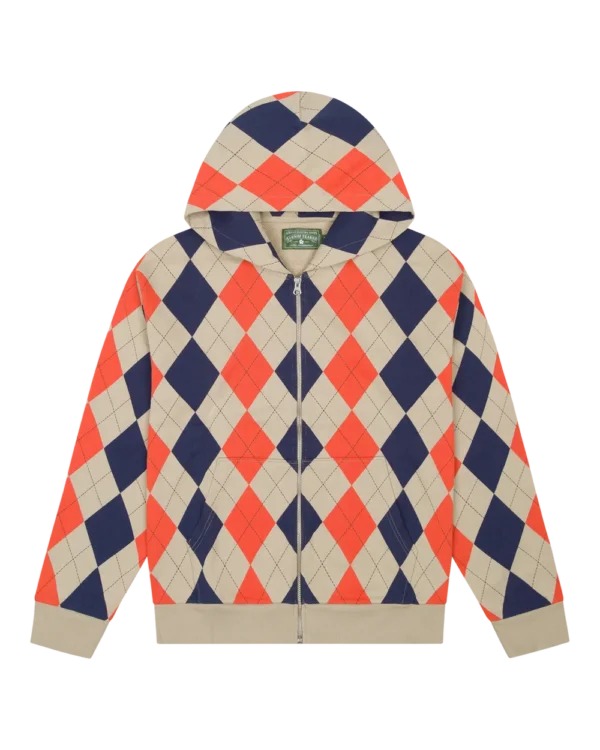
Denim Tears: The Streetwear Brand Using Fashion to Tell America’s Untold Stories
Denim Tears isn’t just another streetwear label. It’s a history lesson you can wear, a conversation starter stitched into cotton, and a brand that has quietly become one of the most culturally significant fashion projects of the past decade. Founded by Tremaine Emory in 2019, Denim Tears has built a reputation for using clothing as a vehicle for storytelling—specifically, the stories of the African diaspora that often go untold in mainstream narratives .
What makes Denim Tears different isn’t just the designs. It’s the intent behind every stitch, every graphic, and every collaboration.
The Man Behind the Tears: Tremaine Emory
Tremaine Emory was born in Atlanta, Georgia, in 1981 and raised in Jamaica, Queens, New York . His upbringing in New York exposed him to a world where people expressed themselves through style, and he credits the city as his first fashion school . Before launching Denim Tears, Emory worked a series of retail jobs, including at Marc Jacobs, and later moved to London, where he co-founded the creative practice No Vacancy Inn with Ade “Acyde” Odunlami .
Emory’s path to founding Denim Tears is surprisingly casual. The name came from an inside joke at a dinner with friends, including the late Virgil Abloh. Emory had posted a photo of a pair of ripped Levi’s on Instagram, and the back pocket looked like a torn heart. Someone joked that the denim was “crying,” and the phrase “Denim Tears” was born . But what started as a joke became a vessel for something much deeper.
The Symbolism Behind the Cotton Wreath
If you’ve seen Denim Tears clothing, you’ve seen the Cotton Wreath. It’s the brand’s most recognizable motif—a circular arrangement of cotton bolls that appears on hoodies, denim jackets, and sweatpants . But this isn’t just a decorative graphic.
The cotton wreath symbolizes the complex and painful history of the cotton industry in America, particularly its deep ties to slavery. Emory’s own family history—including ancestors who were enslaved laborers, cotton pickers, and even cotton-field owners—informed the concept . The circular format of the wreath suggests a cycle, an ongoing reckoning with a history that continues to shape the present.
According to The Metropolitan Museum of Art, the Cotton Wreath symbolizes “the intertwined past and future experiences of Black Americans” . It’s a memorial, a reclamation, and a visual argument about how American history should be remembered, all at once.
From Levi’s to Dior: The Collaborations That Built the Brand
Denim Tears didn’t explode onto the scene overnight. It grew through a series of carefully chosen collaborations that amplified its message while reaching new audiences.
The most significant partnership has been with Levi’s. Launched in 2019—exactly 400 years after the first enslaved Africans arrived in Point Comfort, Virginia—the Levi’s x Denim Tears collection applied the Cotton Wreath to vintage denim, trucker jackets, and wide-brimmed plantation hats . The collection was a critical and commercial success, and it established Denim Tears as a brand willing to confront difficult history through fashion.
Other notable collaborations include Dior, where Emory guest-designed a capsule collection titled “Dior Tears” presented at Cairo’s Grand Egyptian Museum. The collection referenced Black Ivy League students of the 1950s and ’60s and paid tribute to figures like James Baldwin and Miles Davis . There’s also been work with Converse, ASICS, Dr. Martens, Stüssy, and UGG, each project carefully selected to align with the brand’s values .
Emory has said he will only work with brands he believes can support his activism. In 2020, he delayed a Converse collaboration, pressuring parent company Nike to show stronger support for the Black Lives Matter movement . That’s not something most streetwear founders do.
Why Denim Tears Matters in Today’s Cultural Moment
Denim Tears has achieved something rare: commercial success without compromising its message. According to Business of Fashion, the brand generates “tens of millions” in annual revenue and has doubled sales every year since its founding—all without any investors and with just one retail partner, Dover Street Market .
On the resale market, demand is even more telling. Sales of Denim Tears items on StockX grew 290 percent in 2024, and products sold for an average of 31 percent above retail in the first half of 2025 . These numbers suggest that people aren’t just buying Denim Tears because it’s trendy. They’re buying it because it means something.
The brand’s cultural impact has been recognized by institutions as well. In 2021, Denim Tears’ “Tyson Beckford” sweater—a reinterpretation of a classic Ralph Lauren knit that replaces the American flag with David Hammons’ African-American Flag—was included in the Metropolitan Museum of Art’s Costume Institute exhibit “America: A Lexicon of Fashion” . The Met later acquired three Denim Tears pieces for its permanent collection . When a streetwear brand enters the Met, it’s no longer just fashion. It’s history.
The Future of Denim Tears
Denim Tears Clothing isn’t slowing down. In 2025, the brand launched its own standalone denim line, DENIM BY DENIM TEARS, marking a new phase of creative independence. The debut collection revisits the Cotton Wreath across straight and loose silhouettes in multiple washes . Emory described the expansion simply: “The world of Denim Tears is a house, and I’ve just added another piece of furniture to it” .
The brand also announced plans to open a flagship store in Tokyo in 2026, with eventual plans for stores in Atlanta, Chicago, Houston, Philadelphia, Portland, and Los Angeles . For a brand that started as an inside joke, that’s quite a journey.
Top 10 FAQs About Denim Tears
1. What is Denim Tears?
Denim Tears is a streetwear brand founded by Tremaine Emory in 2019 that tells stories of the African diaspora through clothing .
2. Who founded Denim Tears?
Tremaine Emory, an Atlanta-born, Queens-raised designer and creative director .
3. What does the Cotton Wreath symbolize?
The Cotton Wreath represents the history of slavery and the cotton industry’s ties to Black labor in America .
4. When was Denim Tears founded?
Denim Tears was founded in 2019 .
5. Where is Denim Tears based?
The brand operates from its African Diaspora Goods flagship stores in New York and Atlanta .
6. What collaborations has Denim Tears done?
Notable collaborations include Levi’s, Dior, Converse, ASICS, Stüssy, Dr. Martens, and UGG .
7. Is Denim Tears in the Met Museum?
Yes, Denim Tears pieces are in The Metropolitan Museum of Art’s Costume Institute permanent collection .
8. What does the name “Denim Tears” mean?
The name originated from an inside joke about a pair of ripped Levi’s that looked like they were “crying” .
9. Does Denim Tears have its own denim line?
Yes, DENIM BY DENIM TEARS launched in 2025 with its own signature denim silhouettes .
10. Where can I buy Denim Tears?
Denim Tears is available through its website, African Diaspora Goods stores, and select retailers like Dover Street Market .
Final Thoughts
Denim Tears proves that fashion can be more than just products. It can be a bridge between past and present, a tool for education, and a way to wear your values. Tremaine Emory has built something that matters—not just because the clothes look good, but because they mean something. In a world saturated with brands chasing trends, Denim Tears stands apart by chasing truth.