EVs: The Harsh Truth About Waiting for Electric Vehicles
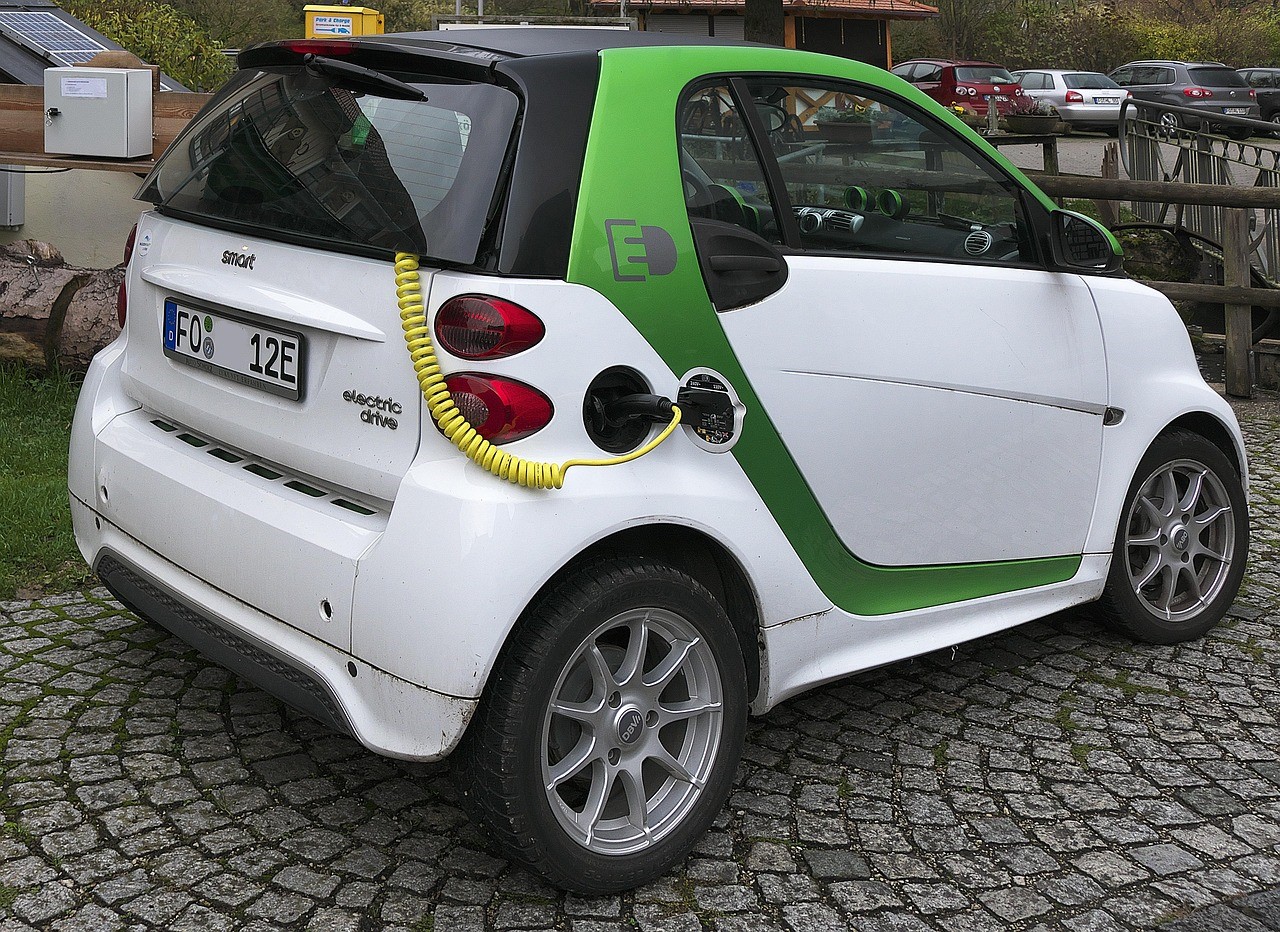
Are electric vehicles the answer, or are we losing years by waiting while engines keep burning today?
Burn Fuel Better: From Helpless to Hopeful in the Race Against Climate Change by Don Owens does not dismiss EVs. It treats them as essential for the long term. The problem is the calendar. Fleets turn over slowly, and the hardest segments to electrify first are heavy-duty, off-road, marine, and remote power. If the plan is “replace everything and wait,” soot and fine particulate matter continue to be exposed to in the places people live and work.
The book’s near-term lever is different. It targets black carbon and other fine particulates that form when fuel burns incompletely. These particles heat the planet quickly while airborne and harm lungs locally. Because black carbon is short-lived in the air, cutting it produces visible gains on a fast clock.
Why Waiting Alone Fails Communities
Rules, maintenance, and routing changes help a little. They do not change what happens inside the cylinder. In conventional engines, oxygen-starved pockets allow soot precursors to form even when the equipment is well maintained. That is why neighborhoods near traffic corridors, ports, warehouses, construction sites, and backup generators still breathe haze. If the flame does not change, the outcome does not change.
The Practical Fix
The core move in Burn Fuel Better is practical and specific. Introduce a small, metered amount of hydrogen into the engine intake to improve combustion. This is not converting the engine to run on hydrogen as a primary fuel. It is a combustion assist that helps the same fuel burn more completely.
Here is the approach as the book lays it out:
- On-engine hydrogen generation from water. Hydrogen is produced at the point of use, so there are no cylinders to manage.
- Small, controlled dosing into the intake air. The metered stream mixes with the normal air charge before combustion.
- Combustion improvement inside the cylinder. Hydrogen increases flame speed and widens the lean window. Rich pockets shrink, soot precursors drop, and black carbon and PM fall at the source.
- Retrofit-friendly and fail-safe. If the unit is off, the engine runs normally. When it is on, the burn is cleaner. The concept is suitable for trucks, off-road equipment, harbor craft, and stationary generators with minimal downtime.
In plain terms, the book changes how fuel burns, not only what fuel we buy years from now.
EVs and Hydrogen Assist Are Not Either-Or
Electrification remains the destination. Hydrogen-assisted combustion is how you make the trip healthier and cooler. The sequence looks like this:
- Stabilize air quality now. Retrofit the engines that create the most exposure and measure the drop in black carbon and PM around schools, neighborhoods, ports, and job sites.
- Keep buying EVs. Electrify the routes and use cases that pencil out first.
- Retire the worst emitters early. Redeploy the cleanest assets where people are closest to the exhaust.
This plan turns distant goals into near-term results you can show on a map and in a monitor readout.
Where to Deploy First
Start where hours are high, and people are close. School buses and refuse trucks work in neighborhoods every day. Yard tractors and yard trucks at ports and warehouses. Excavators and loaders near homes. Harbor craft and tugs along dense waterfronts. Standby generators at hospitals, campuses, and remote sites. Take a baseline reading for opacity or particulate counts, install hydrogen assist on the top exposure units, then remeasure and publish the before-and-after results.
Cost, Uptime, and Proof
Operators care about downtime and payback. The book’s approach respects both. On-engine generation avoids compressed gas logistics. Metered dosing keeps the system simple. A fail-safe design means normal operation if the unit is off. Cleaner combustion tends to pair with less fouling and more stable fuel use. Run a short pilot with five engines, on the same duty cycles, and share the data.
EVs are necessary, and they are coming, but they are not arriving fast enough to protect lungs and cool hot spots on their own. If the injury begins in the flame, the remedy starts there. Add a small hydrogen assist, change how fuel burns, and cut black carbon where it forms. Do that now while you keep building the electric future.
What Government and Policy Makers Must Do Now
Acknowledge the proof, aim for scale. The author’s retrofit validated the idea in the real world. It was never meant to fit every engine. To make the biggest impact, manufacturers need a reason to build hydrogen-assist into new engines at the design stage, not as an aftermarket patch.
- Make outcomes the standard
Set clear, technology-neutral performance targets for black carbon and PM reduction at the engine and platform level. Certify any in-cylinder hydrogen-assist design that meets those targets on standardized duty cycles. Pay for results, not parts lists.
- Create OEM integration incentives
Offer production tax credits or credit multipliers for engines that ship with metered hydrogen dosing in the intake and pass the BC/PM standard. Allow bonus depreciation for fleets that purchase these engines in early years.
- Use public procurement as a market signal
Require BC/PM targets in municipal and state fleet bids for refuse trucks, school buses, yard tractors, and harbor craft. Give bid preference to platforms with factory hydrogen-assist and verified test data.
- Fast-track codes, safety, and warranty alignment
Publish a model safety code for on-engine hydrogen generation from water and metered intake dosing. Align emissions certification, fire codes, and OEM warranties so makers can launch integrated systems without regulatory ambiguity.
- Fund first-mover corridors and ports
Underwrite 12–24 month pilot corridors for school routes, refuse loops, warehouse drayage, and tugs. Require open reporting of baseline and post-integration opacity/PM/BC data, then roll the winners into long-term purchasing agreements.
- Build a verification commons
Stand up an open data repository for before/after BC and PM readings. Make it easy for cities, ports, and OEMs to publish comparable results. Transparency attracts investment and speeds iteration.
- Tie financing to measured reductions
Let green bonds and climate funds count verified BC/PM cuts from OEM-integrated hydrogen-assist toward impact targets. Cheaper capital closes the gap between prototype and production.
Bottom line for policy: do not prescribe a single gadget. Set the outcome, reward OEM integration, and publish the data. That is how invention scales from one retrofit to every platform that burns fuel.
Ready to stop waiting and start reducing soot today? Read Burn Fuel Better: From Helpless to Hopeful in the Race Against Climate Change. The book shows exactly how small, metered hydrogen in the intake can help existing engines burn fuel more efficiently, cut black carbon at the source, and deliver rapid health and climate gains while electrification scales.
Get Burn Fuel Better and launch your first measured reductions this month.