Alcohol Rehab in Carlsbad: A Complete Guide to Inpatient Treatment Options
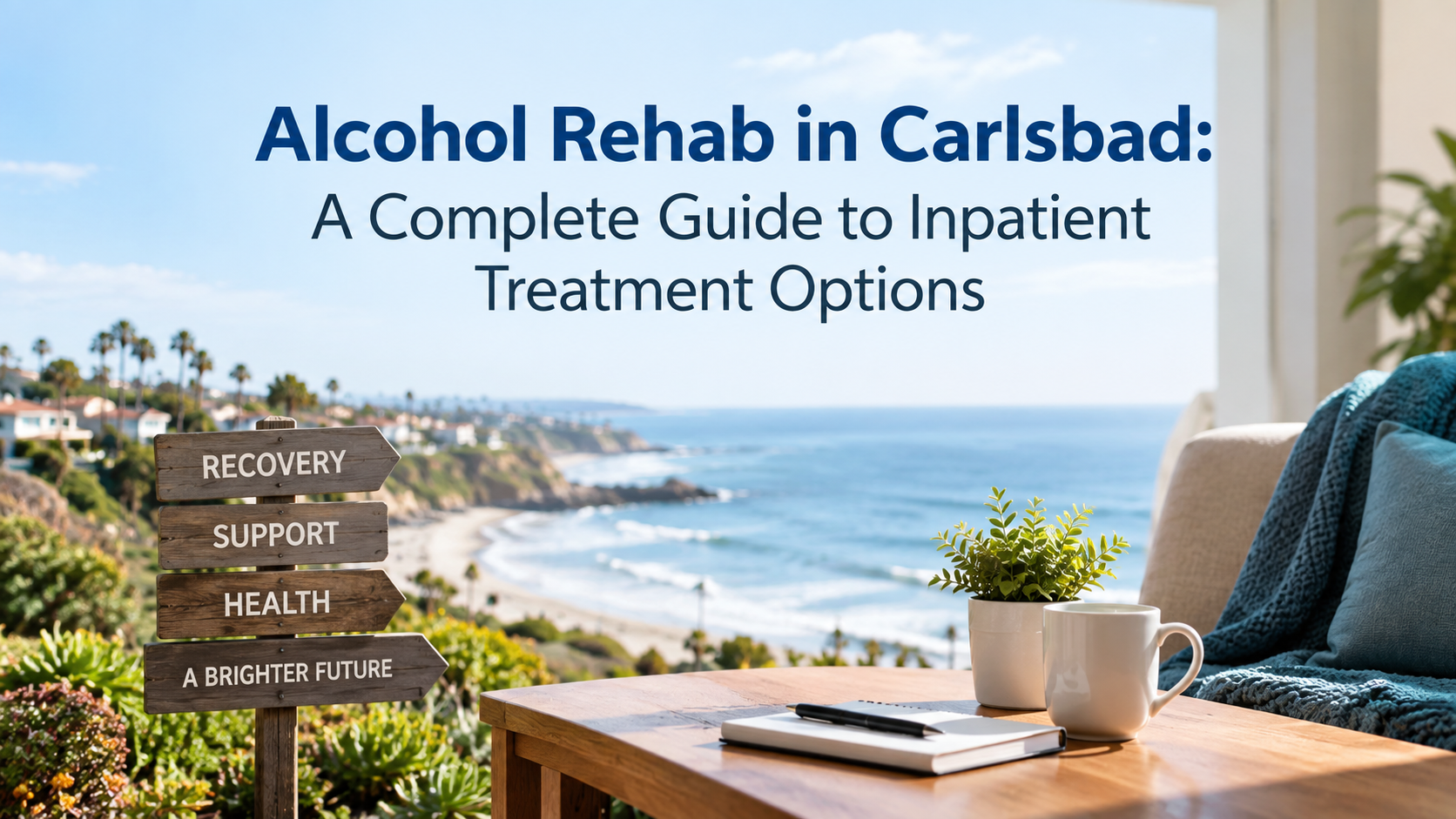
Carlsbad, California has become a notable destination for alcohol addiction treatment, thanks to its coastal setting, temperate climate, and access to licensed residential care facilities along San Diego County’s North County corridor. For individuals and families researching alcohol rehab Carlsbad, understanding what inpatient treatment involves and what to look for in a program can make the search less overwhelming.
Why Carlsbad Is a Common Choice for Alcohol Treatment
North County San Diego, including Carlsbad, Oceanside, Encinitas, and Vista, has a concentration of licensed detox and residential treatment providers. Several factors make the area appealing for recovery:
- A calm, low-stimulation environment. The coastal setting offers a change of scenery away from the people, places, and routines that may reinforce drinking habits.
- Access to medical infrastructure. The greater San Diego area has a strong base of addiction medicine physicians, nurse practitioners, and licensed clinical staff.
- Privacy. Many Carlsbad-area facilities operate as smaller, boutique-style residential homes rather than large institutional campuses, which appeals to people who want a more discreet, individualized experience.
- Statewide accessibility. Carlsbad is within reach of major population centers San Diego, Orange County, Los Angeles, and the Inland Empire while still being a place people can travel to intentionally, away from home.
What Inpatient Alcohol Rehab Typically Includes
Alcohol use disorder (AUD) is recognized as a treatable medical condition, but stopping alcohol use abruptly can be dangerous without supervision. Because alcohol withdrawal can involve symptoms ranging from anxiety and tremors to seizures and delirium tremens (DTs) in severe cases, medically supervised care is often the safest starting point.
A typical inpatient program includes:
1. Medical Detox The first phase focuses on safely managing withdrawal. This usually involves 24/7 nursing supervision, monitoring of vital signs, and medication management when appropriate to ease symptoms and reduce health risks.
2. Individual Therapy One-on-one counseling often using approaches like Cognitive Behavioral Therapy (CBT), Motivational Interviewing (MI), or trauma-informed care helps identify the underlying drivers of alcohol use, whether that’s stress, trauma, anxiety, or depression.
3. Group Therapy Peer-based group sessions build accountability and reduce the isolation that often accompanies addiction. Hearing from others facing similar struggles can be a powerful motivator for change.
4. Family Involvement Because addiction affects the whole household, many programs incorporate family therapy or education to rebuild trust and improve communication.
5. Dual Diagnosis Care Many people with alcohol use disorder also experience co-occurring mental health conditions such as anxiety, depression, PTSD, or bipolar disorder. Treating both simultaneously tends to improve long-term outcomes.
6. Aftercare Planning Before discharge, a strong program will help patients build a relapse prevention plan, connect with outpatient resources, and establish ongoing support systems.
Signs That Inpatient Care May Be the Right Level of Support
Not everyone with an unhealthy relationship with alcohol needs residential treatment, but inpatient care is often recommended for people who:
- Have moderate to severe alcohol use disorder
- Have relapsed after previous treatment attempts
- Experience withdrawal symptoms when they stop drinking
- Have a co-occurring mental health condition
- Don’t have a stable, substance-free home environment to recover in
- Need medical supervision during detox
Questions to Ask When Evaluating a Carlsbad Rehab Facility
If you’re comparing programs, consider asking:
- Is the facility licensed by the California Department of Health Care Services (DHCS)?
- Is medical detox available on-site, or is it handled through a separate partner facility?
- What is the staff-to-client ratio?
- Which insurance providers are accepted, and can benefits be verified before admission?
- What does the program offer for family involvement and aftercare?
- Is dual diagnosis treatment available for co-occurring mental health conditions?
Paying for Treatment
Many PPO insurance plans cover some or all of the cost of inpatient alcohol treatment, including detox, therapy, and aftercare planning. Reputable facilities typically offer free insurance verification so families can understand their coverage and out-of-pocket costs before committing to a program.
Getting Started
Reaching out for help is often the hardest step. If you or someone you love is searching for alcohol rehab in Carlsbad, it’s worth speaking directly with an admissions team to understand program length (commonly 30, 60, or 90 days), treatment approach, and what a typical day in residential care looks like. One California-licensed option offering medically supervised detox and residential alcohol treatment in Carlsbad is Cove Detox, which provides individualized care in a smaller, private residential setting.