Purchase Order Management for Faster, Smarter Procurement
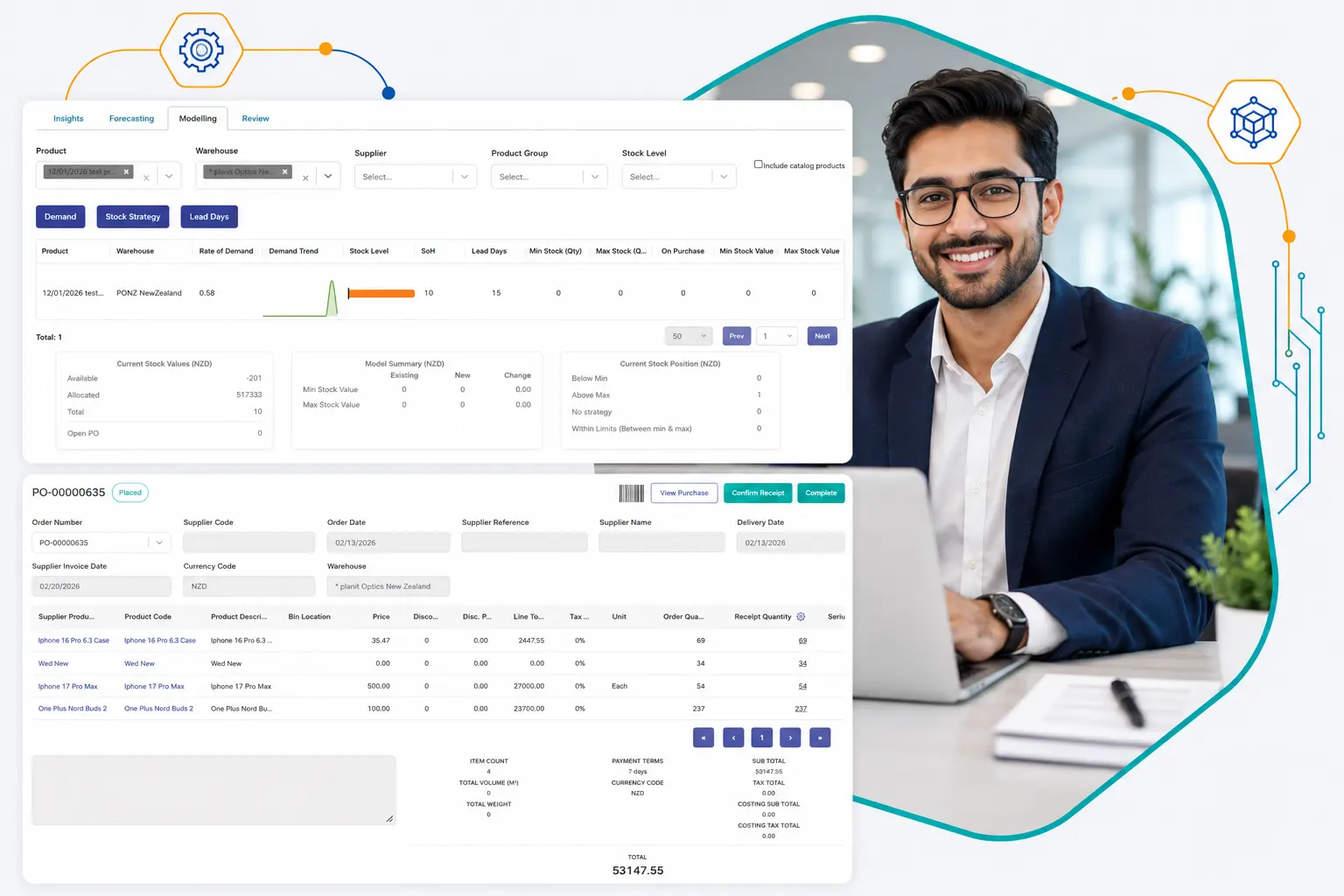
Procurement has become more than simply ordering products from suppliers. For modern businesses, it is a strategic function that influences cash flow, inventory availability, supplier relationships, operational continuity, and overall profitability. As purchasing volumes increase, relying on spreadsheets, emails, paper documents, and disconnected systems can make it difficult to understand what has been ordered, what has been approved, what is still pending, and what has actually been received.
A Purchase Order Management System provides a centralized way to create, approve, track, and manage purchase orders throughout the procurement lifecycle. By connecting purchasing activities with inventory, suppliers, receiving, and financial information, businesses can gain greater visibility and make procurement decisions with more confidence.
Why Procurement Visibility Matters
Procurement teams often manage hundreds or thousands of purchase orders across multiple suppliers, locations, departments, and product categories. Without centralized visibility, even a simple purchasing process can become difficult to monitor.
A purchase order may be created by one employee, approved by another, emailed to a supplier, received by a warehouse team, and later matched against an invoice. If these activities are recorded in separate systems, employees may spend considerable time searching for information and confirming order status.
This lack of visibility can result in:
- Delayed purchase order approvals
- Duplicate or unnecessary orders
- Incorrect quantities or pricing
- Missed supplier commitments
- Unexpected inventory shortages
- Difficulty tracking outstanding orders
- Limited control over purchasing expenditure
- Delays in invoice matching and payment
Better visibility brings these activities together so procurement teams can understand the complete purchasing picture.
The Growing Cost of Inefficient Purchase Order Processing
Purchase order administration may appear to be a routine activity, but inefficient processes can create substantial operational costs. APQC’s 2026 procurement benchmarking indicates that organizations can spend approximately $14 to more than $54 processing a single purchase order, highlighting the financial impact of differences in procurement efficiency.
APQC also reports a median of 80% for purchase orders approved electronically across its benchmark data, showing that electronic workflows are already an established part of modern procurement operations.
For organizations handling significant purchasing volumes, improving PO visibility is therefore not simply a technology upgrade. It can support better use of employee time, stronger purchasing controls, and more consistent procurement execution.
How a Purchase Order Management System Improves Visibility
1. Centralized Purchase Order Information
A centralized system provides one place to access purchase order information. Procurement employees can view order numbers, suppliers, products, quantities, prices, approval status, delivery information, and other relevant details without searching through multiple spreadsheets or email conversations.
This creates a consistent source of procurement information across departments and locations.
Instead of asking, “Has this order been approved?” or “Did the supplier confirm delivery?”, employees can check the current status directly within the system.
2. Real-Time Order Status Tracking
One of the most important advantages of digital PO management is the ability to track orders from creation through completion.
A typical workflow can show whether an order is:
- Drafted
- Submitted for approval
- Approved
- Sent to the supplier
- Confirmed
- Partially received
- Fully received
- Backordered
- Closed
This visibility allows procurement and inventory teams to identify delays earlier and take corrective action before they affect operations.
3. Faster and More Controlled Approvals
Manual approval processes can become slow when purchase requests move between departments through emails or physical documents. A centralized workflow can automatically route purchase orders to the appropriate approver based on predefined rules.
Approval workflows can consider factors such as:
- Purchase value
- Department
- Location
- Product category
- Supplier
- Authorization level
This helps businesses maintain purchasing controls without creating unnecessary administrative delays.
Connecting Purchase Orders With Inventory Management
Procurement visibility becomes even more valuable when purchase orders are connected with inventory information.
For example, a business may have 100 units of a product available and another 200 units already on purchase order. Without a connected system, employees may see only the current stock and place another unnecessary order.
With integrated procurement and inventory information, teams can consider available stock, committed stock, incoming quantities, reorder requirements, and historical demand before purchasing.
This can help organizations:
- Reduce unnecessary purchasing
- Avoid stockouts
- Improve replenishment planning
- Monitor incoming inventory
- Manage safety stock more effectively
- Coordinate purchasing with warehouse operations
For wholesalers, distributors, retailers, and manufacturers, this connection can be particularly valuable because purchasing decisions directly affect inventory availability and customer fulfillment.
Better Supplier Management Through Purchase Order Data
A purchase order contains more than information about what a company wants to buy. Over time, purchase order data can help organizations evaluate supplier performance.
Procurement teams can analyze whether suppliers consistently meet agreed delivery dates, provide the correct quantities, and maintain expected pricing.
Useful supplier performance indicators can include:
- On-time delivery rate
- Order fulfillment accuracy
- Price variance
- Quantity variance
- Lead time
- Return frequency
- Outstanding order volume
This information gives procurement managers a stronger foundation for supplier discussions and negotiations.
Improved Budget and Spending Control
Procurement visibility also helps businesses understand where their money is being committed.
When purchase orders are centralized, management can review planned expenditure before it becomes an actual financial obligation. This makes it easier to identify purchasing patterns, monitor departmental spending, and compare purchasing activity against budgets.
Procurement teams can also identify purchases from preferred suppliers and investigate purchases that fall outside established procurement policies.
This type of visibility supports better financial discipline while allowing organizations to make purchasing decisions based on actual data rather than assumptions.
Reducing Errors and Duplicate Orders
Manual procurement processes create opportunities for human error. A product code can be entered incorrectly, a quantity can be duplicated, or an order can be created without realizing that another employee has already purchased the same item.
A Purchase Order Management System can reduce these risks by maintaining structured purchasing records and providing visibility into existing and outstanding orders.
Automated validation can also help identify inconsistencies before an order is finalized. This is especially useful for businesses with large product catalogs or multiple purchasing teams.
Supporting Three-Way Matching
Procurement visibility should not stop when goods arrive. The information from purchase orders can also support invoice and receiving processes.
Three-way matching compares:
- The purchase order
- The goods receipt
- The supplier invoice
If the ordered quantity, received quantity, and invoiced quantity do not match, the discrepancy can be identified for review.
This can help reduce overpayments, resolve supplier disputes, and improve financial accuracy.
Data-Driven Procurement Decisions
A modern procurement system creates a valuable history of purchasing activity. Businesses can use this information to identify purchasing trends and make more informed decisions.
For example, procurement managers can analyze:
- Which products are purchased most frequently
- Which suppliers receive the highest order volumes
- How purchasing prices change over time
- Which orders experience repeated delays
- How much inventory is currently on order
- Which departments generate the most purchasing activity
This transforms purchase orders from administrative documents into useful business data.
Why Global Businesses Need Greater Procurement Control
Businesses operating across different regions often face additional procurement challenges. Multiple currencies, suppliers, warehouses, departments, time zones, and regulatory requirements can make purchasing more complex.
A centralized purchase order platform can provide consistent processes while allowing organizations to manage purchasing activity across locations.
Global procurement teams can benefit from:
- Centralized supplier information
- Standardized approval workflows
- Location-based purchasing visibility
- Consolidated reporting
- Better communication between teams
- More consistent procurement policies
The result is a procurement environment where decision-makers have clearer information regardless of where purchasing activity takes place.
Building a More Efficient Procurement Strategy
Technology alone does not create an effective procurement process. Businesses should also establish clear purchasing policies and define who can request, approve, receive, and close purchase orders.
A practical approach includes:
- Standardizing purchase order formats
- Defining approval responsibilities
- Maintaining accurate supplier records
- Connecting purchasing with inventory data
- Monitoring supplier performance
- Reviewing procurement reports regularly
- Automating repetitive administrative tasks
When these practices are combined with the right technology, procurement becomes easier to monitor and manage.
Conclusion
Procurement visibility is essential for businesses that want greater control over purchasing, inventory, suppliers, and spending. A Purchase Order Management System brings important procurement activities into a centralized workflow, helping teams track orders, manage approvals, monitor supplier performance, reduce errors, and connect purchasing decisions with inventory requirements.
As procurement becomes increasingly data-driven, businesses need more than basic purchase order creation. They need a system that provides reliable information throughout the purchasing lifecycle and helps different teams work from the same data.
For businesses looking to modernize procurement and improve visibility across purchasing and inventory operations, PlanIT can provide a practical technology solution designed to support more organized and efficient business processes.
Connect With PlanIT
PlanIT can help businesses improve purchasing visibility, streamline purchase order workflows, and strengthen inventory control through modern inventory management solutions.
- Company: PlanIT
- Phone: +91-9958474631
- Email: sales@plan-it.pro
For More Topics: https://overlypost.com/