Unknown Facts About the Taj Mahal That Will Surprise You
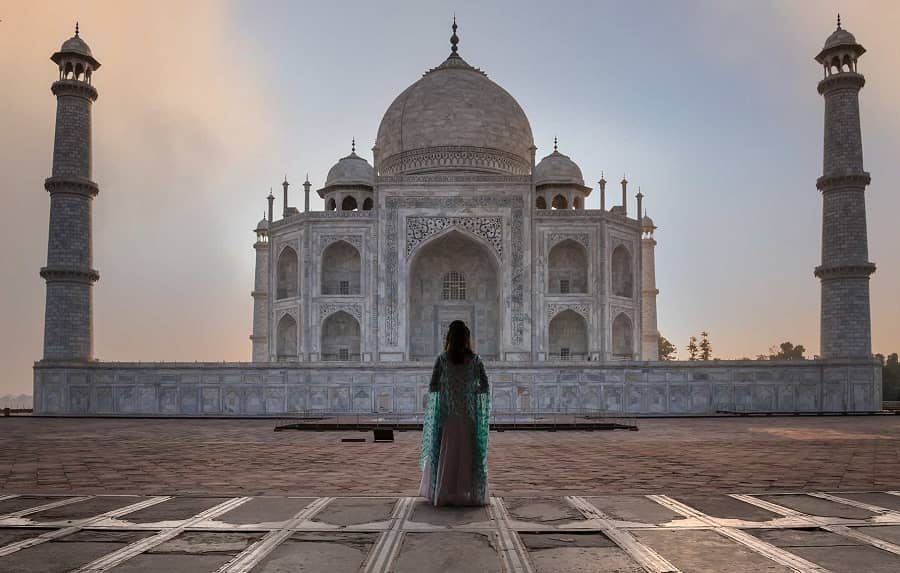
The Taj Mahal stands on the banks of the Yamuna River and shines like a dream in white marble. People from around the world visit it and admire its beauty. Many tourists know its basic story, but they do not know the hidden facts that make this monument even more special. When you walk through its gates, you see more than a building. You feel a story, a memory, and a mystery.
This blog takes you into those secrets. You will learn about strange stories, hidden rooms, locked doors, rare stones, surprising science, and forgotten plans. These unknown facts change the way you see the Taj Mahal. You will not just look at it as a symbol of love. You will see it as a masterpiece of skill, art, vision, and human emotion.
So, let us start the journey and uncover the facts that stay hidden from most visitors.
The Real Story Behind Its Construction
Many people say Shah Jahan built the Taj Mahal only for love. He loved his wife Mumtaz Mahal and wanted to keep her memory alive. But the story has more layers. Shah Jahan built it with a big dream. He wanted the world to see the Mughal Empire’s strength, wealth, and art.
He selected the best architects, designers, stone cutters, calligraphers, and workers from many regions. He brought marble from Makrana, stones from faraway lands, and gems from different kingdoms. He gathered more than twenty thousand workers and gave them a chance to use their best skills.
The construction took over twenty years. Shah Jahan watched every detail. He checked the designs. He checked the arches. He checked the gardens. He checked the shapes on the marble. He wanted perfection, and he worked for it every day.
Many people also believe he planned a second Taj Mahal on the opposite side of the river. It did not happen, but the thought shows how big his dreams were.
The Taj Mahal stands today because of thousands of hands, thousands of ideas, and one man’s strong vision.
Also Read: Best Places to Eat Breakfast After Seeing the Taj Mahal Sunrise
The Changing Colors of the Taj Mahal
The Taj Mahal changes its color many times in one day. You see a soft pink shade in the early morning. You see bright white shades during the day. You see a golden glow during sunset. You see a calm blue shade under the moonlight.
Many people think this happens because of the marble. But the reason is deeper. The marble of the Taj reflects the light in a unique way. The stone absorbs some colors and throws back some colors. So, the look of the Taj keeps changing as the light changes.
The changing colors also show different moods. A soft morning shine gives you peace. A bright afternoon glow gives you energy. A golden sunset tone gives you warmth. A glowing moonlit shade gives you romance and calmness.
These colors create magic and make the Taj Mahal feel alive. It does not stay still. It breathes with nature. Many visitors feel this magic but do not know how it happens.
Secrets of the Taj Mahal’s Architecture
The Taj Mahal looks simple when you stand far away, but it hides smart science inside its design.
Shah Jahan used perfect measurements. The dome looks round and smooth from every angle. The minarets look straight from far away, but they tilt slightly outward. This helps them stay safe during earthquakes.
The carvings on the marble look the same size, even though you stand close or far. The workers used smart tricks to keep the letters and designs in the right size for every viewer.
The gardens follow the Charbagh style. The water channels show the reflection of the Taj. The symmetry stays perfect from every angle. You see a mirror effect in every corner.
Even the echoes inside the dome surprise many people. If you speak loudly, your voice travels across the hall in a smooth wave. The workers understood sound science without modern tools.
Every piece of stone in the Taj Mahal fits perfectly. Every corner tells you about the skill of the workers. Every part shows you how advanced the Mughal builders were.
The Taj Mahal That Was Never Built
Many people talk about a second Taj Mahal. Shah Jahan wanted to build a black marble Taj Mahal for himself. He chose the spot opposite the white Taj Mahal on the other side of the Yamuna River.
He believed the white Taj Mahal shows love. The black Taj Mahal would show grief. When visitors looked from above, they would see two Taj Mahals standing together, telling two parts of one story.
Some historians say Shah Jahan collected black marble for the plan. Some believe the idea started but never moved forward. Shah Jahan lost his freedom when Aurangzeb locked him inside the Agra Fort. So, his dream never reached the riverbank.
Today you can still see ruins on the other side of the river. Many experts say those ruins show signs of the plan. The second Taj Mahal may not stand today, but the idea itself creates excitement.
It tells us how big, bold, and creative the Mughal vision was.
Hidden Rooms and Locked Chambers
The Taj Mahal has many hidden rooms and locked chambers. Visitors cannot enter these spaces. These areas stay closed from the time the Taj Mahal completed.
Some rooms store building materials. Some contain old structures that need protection. Some areas stay closed because they cannot handle large crowds. Many areas stay locked because experts want to protect the old artwork.
There are also underground chambers below the main platform. These chambers create strong support for the heavy dome and marble walls.
Many legends also surround these rooms. Some say the hidden chambers store treasure. Some say those rooms hold secret messages. Some say the chambers hide the remains of an incomplete palace. These stories add mystery to the Taj Mahal.
Experts still study these rooms, but they open them only for research.
Precious Stones and Their Disappearance
The Taj Mahal once sparkled more than it sparkles today. The walls held beautiful stones like jade, coral, turquoise, lapis lazuli, sapphire, and crystal. These stones came from Afghanistan, Persia, Tibet, China, Sri Lanka, and even Europe.
When you look at the marble designs, you see flowers, vines, and leaves. Workers placed the stones inside the marble so that the designs stayed smooth. This art style is called Pietra Dura.
But many stones disappeared over time. Wars, invasions, and theft took many of them away. Traders took some stones too. Some stones fell out as time changed the marble.
Still, the Taj Mahal shines with the stones that remain. The designs keep their beauty even after hundreds of years.
A Tribute to Love or More Than That?
People call the Taj Mahal a symbol of love. Shah Jahan loved Mumtaz deeply. He lost her during childbirth and felt broken. He wanted her memory to stay alive.
But the Taj Mahal shows more than love. It shows power, art, knowledge, wealth, and faith.
Shah Jahan wanted a monument that showed strength. He wanted people to see the Mughal Empire as a rich and talented kingdom. So, he created a structure that no other king could match.
The Taj Mahal also shows the Mughal style of beauty. It mixes Indian, Persian, Turkish, and Islamic designs. This mix created a new look and new style.
Faith also stays inside the Taj. You see Quran verses on the walls. You see spiritual symbols in the garden layout. You feel peace as you walk inside.
So, the Taj Mahal stands as a symbol of many things. Love gives it soul. Art gives it beauty. Faith gives it calmness. Vision gives it meaning.
The Taj Mahal and Earthquake-Proof Engineering
Many people worry about earthquakes, but the Taj Mahal stands strong even after many years. This shocks many experts.
The builders used smart tricks to keep the structure safe. They built the base with strong timber. The wood touches the water under the ground. This creates flexibility. The structure moves slightly during vibrations, so it stays safe.
The minarets also lean outward on purpose. If an earthquake shakes the ground, the towers fall outward, not inward. So, they do not damage the main dome.
The mixture used between stones helps the structure absorb shocks. The weight of the dome spreads evenly across the base.
All of these ideas show you how smart the engineers were. They knew the land. They knew the river. They knew the dangers. They created a monument that stays strong through time.
UNESCO Status and Global Myths
The Taj Mahal became a UNESCO World Heritage Site for its beauty, art, and history. But many myths travel around the world.
Some people say the Taj Mahal floats in the air. Some say the structure hides a palace under it. Some say the Taj Mahal changes shape. Some say the builders used milk to clean the marble.
Many myths entertain visitors and keep the wonder alive. But the true story focuses on skill, stone, design, and human effort.
The UNESCO status keeps the Taj Mahal safe. It protects the artwork, gardens, stones, and architecture. It also helps experts study the monument and understand its science.
The Taj Mahal does not rely on magic. It relies on the hard work of people who knew nature, mathematics, symmetry, and art.
Environmental Threats You Probably Don’t Know
The Taj Mahal faces many environmental dangers. The marble turns yellow because of pollution. The smoke from vehicles and factories harms the surface. Dust and chemicals in the air stick to the walls.
The Yamuna River also shrinks and creates problems. When the water level drops, the wood under the structure dries. This can cause cracks.
Insects from the river create green spots on the walls. Climate change increases heat, and this brings more stress to the marble.
The government works to protect the Taj Mahal. Experts clean the marble with clay packs. They control pollution. They plant trees. They study the ground and check the foundation.
Visitors also need to care for the Taj. They should not touch the walls. They should not throw waste. They should support the protection of this world treasure.
Visitor Tips to Explore These Hidden Facts
If you want to experience the hidden facts of the Taj Mahal, follow these simple tips:
1. Visit during sunrise or sunset.
You will see the changing colors and feel the magic in the air.
2. Hire a knowledgeable guide.
A good guide explains the stories, secrets, and science behind the monument.
3. Explore the gardens slowly.
The garden design shows deep meaning. You see symmetry, reflection, and harmony.
4. Look closely at the marble.
You will find tiny flowers, leaves, and stones placed with great skill.
5. Stand at the main gate and look through the arch.
The Taj Mahal looks framed like a painting.
6. Visit from the backside too.
You will see the river, the platform, and the ruins of the second Taj.
7. Read history books before you visit.
You understand the monument better when you know the story.
8. Keep your camera ready.
Every corner gives you a unique picture.
9. Stay patient.
The Taj Mahal attracts many visitors. You need time to enjoy every detail.
10. Respect the rules.
Security checks keep the monument safe. Follow instructions.
Conclusion
The Taj Mahal stands as more than a monument. It stands as a story, a poem, and a dream in marble. People visit it for love, but they leave with amazement. Every corner hides a mystery. Every room holds a story. Every stone shows art. You learned many unknown facts today. You learned about hidden rooms, rare stones, smart science, earthquake-proof tricks, color-changing secrets, and forgotten plans. These facts help you see the Taj Mahal with new eyes. Many travelers choose Taj Mahal Tour Packages to experience all these wonders with ease and comfort.
When you visit the Taj Mahal next time, take a slow walk. Feel the air. Watch the colors. Look at the designs. Think about the workers who shaped every stone. Think about the dreams stored inside its walls. The Taj Mahal surprises you every time, even after hundreds of years. It lives in stories, shines in memories, and stands strong as the pride of India.