Skincare Routine with Salicylic & Glycolic Acid Serum for Clear Skin
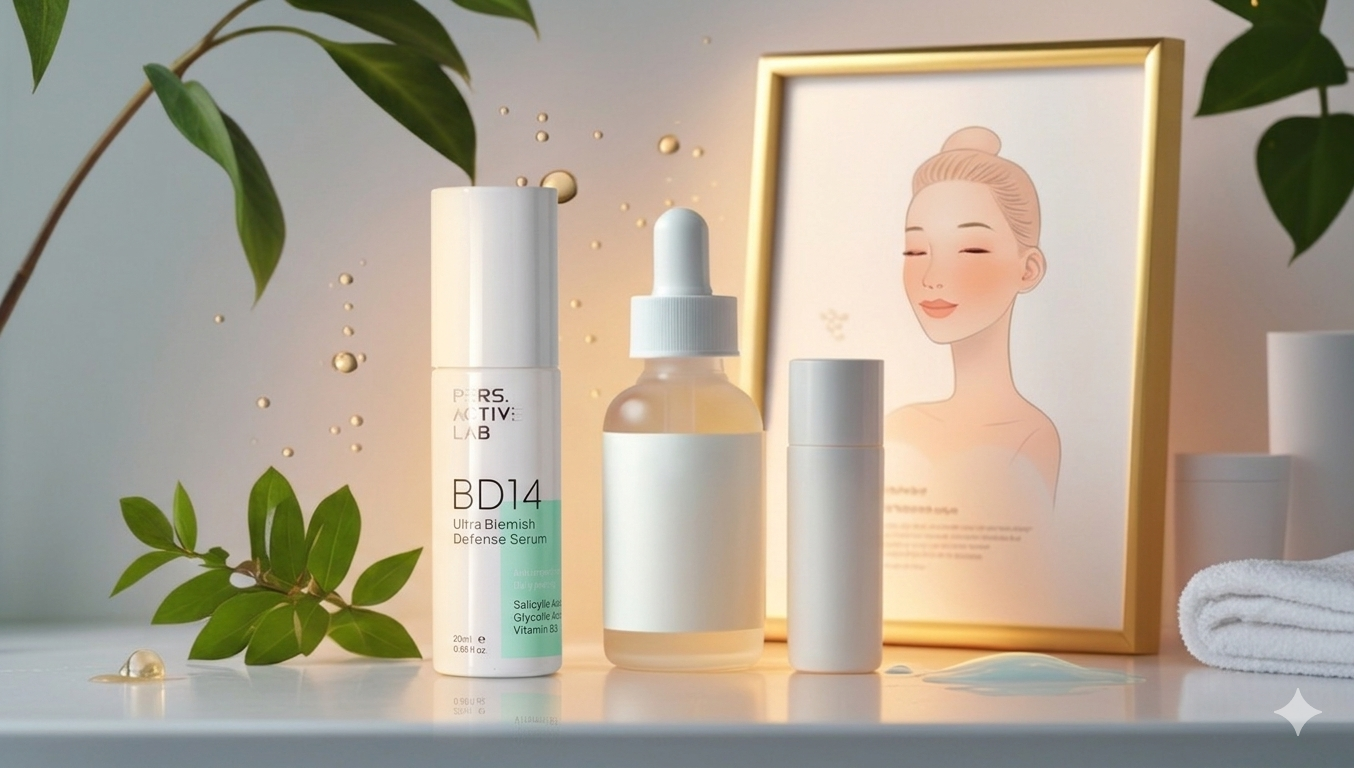
Clear, healthy skin requires consistent care and the right products. Salicylic acid and glycolic acid serums have become essential tools for many seeking to reduce blemishes, refine texture, and maintain a youthful appearance. This routine focuses on combining these ingredients effectively while protecting and nourishing the skin.
Why Use Salicylic and Glycolic Acid Serums?
Salicylic acid is a beta-hydroxy acid that penetrates pores to remove excess oil, unclog follicles, and reduce inflammation. It helps treat acne and prevents future breakouts. Glycolic acid, an alpha-hydroxy acid, works by exfoliating dead skin cells, improving texture, and promoting cell turnover. When used together thoughtfully, these serums can address both surface-level and deeper skin concerns.
Morning Skincare Routine
1. Gentle Cleansing
Begin with a mild, sulfate-free cleanser that removes dirt and excess oil without stripping the skin. Avoid harsh scrubs, which can irritate and compromise the skin barrier. Cleansing ensures the serums applied afterward penetrate effectively.
2. Toner
Apply a toner that balances pH and preps the skin. Look for alcohol-free formulas that contain soothing ingredients such as chamomile or aloe vera. Toners help reduce redness and calm the skin, creating an optimal environment for active ingredients.
3. Glycolic Acid Facial Serum
At this stage, apply a glycolic acid facial serum. This serum gently exfoliates, smooths texture, and promotes radiance. Use a small amount on dry skin, focusing on areas with dullness or uneven tone. Glycolic acid increases cell turnover, revealing fresher skin and improving the effectiveness of subsequent products.
4. Moisturizer
Follow with a lightweight, non-comedogenic moisturizer. Even oily or acne-prone skin benefits from hydration, which supports barrier function and prevents overproduction of sebum.
5. Sunscreen
Never skip broad-spectrum sunscreen with at least SPF 30. Glycolic acid increases sun sensitivity, making daily sun protection essential to prevent pigmentation and premature aging.
Evening Skincare Routine
Cleanse thoroughly, apply salicylic acid serum, follow with an anti-aging face serum, and lock in hydration with a nourishing moisturizer.
1. Double Cleansing
In the evening, remove makeup and impurities using an oil-based cleanser followed by a gentle water-based cleanser. Double cleansing ensures that the pores are clear and the active ingredients in serums can work effectively.
2. Salicylic Acid Serum
After cleansing, apply a salicylic acid serum. This ingredient penetrates pores, reduces inflammation, and prevents new breakouts. Salicylic acid is particularly effective for individuals with oily or acne-prone skin. Apply sparingly to avoid irritation, focusing on problem areas.
3. Anti Aging Face Serum
After the salicylic acid has absorbed, follow with an anti aging face serum that supports collagen production, reduces fine lines, and hydrates. This combination ensures your skin benefits from both exfoliation and rejuvenation without over-stripping or sensitivity.
4. Moisturizer
Finish with a nourishing moisturizer to lock in hydration and support the skin barrier. Ingredients like hyaluronic acid, ceramides, and peptides complement the active serums and aid in skin recovery overnight.
Weekly Additions
1. Exfoliation
While glycolic and salicylic acids provide chemical exfoliation, a mild physical exfoliation once a week can help remove dead skin on the surface. Avoid harsh scrubs; opt for gentle options with microbeads or natural enzymes.
2. Face Masks
Clay or charcoal masks can help remove impurities, while hydrating masks replenish moisture. Use masks based on your skin’s needs to maintain balance.
Tips for Effective Serum Use
- Patch Test: Before introducing any serum, perform a patch test to prevent irritation.
- Layer Correctly: Apply serums from thinnest to thickest texture for optimal absorption.
- Consistency: Use serums regularly. Results appear gradually with consistent application.
- Avoid Overuse: Excessive use of acids can cause redness, peeling, and sensitivity. Stick to recommended dosages.
- Monitor Skin Reaction: Adjust frequency based on how your skin responds.
Common Mistakes to Avoid
- Skipping sunscreen after using glycolic acid
- Applying multiple acids at the same time without guidance
- Using harsh physical scrubs along with chemical exfoliants
- Neglecting hydration after active serums
Benefits of This Routine
- Reduces acne and blemishes
- Improves skin texture and tone
- Minimizes appearance of pores
- Enhances overall skin radiance
- Supports youthful-looking skin
Ingredients to Look For in Serums
- Glycolic Acid: Encourages exfoliation and smooths fine lines.
- Salicylic Acid: Penetrates pores to prevent and treat breakouts.
- Hyaluronic Acid: Hydrates deeply without clogging pores.
- Niacinamide: Reduces inflammation and strengthens the skin barrier.
- Peptides: Support collagen production for firmer skin.
Combining Serums Safely
When combining a glycolic acid facial serum and a salicylic acid serum, consider spacing their use if sensitivity occurs. For example, use glycolic acid in the morning and salicylic acid at night. This approach minimizes irritation while maximizing results.
FAQ
Q1: Can I use salicylic and glycolic acid serums together?
Yes, but it is best to use them at different times of the day to prevent irritation. Glycolic acid is ideal for morning use, followed by sunscreen, while salicylic acid works well at night for deep pore cleansing.
Q2: How often should I apply glycolic acid?
Start 2–3 times per week, gradually increasing as your skin builds tolerance. Daily use may be appropriate for some skin types, but monitor for redness or peeling.
Q3: Are these serums suitable for sensitive skin?
Individuals with sensitive skin should start slowly and apply a thin layer. Patch testing is crucial to avoid adverse reactions.
Q4: Can I use moisturizer after these serums?
Yes. Moisturizer locks in hydration and supports the skin barrier, especially after chemical exfoliation.
Q5: Do I need sunscreen when using glycolic acid?
Absolutely. Glycolic acid increases photosensitivity, making SPF essential to protect against sun damage and pigmentation.
Conclusion
A structured skincare routine with salicylic and glycolic acid serums can significantly improve skin clarity, reduce blemishes, and enhance overall radiance. By following this routine, using products consistently, and protecting the skin, it is possible to maintain healthy, smooth, and vibrant skin over time. Proper hydration, targeted serums, and sun protection form the foundation of this approach, making clear skin achievable for a variety of skin types.