What Is a Metal Slitting Saw & Best Type for Precision Cutting?
In metalworking and machining, precision is everything. Whether you are cutting thin sheets or making narrow slots, having the right tool can make your job easier and more accurate. One such essential tool is the slitting saw. It is widely used in industries where clean, precise cuts are required without damaging the material.
In this blog, we’ll explain what a metal slitting saw is, how it works, and which type is best for precision cutting.
What Is a Metal Slitting Saw?
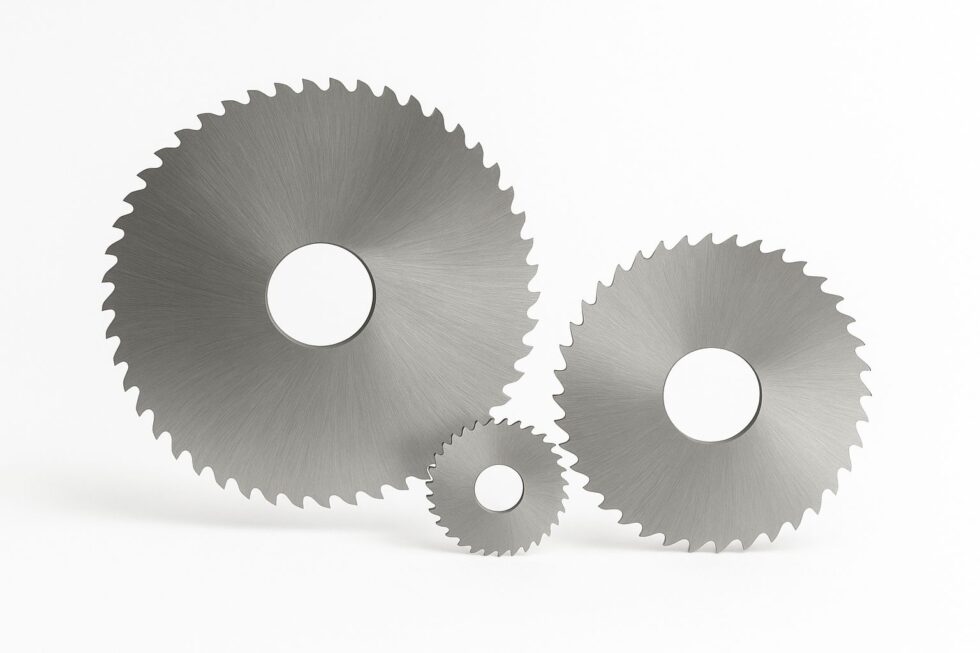
A slitting saw is a circular cutting tool made from high-speed steel or carbide. It looks like a thin disc with sharp teeth along its edge. This tool is mainly used in milling machines to cut narrow grooves, slots, or to divide metal pieces into sections.
Unlike thicker cutting tools, a slitting saw is designed for thin and accurate cuts, which makes it perfect for precision work. It can cut materials like steel, aluminum, brass, and other metals with ease.
How Does a Slitting Saw Work?
A slitting saw is mounted on a milling machine or arbor and rotates at high speed. As the blade spins, its teeth gradually cut into the material, removing small chips and creating a clean slit.
The key advantage of using a slitting saw is its ability to produce straight, smooth, and burr-free cuts. This reduces the need for additional finishing work, saving both time and effort.
Types of Metal Slitting Saws
There are different types of slitting saws available, and choosing the right one depends on your cutting needs.
1. High-Speed Steel (HSS) Slitting Saws
These are the most commonly used saws. They are affordable and suitable for general-purpose cutting. HSS slitting saw tools work well on softer metals and light-duty applications.
2. Carbide Slitting Saws
Carbide saws are stronger and more durable than HSS. They are ideal for cutting hard materials like stainless steel. These slitting saw tools maintain sharpness longer and provide excellent precision.
3. Fine-Tooth Slitting Saws
These saws have more teeth per inch, making them perfect for thin materials and precision cuts. They produce smoother finishes with minimal burr.
4. Coarse-Tooth Slitting Saws
With fewer teeth, these saws are designed for faster cutting and thicker materials. However, they may not offer the same level of finish as fine-tooth options.
Best Type for Precision Cutting
If your goal is high precision, the best choice is a carbide fine-tooth slitting saw. Here’s why:
- Provides clean and accurate cuts
- Reduces vibration during cutting
- Maintains sharpness for longer periods
- Works well with hard metals
For industries where accuracy is critical, investing in a high-quality slitting saw ensures better performance and less material waste.
Key Factors to Consider When Choosing a Slitting Saw
Choosing the right slitting saw depends on several factors:
Material Type
Always match the saw with the metal you are cutting. Harder materials require stronger blades like carbide.
Thickness of Cut
Thin blades are ideal for precision work, while thicker blades are better for heavy-duty cutting.
Tooth Design
Fine teeth provide smoother finishes, while coarse teeth allow faster cutting.
Cutting Speed
Using the correct speed improves tool life and cutting quality.
Machine Compatibility
Make sure the slitting saw fits your milling machine or equipment properly.
Advantages of Using a Slitting Saw
- High precision cutting
- Minimal material waste
- Smooth and clean edges
- Suitable for various metals
- Cost-effective for industrial use
These benefits make the slitting saw an essential tool in workshops and manufacturing units.
Maintenance Tips for Better Performance
To get the best results from your slitting saw, proper maintenance is important:
- Keep the blade clean and free from debris
- Use proper lubrication during cutting
- Avoid excessive cutting pressure
- Store in a dry place to prevent rust
- Sharpen regularly for consistent performance
Good maintenance not only improves performance but also extends the life of your tool.
FAQs
1. What is a slitting saw used for?
A slitting saw is used to cut narrow slots, grooves, or divide metal into smaller sections with high precision.
2. Which material is best for slitting saw blades?
Carbide is best for hard metals and precision work, while high-speed steel is suitable for general use.
3. What is the difference between a slitting saw and a milling cutter?
A slitting saw is thinner and designed for narrow cuts, while milling cutters are thicker and used for broader cutting tasks.
4. How do I choose the right slitting saw?
Consider material type, blade thickness, tooth design, and cutting speed to select the right tool.
5. Can slitting saws cut all types of metal?
Yes, but you need to choose the correct blade material and type depending on the metal.
Final Thoughts
A slitting saw is a powerful and precise cutting tool that plays a key role in metalworking. Choosing the right type ensures better accuracy, smoother finishes, and improved efficiency. Whether you are working on small projects or industrial tasks, investing in the right slitting saw can make a significant difference in your results.