Early Warning Signs That Make Foundation Inspections Worth It
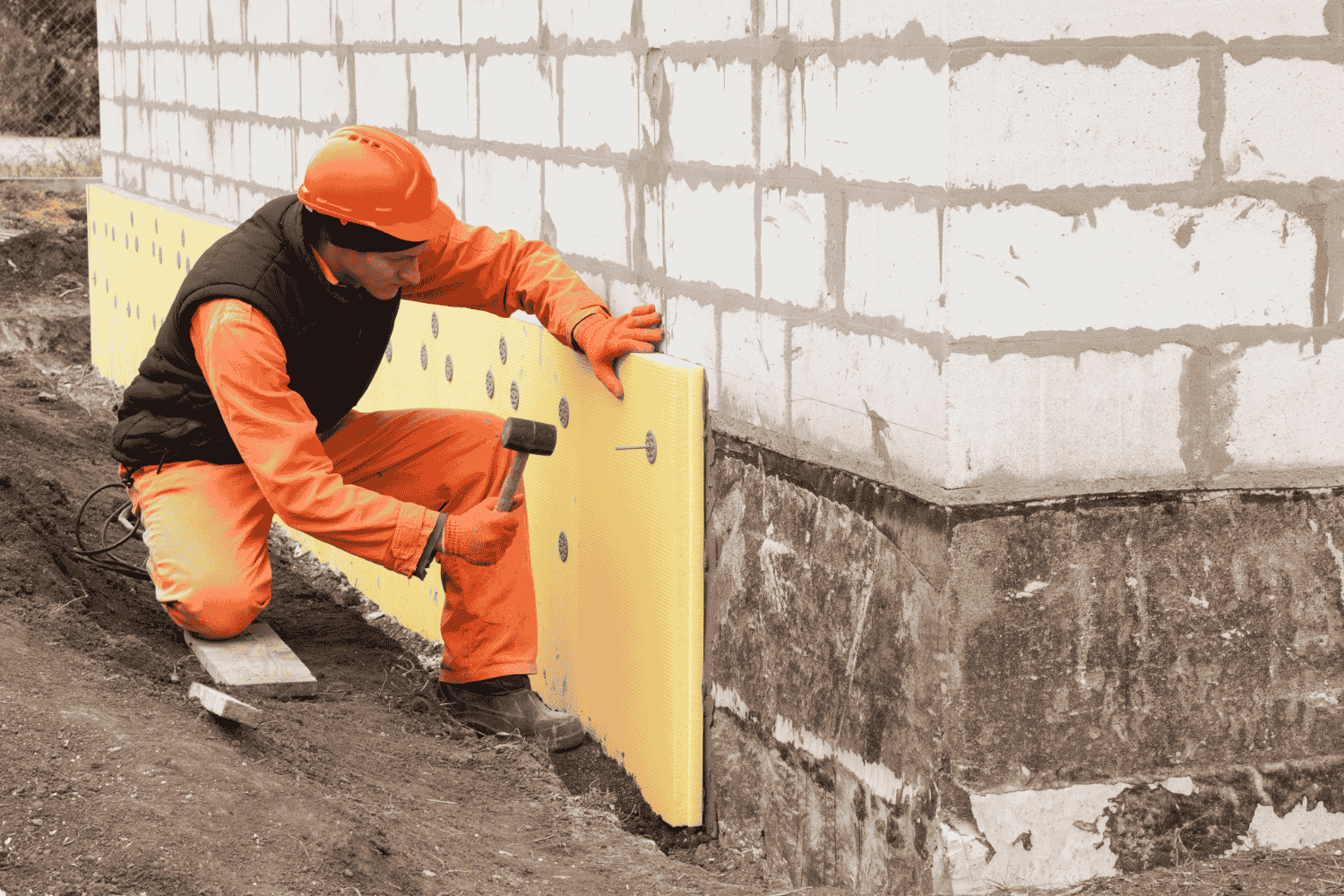
Foundation problems rarely begin with an obvious crisis. They start small, with a thin crack in a wall or a door that suddenly resists closing, and they tend to worsen gradually until the damage becomes expensive to address. Recognizing the early signals is what makes timely foundation inspections so valuable, particularly for homes built on a slab foundation in regions with shifting soils.
The difficulty for most homeowners is that early symptoms are easy to mistake for ordinary aging. Houses settle, materials expand and contract, and minor cosmetic flaws appear over time. In areas with expansive clay soil, however, that seemingly normal movement can conceal a foundation that is genuinely under stress. Learning to read the warning signs is the first step toward catching problems while they remain minor and manageable.
Interior Warning Signs
The inside of a home often reveals trouble first. Cracks in drywall, especially those radiating from the corners of doors and windows, are a common indicator because stress concentrates at these points. Doors and windows that stick, drag, or fail to latch suggest that frames have fallen out of square as the structure shifts beneath them.
Sloping or uneven floors signal more advanced movement. A noticeable slant, a rolling marble, or furniture that rocks slightly can all point to a foundation no longer sitting level. Gaps forming between walls and the ceiling, along with cracks running through tile or other rigid flooring, often trace back to the same underlying cause.
Exterior Warning Signs
Outside the home, exterior walls tell their own story. Stair step cracks moving diagonally through brick or stone masonry are a classic symptom of differential settlement. Separation around garage doors, gaps where trim meets the wall, and visible cracking along the perimeter of a slab foundation are additional clues that should not be dismissed, even when the structure feels solid underfoot.
Why Early Detection Matters
Foundation issues do not resolve on their own. Left unaddressed, minor settlement can progress into significant structural movement that affects framing and overall stability. The cost of repair tends to rise sharply as problems advance, because more extensive movement requires more support and more labor to correct.
Soil behavior is a major factor in how quickly problems develop. Expansive clay soils swell when saturated and shrink during drought, creating a constant cycle of pressure and release beneath a home.
What an Inspection Involves
A professional evaluation typically takes 30 to 45 minutes and examines both the interior and exterior of the home, along with any accessible crawl space. A qualified inspector looks for the visible indicators described above, considers the surrounding drainage and soil conditions, and assesses whether movement is active or has stabilized. The outcome is usually an assessment of the foundation’s condition and whether intervention is warranted.
Routine foundation inspections are valuable even in the absence of obvious symptoms. Periodic evaluation allows homeowners to track subtle changes over time and to distinguish between harmless cosmetic settling and active structural movement, a distinction that is difficult to make without training and experience.
Practical Steps for Homeowners
Between professional evaluations, homeowners can take simple measures to reduce risk. Maintaining consistent moisture around the perimeter of a slab foundation helps limit the extreme swelling and shrinking that stress concrete. This includes directing gutters and downspouts away from the structure, grading soil so water drains away from the home, and avoiding both pooling water and severely dried out soil near the foundation. Large trees planted too close can also draw significant moisture from the soil and contribute to movement over time.
Documenting cracks or changes with dated photographs creates a useful record. If a crack widens noticeably over weeks or months, that progression is more meaningful than the crack itself and signals that an evaluation is warranted. Measuring the width periodically adds further detail to the record.
Conclusion
The value of early foundation inspections lies in timing. Small, inexpensive corrections are possible only when problems are caught early, before settlement cascades into structural failure. By understanding the warning signs a slab foundation displays, monitoring changes over time, and managing soil moisture around the home, homeowners can protect both the safety and the long-term value of their property. AAA Foundation Repair is a reliable, top-rated provider of thorough foundation inspections, trusted for honest slab foundation evaluations that give homeowners the clarity and confidence they deserve.
For More Articles Visit: https://overlypost.com/