How to Choose the Best Fantasy Book for Kids by Age
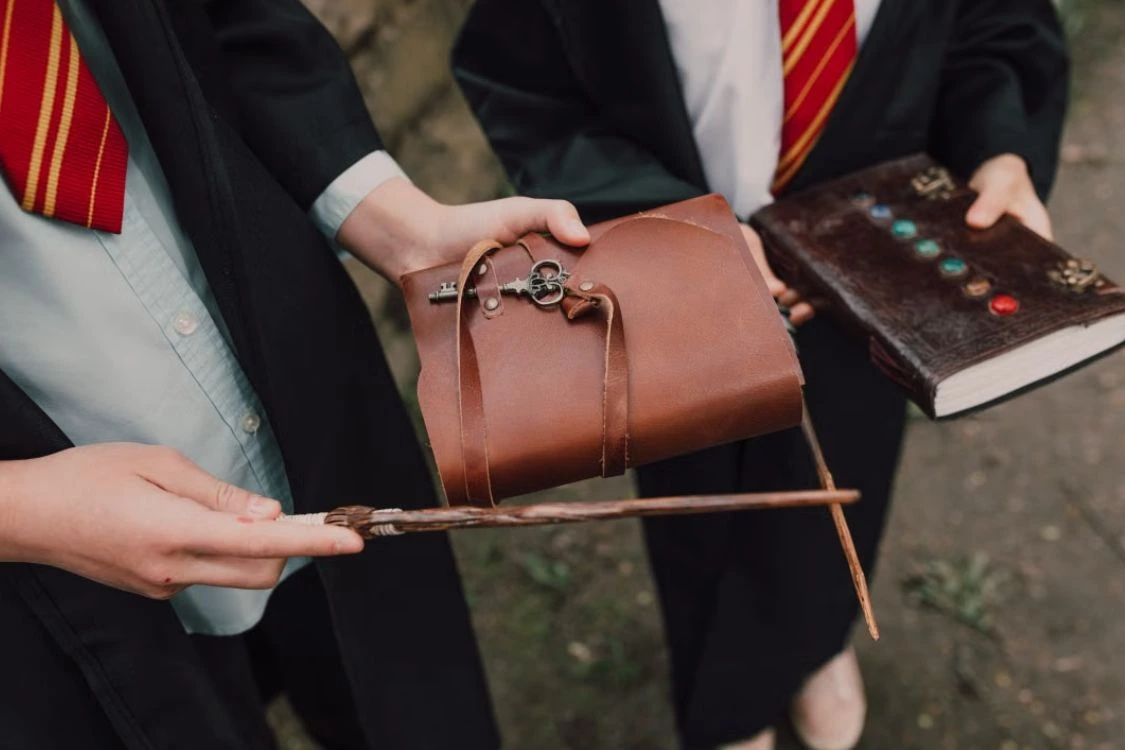
Choosing the right fantasy book for kids can make a lasting difference in a child’s reading journey. Fantasy stories transport young readers into magical worlds filled with unforgettable characters, exciting adventures, and valuable life lessons. However, not every fantasy book is suitable for every age group. A story that captivates an older child may be too complex for a younger reader, while a book designed for beginners may not keep older children engaged.
Parents, teachers, and caregivers can help children develop a lifelong love of reading by selecting books that match their age, reading ability, and personal interests. This guide explains how to choose the best fantasy book for kids at every stage of childhood.
Why Age Matters When Choosing a Fantasy Book
Children develop reading skills and emotional understanding at different stages. Selecting age-appropriate fantasy books ensures they can follow the story, understand the themes, and enjoy the adventure without feeling overwhelmed.
Books that match a child’s developmental stage help:
- Build reading confidence
- Improve vocabulary naturally
- Encourage imagination
- Develop empathy through relatable characters
- Create positive reading habits
When children enjoy what they read, they are more likely to continue exploring new books independently.
Fantasy Books for Ages 3–5
Young children are just beginning their reading journey. At this stage, books should focus on colorful illustrations, simple language, and gentle adventures.
Look for books that include:
- Bright and engaging artwork
- Simple magical creatures
- Repetitive sentence patterns
- Short chapters or picture-book formats
- Positive messages about kindness and friendship
Stories about friendly dragons, magical forests, talking animals, and fairy kingdoms work especially well for preschool readers.
Reading together also strengthens family bonds and helps children understand new words through conversation.
Fantasy Books for Ages 6–8
As children become independent readers, they are ready for longer stories with more detailed plots. They enjoy following characters on exciting adventures while solving simple mysteries.
Good fantasy books for this age should feature:
- Easy-to-follow chapters
- Memorable heroes
- Magical schools or enchanted lands
- Lighthearted humor
- Clear lessons about courage and honesty
Books in this age range help children transition from picture books to chapter books while maintaining their excitement about reading.
Fantasy Books for Ages 9–12
Middle-grade readers often seek deeper adventures and more complex characters. They enjoy stories where heroes face challenges, solve problems, and grow throughout the journey.
When selecting a fantasy book for kids in this age group, consider books that offer:
- Rich world-building
- Strong friendships
- Exciting quests
- Creative magic systems
- Positive role models
Children between nine and twelve often become emotionally invested in characters and eagerly follow longer book series.
Match the Book to Your Child’s Interests
Age recommendations provide a useful starting point, but every child has unique interests.
Some children love dragons, while others prefer magical animals, enchanted kingdoms, pirates, or mythical creatures. Choosing stories based on these preferences keeps them engaged from beginning to end.
Ask questions like:
- Do they enjoy adventure?
- Are they fascinated by magic?
- Do they like funny or serious stories?
- Would they enjoy solving magical mysteries?
The more closely a book matches a child’s interests, the more enjoyable the reading experience becomes.
Consider Reading Level
Reading level matters just as much as age.
If a book is too difficult, children may become frustrated. If it is too easy, they may lose interest quickly.
A good fantasy book should introduce new vocabulary without making the story difficult to understand.
Parents can encourage children by allowing them to read independently while offering help with unfamiliar words when needed.
Look for Positive Themes
Fantasy stories often teach valuable life lessons through magical adventures.
Choose books that encourage:
- Kindness
- Teamwork
- Bravery
- Honesty
- Respect
- Perseverance
These themes help children connect fictional adventures with real-life situations.
Stories where characters overcome challenges through determination rather than perfection can inspire confidence in young readers.
Encourage Diverse Characters and Worlds
Fantasy literature has become increasingly diverse, introducing children to characters from different cultures, backgrounds, and traditions.
Reading stories with diverse heroes broadens children’s understanding of the world while helping them appreciate different perspectives.
A variety of magical settings and unique characters also keeps reading fresh and exciting.
Don’t Judge a Book Only by Its Cover
Beautiful cover art often attracts children, but parents should also read the book description, age recommendation, and reviews before making a choice.
Consider:
- Story complexity
- Chapter length
- Vocabulary
- Themes
- Overall message
A well-written story will provide entertainment while supporting a child’s learning and emotional growth.
Series Can Build Reading Habits
Many children enjoy continuing adventures with familiar characters.
Fantasy series encourage consistent reading because each new book builds upon the previous adventure.
Benefits of series include:
- Increased reading confidence
- Familiar characters
- Stronger emotional connection
- Better vocabulary development
- Motivation to finish multiple books
Children who discover a favorite fantasy series often develop lasting reading habits.
Read Together Whenever Possible
Even older children benefit from shared reading experiences.
Reading together allows parents to:
- Discuss characters
- Explain difficult words
- Predict story outcomes
- Explore important themes
- Make reading enjoyable
These conversations improve comprehension while creating meaningful family memories.
Balance Entertainment and Learning
Fantasy books should first and foremost be enjoyable. However, many also support language development, creativity, and problem-solving skills.
Well-written fantasy stories naturally introduce:
- New vocabulary
- Critical thinking
- Emotional intelligence
- Creative imagination
- Moral decision-making
Children often learn best when they are fully engaged in an exciting story.
Let Children Choose Sometimes
While guidance is important, children should also have opportunities to choose books themselves.
Giving them ownership over their reading encourages independence and builds confidence.
Visits to libraries and bookstores can become exciting adventures where children explore new magical worlds based on their own interests.
Recommended Qualities of a Great Fantasy Book for Kids
When choosing a fantasy book, look for these qualities:
- Age-appropriate language
- Imaginative storytelling
- Positive life lessons
- Memorable characters
- Exciting adventures
- Strong friendships
- Creative magical settings
- Encouraging messages
- Engaging illustrations for younger readers
- A satisfying ending
Books with these qualities are more likely to inspire children to become lifelong readers.
Final Thoughts
Choosing the right fantasy book for kids is about finding stories that match a child’s age, reading ability, and imagination. The best fantasy books entertain while helping young readers develop confidence, creativity, empathy, and a lifelong love of literature.
Whether your child is discovering magical adventures for the first time or exploring epic fantasy worlds as an older reader, selecting age-appropriate stories ensures every reading experience is both enjoyable and meaningful.
As Melissa Lovelace beautifully demonstrates through imaginative storytelling, the right fantasy book can spark curiosity, encourage creativity, and inspire children to dream beyond the ordinary. A carefully chosen fantasy adventure today may become the beginning of a lifelong passion for reading.