Safe and Respectful Professional Hoarder Cleanouts
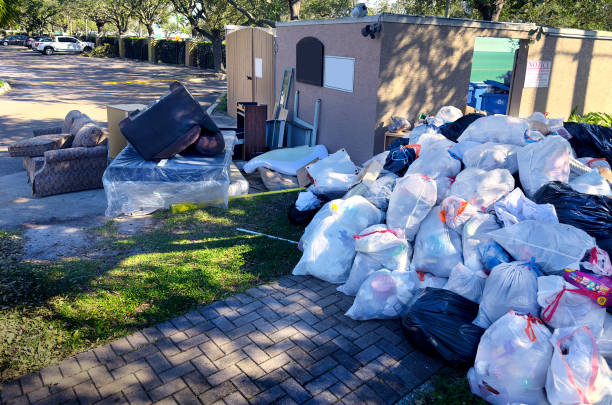
Hoarding disorder is a complex condition that affects millions of individuals and their families, creating overwhelming clutter that can compromise safety, health, and quality of life. The accumulation of excessive belongings often makes living spaces unusable, blocking exits, creating fire hazards, and attracting pests. Addressing a hoarding situation requires more than just removal; it demands compassion, patience, and a non-judgmental approach that respects the individual’s dignity. Professional cleanout services provide the expertise needed to restore order while supporting the emotional well-being of everyone involved. The goal is to create a safe, functional living environment without causing additional trauma or distress. For sensitive and professional assistance, Explicit Junk Service has earned a reputation for handling these challenging situations with empathy and skill.
Understanding Hoarding Disorder
Hoarding disorder is recognized as a mental health condition characterized by persistent difficulty discarding possessions, regardless of their actual value. Individuals with hoarding tendencies experience distress at the thought of parting with items, leading to accumulation that eventually overwhelms living spaces. This behavior often stems from anxiety, trauma, or obsessive-compulsive patterns that require understanding rather than criticism. Professional cleanout teams are trained to recognize these underlying factors and approach each situation with sensitivity. They work collaboratively with the individual and their support network to achieve positive outcomes.
The Impact on Health and Safety
Extreme clutter creates numerous hazards that can threaten the well-being of hoarders and their neighbors. Blocked exits and pathways increase the risk of injury during emergencies, while accumulated dust and mold contribute to respiratory problems. Pests such as rodents and insects thrive in cluttered environments, spreading disease and causing property damage. Professional cleanouts address these dangers by systematically removing debris and sanitizing affected areas. This comprehensive approach restores safety while reducing the stress of living in hazardous conditions.
Recognizing the Signs of Hoarding
Identifying hoarding early allows for timely intervention and support. Common signs include rooms filled with items that prevent normal use, difficulty organizing possessions, and strong emotional attachment to objects others might consider trash. Social isolation, financial problems, and deteriorating living conditions often accompany hoarding behavior. Family members and friends who notice these signs should approach the individual with kindness and encourage professional help. Non-judgmental support is essential for building trust and facilitating positive change.
The Cleanout Process Step by Step
Professional hoarder cleanouts follow a structured process designed to minimize stress while maximizing efficiency. Each project is customized to the individual’s needs, taking into account their emotional state and specific circumstances. Clear communication and collaboration are maintained throughout every phase.
Initial Assessment and Planning
The cleanout begins with a comprehensive assessment of the property to evaluate the extent of clutter and identify any safety hazards. Professional teams discuss goals with the individual and their family, establishing priorities and timelines. This planning phase ensures that everyone is on the same page and that the cleanout proceeds smoothly. Special considerations, such as preserving valuable items or accommodating the individual’s preferences, are addressed upfront.
Sorting and Categorization
Items are systematically sorted into categories: keep, donate, recycle, and dispose. The individual is encouraged to participate in this process as much as they are comfortable, maintaining a sense of control over their belongings. Professional teams guide the sorting with patience and respect, helping the individual make decisions without pressure. This collaborative approach reduces anxiety and builds trust throughout the cleanout.
Cleaning and Sanitization
After items are removed, the property undergoes thorough cleaning and sanitization to eliminate odors, pests, and health hazards. Surfaces are scrubbed, carpets are cleaned or replaced, and ventilation systems are inspected. This restorative phase transforms the space into a safe, comfortable living environment. The result is a fresh start that supports the individual’s journey toward healthier habits.
Emotional Support During Cleanouts
Hoarding cleanouts are emotionally intense experiences that require ongoing support and understanding. Individuals may experience grief, shame, or anxiety as their possessions are removed, even when the items are not useful. Professional teams are trained to provide compassionate reassurance throughout the process, validating the individual’s feelings while maintaining progress. This emotional support is critical for successful outcomes.
Working with Family Members
Family members often play a vital role in hoarder cleanouts, providing encouragement and practical assistance. However, they may also experience frustration, worry, or conflict regarding the situation. Professional teams facilitate communication between family members, helping them work together toward shared goals. Mediation and guidance reduce tension and create a supportive environment for everyone involved.
Coordinating with Mental Health Professionals
In many cases, hoarder cleanouts are most successful when coordinated with mental health professionals who address the underlying causes of the behavior. Therapists and counselors can provide ongoing support, helping individuals develop coping strategies and maintain their living spaces after the cleanout. Professional cleanout services often collaborate with these providers to ensure holistic care. This integrated approach addresses both the physical and emotional aspects of hoarding.
Health and Safety Protocols
Hoarding environments often contain biohazards, allergens, and structural risks that require specialized handling. Professional teams follow strict safety protocols to protect themselves and the property’s occupants during cleanouts. Personal protective equipment, proper ventilation, and safe disposal methods are standard practices.
Biohazard and Waste Management
Accumulated waste in hoarding situations may include spoiled food, animal feces, mold, and other biohazards that pose serious health risks. Professional teams use appropriate containment and disposal methods to eliminate these hazards safely. Surfaces are disinfected to remove bacteria and allergens, creating a healthier environment. This meticulous attention to safety protects both the cleanout crew and the individual returning to the property.
Structural Integrity and Accessibility
Extreme clutter can conceal structural damage, such as weakened floors, water leaks, or electrical issues. Professional teams assess these risks during the cleanout and coordinate with contractors if repairs are needed. Ensuring the property is structurally sound is essential for the individual’s long-term safety. Comprehensive inspections identify issues that might otherwise go unnoticed.
Long-Term Strategies for Success
Sustainable change requires more than a one-time cleanout; individuals need ongoing support to maintain their living spaces. Professional teams provide guidance and resources to help hoarders develop healthier habits and prevent relapse.
Organizational Systems and Habits
Establishing organizational systems tailored to the individual’s needs makes it easier to maintain order. Simple practices like regular decluttering, designated storage areas, and daily clean-up routines create lasting change. Professional teams offer practical tips and recommendations based on their experience. These strategies empower individuals to take control of their environment and build confidence.
Follow-Up Support and Resources
Many cleanout services offer follow-up visits or check-ins to monitor progress and provide additional assistance. Connecting individuals with community resources, support groups, and counseling services extends the impact of the cleanout. Ongoing support reinforces positive behaviors and helps individuals stay on track. This commitment to long-term success sets professional services apart.
Frequently Asked Questions
How long does a hoarder cleanout typically take?
Timeframes vary based on property size and clutter level, ranging from days to weeks.
Can I stay in my home during the cleanout?
It depends on safety conditions; professionals will advise based on your situation.
What happens to my belongings during the cleanout?
Items are sorted into keep, donate, recycle, or dispose categories with your input.
Are cleanout services covered by insurance?
Some policies may cover cleanouts; check with your insurance provider for details.
Do you work with therapists or counselors?
Yes, many services coordinate with mental health professionals for comprehensive support.
Conclusion
In conclusion, professional hoarder cleanouts in Baytown, TX provide safe, respectful, and compassionate solutions for individuals and families facing overwhelming clutter. Expert teams handle every aspect of the process, from sorting to cleaning, with sensitivity and professionalism. They prioritize health, safety, and emotional well-being while restoring functional living spaces. Choosing trusted support creates a foundation for lasting positive change and improved quality of life. For caring and thorough hoarder cleanouts, trust hoarder cleanouts Baytown, TX to help you or your loved one reclaim peace of mind.