Automatic Transmission Fluids and Heat Stability Explained
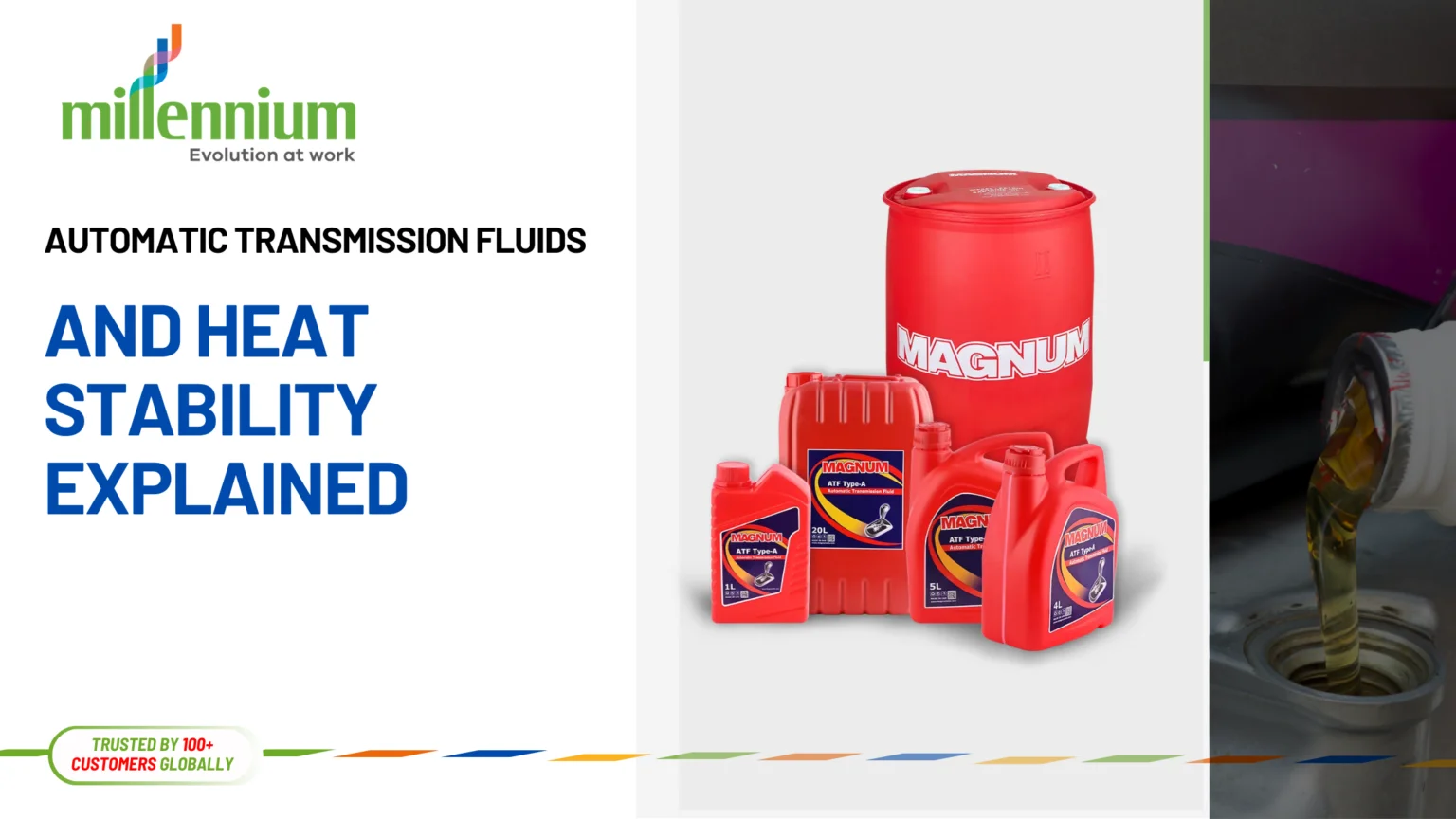
Automatic transmissions are designed to operate under demanding conditions, where constant gear changes, friction, and heavy loads generate significant amounts of heat. To ensure reliable performance, the transmission relies on a specially formulated fluid that not only lubricates components but also transfers power and controls hydraulic functions. One of the most important characteristics of modern transmission fluid is ATF temperature stability, which allows the fluid to maintain its protective qualities even when exposed to extreme temperatures. Choosing a premium Dexron III transmission fluid helps safeguard the transmission from excessive wear, overheating, and performance loss, making it an essential part of vehicle maintenance.
What Does ATF Do Inside a Transmission?
Automatic Transmission Fluid (ATF) is a multifunctional lubricant that plays a central role in the operation of an automatic transmission. Unlike engine oil, ATF is responsible for much more than lubrication.
Inside the transmission, ATF performs several important tasks simultaneously. It transmits hydraulic pressure required for shifting gears, lubricates moving components, reduces friction, dissipates heat, protects metal surfaces against corrosion, and cleans internal parts by suspending contaminants until they are captured by the transmission filter.
Because every gear shift depends on fluid pressure, the quality of the ATF directly influences how smoothly the transmission performs. Fluids with superior ATF temperature stability continue to provide consistent hydraulic performance even when operating temperatures fluctuate, ensuring responsive gear engagement and improved driving comfort.
Why Heat Is the Biggest Enemy of ATF
Heat is an unavoidable by-product of transmission operation, but excessive temperatures can significantly reduce the effectiveness of transmission fluid. During normal driving, the transmission generates heat through friction between gears, clutches, and hydraulic components. Challenging conditions such as towing, climbing steep roads, prolonged traffic congestion, or driving in hot climates can increase temperatures even further.
As heat builds up, transmission fluid gradually loses its ability to lubricate and cool internal components. High temperatures accelerate oxidation, causing the fluid to darken, thicken, and form deposits that restrict hydraulic passages. Over time, this leads to slower gear shifts, increased friction, and accelerated wear of expensive transmission parts.
Selecting a high-quality Dexron III transmission fluid with excellent thermal resistance helps delay oxidation, maintain fluid integrity, and extend the service life of the transmission.
Temperature Resistance and Viscosity Stability
One of the defining characteristics of premium automatic transmission fluid is its ability to maintain stable viscosity regardless of operating temperature. Viscosity refers to the fluid’s thickness and flow characteristics, which directly affect lubrication and hydraulic pressure.
A fluid that becomes too thin under high temperatures may fail to provide adequate lubrication, increasing wear between moving parts. On the other hand, a fluid that becomes excessively thick during cold starts may circulate slowly, causing delayed or rough gear shifts.
Excellent ATF temperature stability ensures that the transmission fluid remains within its intended viscosity range across a wide variety of driving conditions. This stability delivers multiple benefits, including:
- Consistent hydraulic pressure
- Reliable clutch engagement
- Reduced mechanical wear
- Improved cooling efficiency
- Smooth shifting performance
- Better protection under heavy loads
Premium Dexron III transmission fluid is formulated using carefully selected base oils and advanced additives that resist thermal breakdown while maintaining optimal flow characteristics.
Benefits of MAGNUM Dexron III ATF
MAGNUM Dexron III ATF is engineered to provide dependable protection for automatic transmissions requiring Dexron III performance standards. Its advanced formulation is designed to perform consistently in both everyday driving and demanding operating environments.
Key advantages include:
- Excellent ATF temperature stability for dependable high-temperature performance
- Strong resistance to oxidation and sludge formation
- Smooth and precise gear shifting
- Superior protection against wear and friction
- Excellent corrosion and rust prevention
- Stable viscosity across varying temperatures
- Effective control of foam formation
- Long-lasting lubrication for critical transmission components
MAGNUM Dexron III transmission fluid also helps maintain cleaner internal transmission surfaces, allowing hydraulic systems and valves to function more efficiently throughout the fluid’s service life.
How Heat Stability Improves Transmission Performance
Heat stability has a direct influence on transmission efficiency and reliability. When transmission fluid retains its physical and chemical properties despite high temperatures, the entire transmission system benefits.
A thermally stable ATF provides:
Reliable Hydraulic Operation
Stable fluid characteristics ensure that hydraulic circuits deliver the precise pressure needed for accurate gear selection.
Lower Internal Friction
Proper lubrication reduces resistance between moving components, helping minimize wear and energy loss.
Improved Component Protection
Heat-resistant additives continue protecting gears, bearings, seals, and clutch packs, even under demanding driving conditions.
Reduced Deposit Formation
Stable fluids resist oxidation, helping keep transmission valves and passages clean for smoother operation.
Extended Transmission Service Life
Consistent ATF temperature stability reduces thermal stress on internal components, helping extend the lifespan of both the fluid and the transmission itself.
Common Causes of Excessive ATF Heat
Several factors contribute to higher-than-normal transmission temperatures. Identifying these conditions early helps prevent premature fluid degradation.
Some of the most common causes include:
- Continuous stop-and-go driving
- Heavy towing or hauling
- Driving on steep inclines
- High outside temperatures
- Low transmission fluid levels
- Dirty or clogged transmission filters
- Restricted transmission cooling systems
- Aggressive acceleration and frequent hard braking
- Delayed transmission servicing
Using a premium Dexron III transmission fluid provides additional protection against these demanding operating conditions by maintaining reliable lubrication and cooling performance.
ATF Maintenance Tips for Heat Control
Preventive maintenance is essential for keeping transmission temperatures under control and preserving fluid performance.
Helpful maintenance practices include:
- Inspect ATF level regularly using the manufacturer’s recommended procedure.
- Replace transmission fluid at the specified service interval.
- Always use the recommended Dexron III transmission fluid for compatible transmissions.
- Repair transmission leaks promptly to prevent low fluid levels.
- Ensure the transmission cooler is clean and operating efficiently.
- Avoid overloading the vehicle beyond its towing capacity.
- Pay attention to signs such as delayed shifting, unusual noises, or overheating.
- Schedule professional transmission inspections during routine vehicle servicing.
Maintaining clean, high-quality ATF with strong ATF temperature stability significantly reduces the likelihood of overheating and costly transmission repairs.
Conclusion
Heat management is one of the most important factors in maintaining the health and reliability of an automatic transmission. Since transmission fluid performs lubrication, cooling, hydraulic control, and component protection simultaneously, its ability to withstand extreme temperatures directly affects overall performance. A premium Dexron III transmission fluid with outstanding ATF temperature stability helps maintain smooth shifting, reduces wear, resists oxidation, and protects vital transmission components under demanding operating conditions. By combining quality transmission fluid with regular maintenance, vehicle owners can improve transmission efficiency, extend service life, and enjoy dependable performance over the long term.