Purchase Order Management Software for Better Procurement
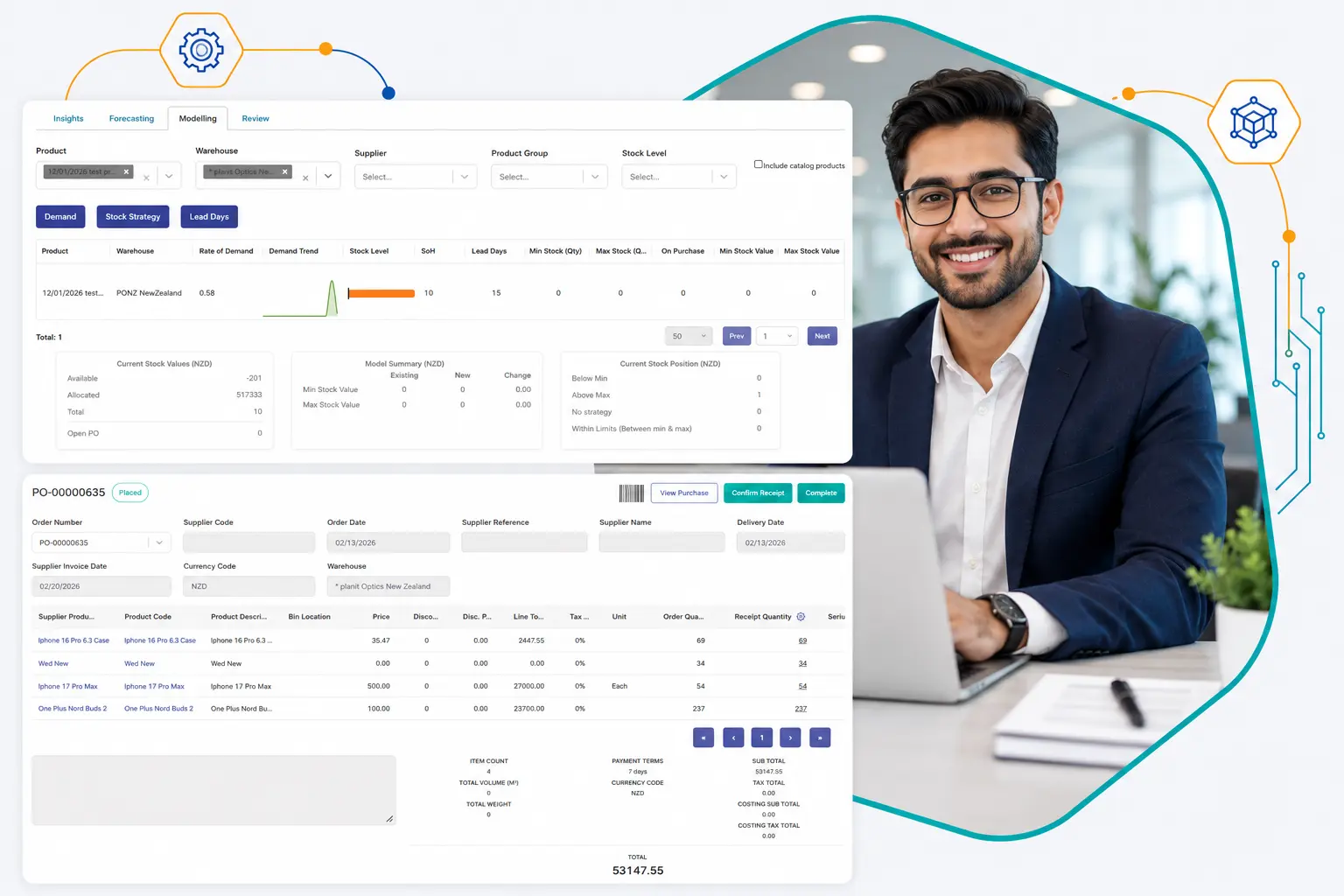
Efficient procurement is essential for businesses that need to control spending, maintain healthy inventory levels, and build dependable supplier relationships. As purchasing activities grow, managing purchase orders through spreadsheets, emails, and paper records can become difficult. Missing approvals, duplicate entries, delayed deliveries, and limited visibility can create unnecessary operational pressure. Purchase Order Management Software provides a structured digital approach to creating, approving, tracking, and managing purchase orders while keeping procurement information organized.
What Is Purchase Order Management Software?
Purchase Order Management Software is a digital solution designed to manage the complete purchase order lifecycle. Instead of maintaining separate records across departments, businesses can centralize purchase requests, supplier details, purchase orders, approvals, receiving information, and related records in one system.
Modern PO management solutions can support processes such as:
- Creating purchase orders from approved purchase requests
- Managing supplier and purchasing information
- Routing orders through predefined approval workflows
- Tracking order status and expected deliveries
- Updating or amending purchase orders
- Monitoring purchasing costs and budgets
- Maintaining historical purchase records
- Connecting purchasing information with inventory and financial processes
This centralized approach helps procurement teams reduce repetitive administrative work and maintain greater control over purchasing activities.
Why Organized Purchase Order Management Matters
A purchase order is more than a document sent to a supplier. It establishes a clear record of what a business intends to purchase, including quantities, pricing, delivery requirements, and other relevant terms. When these records are poorly managed, procurement teams may struggle to understand which orders are pending, approved, received, or overdue.
Research from Sage highlights common problems associated with manual purchasing processes, including inconsistent order tracking, approval bottlenecks, and limited financial visibility.
A structured digital workflow helps businesses bring consistency to purchasing and gives authorized employees better visibility into procurement activities.
Key Features That Improve Procurement Efficiency
The right software should simplify purchasing without making the workflow unnecessarily complicated. Important capabilities can include:
Automated Purchase Order Creation
Instead of repeatedly entering the same information, teams can create orders using standardized templates or convert approved purchase requests into purchase orders. This reduces repetitive data entry and helps maintain consistent documentation.
Approval Workflow Management
Purchases often require approval based on department, value, budget, or business policy. Automated approval workflows can route requests to the appropriate person and reduce delays caused by scattered email communication.
Real-Time Order Tracking
Procurement teams need to know what is happening after an order is issued. A centralized system can provide visibility into order stages such as draft, approval, issued, receiving, billing, or cancellation.
Supplier Management
Maintaining accurate supplier information makes it easier to review purchasing history, compare vendors, monitor order performance, and maintain better communication with suppliers.
Budget and Spending Control
Purchase order software can help organizations monitor committed spending before purchases move forward. Approval controls can also support internal purchasing policies and reduce unauthorized buying.
Reporting and Analytics
Procurement data becomes more useful when it can be converted into actionable information. Reports can help businesses review purchasing trends, supplier performance, order volumes, and spending patterns.
Benefits of Purchase Order Management Software
Implementing a centralized PO system can deliver practical improvements across procurement and operations.
1. Fewer Purchasing Errors
Standardized order creation reduces the likelihood of incorrect quantities, prices, supplier details, or product information being entered manually.
2. Faster Approval Cycles
Digital workflows make it easier for authorized employees to review and approve purchase requests without searching through long email chains.
3. Better Spending Visibility
Procurement managers can gain a clearer view of planned and completed purchases, helping them make more informed budget decisions.
4. Improved Supplier Relationships
Accurate purchase orders provide suppliers with clearer instructions and reduce misunderstandings about products, quantities, pricing, and delivery expectations.
5. Stronger Inventory Coordination
Purchase orders are closely connected with inventory availability. Better visibility into incoming purchases can help businesses plan stock replenishment and avoid unnecessary over-ordering.
6. Easier Auditing and Record Keeping
Centralized purchase records create a clearer history of procurement activities. Audit trails can help organizations understand who created, approved, changed, or processed an order.
Procurement Automation Is Becoming More Important
Digital transformation is increasingly influencing procurement operations. A 2025 KPMG procurement outlook reported that more than 80% of surveyed respondents considered procurement-process automation one of the most beneficial aspects of digital transformation.
IBM research also found that 55% of surveyed organizations were using AI for purchase order management, showing how technology is becoming increasingly relevant to modern procurement workflows.
These figures demonstrate a broader shift toward automated, data-driven procurement rather than relying exclusively on manual processes.
How to Choose the Right PO Management Solution
Every business has different purchasing requirements, so software should be selected according to actual operational needs. Before implementation, consider:
- Ease of creating and managing purchase orders
- Flexible approval workflows
- Supplier and purchasing record management
- Order tracking and notifications
- Inventory integration
- Reporting and analytics
- User access controls
- Scalability for future business growth
- Integration with existing business systems
- Mobile or remote accessibility where required
A solution should improve the existing procurement process rather than simply digitize unnecessary complexity.
Make Procurement More Organized with PlanIT
Managing purchase orders efficiently can give businesses better control over purchasing, supplier communication, inventory planning, and operational spending. With Purchase Order Management Software, organizations can replace disconnected processes with a centralized workflow that improves visibility and supports more consistent procurement decisions.
PlanIT helps businesses streamline inventory and purchasing operations with technology designed around practical business requirements. If your procurement team is spending too much time creating orders, following up on approvals, checking supplier information, or tracking incoming purchases, it may be time to move toward a more organized digital workflow.
Connect with PlanIT to explore a smarter approach to purchase order and inventory management.
- Phone: +91-9958474631
- Email: sales@plan-it.pro
Visit: https://overlypost.com/